Smart Ways You Can Transform Small Outdoor Spaces
Thaddeus Crowley September 26, 2025
Discover smart solutions for making the most of small outdoor spaces in any home or garden. This guide explores creative gardening, storage ideas, functional furniture choices, and design tricks to maximize comfort and beauty. Learn how to turn any compact patio or balcony into a welcoming, stylish retreat using practical strategies.
Creative Uses for Vertical Gardening
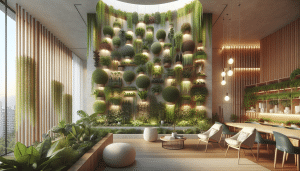
Maximizing the potential of small outdoor spaces often starts with vertical gardening. By growing upward instead of outward, residents can cultivate a variety of plants on trellises, wall planters, and even tiered shelves. Herbs, flowers, and edible greens thrive in stacked containers or mounted pockets, transforming bare walls into lush living tapestries. This not only adds visual interest but also helps purify the surrounding air and supports local pollinators, making the area feel vibrant and alive.
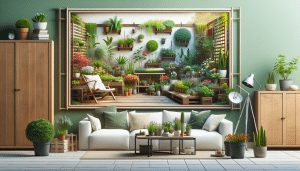
Innovative planters and modular systems are widely available, allowing flexibility regardless of the layout. The strategic use of climbing plants, such as ivy or jasmine, brings a sense of privacy and cozy enclosure, which is especially valuable in urban garden settings. Many gardeners appreciate how vertical arrangements can separate spaces and create zones for lounging or dining without cluttering walkways or eating up essential square footage.
Starting with basic structures like ladder planters or hanging baskets is accessible for beginners. There is a learning curve to keeping containers hydrated and fed, but with regular care, vertical gardening becomes both a rewarding hobby and a practical design solution. Utilizing these systems turns blank fences or balconies into flourishing green spaces, enabling home dwellers to experience nature’s benefits even on the smallest plots.
Functional Furniture for Compact Patios
Small outdoor areas require furniture that is not only stylish but also space-efficient. Foldable tables, stackable chairs, and bench seating with built-in storage allow flexibility when entertaining or relaxing. Select pieces designed for multi-functional use—such as ottomans that double as storage bins or tables with collapsible leaves—to keep the layout uncluttered. Comfort is not sacrificed with smart design choices, and these selections help maximize every available inch.
Modular furniture systems are particularly well-suited for compact spaces, enabling residents to reconfigure the area for different occasions. Weather-resistant materials such as teak, powder-coated steel, or recycled plastic promise durability even in exposed spaces. Cushions and soft furnishings in vibrant colors can enliven the area while remaining easy to stow when extra room is needed or during inclement weather.
Choosing furniture with clean lines and open frameworks helps maintain a sense of openness. Glazed surfaces or transparent materials, like acrylic and glass, visually expand the area while providing practical dining or resting solutions. Functional furniture serves as the foundation for productive outdoor living, whether the space is used for morning coffee, group meals, or quiet reflection surrounded by greenery.
Smart Storage Solutions for Outdoor Organization
Clutter can quickly take over limited outdoor spaces, making organization a top priority. Hidden storage options, such as benches with lift-up seats or deck boxes, keep gardening tools, cushions, and seasonal items neatly stowed away. Wall-mounted racks and hooks extend storage vertically, freeing up floor space for movement and activities. The integration of smart design means that everything from barbeque utensils to children’s playthings has a designated place, reducing stress and creating a more tranquil environment.
Shelving units made of weatherproof material can add structure to garden walls or fences. These shelves are suitable for showcasing decorative pots, storing flowerpots, or arranging books for outdoor reading nooks. Employing baskets and bins brings versatility; items can be quickly moved or rearranged as needs change. Storage that blends with the garden décor does not disrupt the visual harmony and adds to the overall appeal of the space.
Planning storage early ensures a clutter-free setup throughout the seasons. Consider dual-purpose items like planters that hide garden hoses or tables with built-in cooler compartments. By anticipating storage requirements at the outset, outdoor spaces remain functional, attractive, and ready for impromptu gatherings or restful solitude. Smart storage transforms even the smallest area into a well-organized haven.
Lighting and Decorative Accents Enhance Small Spaces
The right lighting can make even limited outdoor areas inviting well into the evening. Clusters of solar-powered string lights, LED lanterns, or low-voltage spotlights create ambiance and extend usable hours. Pathway lighting helps define walkways or highlight garden features without dominating the environment. Decorative elements, such as weatherproof rugs or artistic wind chimes, bring personal flair and vibrancy to patios or courtyards.
Color and texture play key roles in crafting a pleasing outdoor aesthetic. Lightweight textiles, such as outdoor cushions and throws, are easy to switch out depending on the season. Patterned tiles or painted pots introduce pops of color, brightening corners and drawing the eye upward—an important trick in small-space gardening. Integrating reflective surfaces, like mirrors or metallic ornaments, can amplify available light and create an illusion of depth.
Personalizing a space with small touches makes it truly feel like an extension of the home. DIY projects such as repurposed furniture, homemade planters, or mosaic stepping stones add uniqueness and encourage creativity. Over time, the collection of unique objects and soft lighting fosters a welcoming atmosphere for relaxing or entertaining, no matter the size of the space available.
Low-Maintenance Plants for Urban Retreats
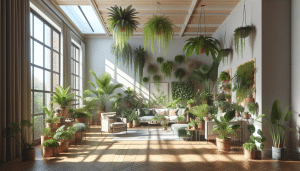
Busy lifestyles call for low-maintenance plant choices that thrive in confined areas. Succulents, dwarf evergreens, and hardy perennials offer year-round interest without demanding constant attention. Ornamental grasses or dwarf shrubs add height and dimension, producing visual impact while requiring minimal pruning or watering. Grouping similar plants together simplifies care and streamlines maintenance routines, so more time is spent enjoying the garden, not tending to it.
Potted plants offer flexibility and mobility for renters or those who redesign their gardens with each season. Large containers serve as focal points, and groupings of small pots allow for easy changes as light and weather conditions shift. Incorporating edible plants like herbs or cherry tomatoes provides fresh ingredients for cooking and the satisfaction of homegrown harvests—even in modest surroundings.
Selecting the right varieties for local climate conditions ensures garden success. Many plant nurseries or extension offices provide lists of suitable options for various environments and sunlight exposures. Utilizing mulch and self-watering containers can further reduce the need for daily care. Low-maintenance gardening does not mean sacrificing beauty; rather, it means enjoying green spaces that are practical and sustainable over the long term.
Design Tricks for Maximizing Small Outdoor Areas
Professional designers suggest starting with a clear vision and measured plan for any small outdoor space. Defining zones for dining, relaxing, or gardening helps prevent the area from feeling chaotic. Strategic placement of screens, lattice, or tall planters introduces a sense of depth, making tight quarters appear much larger. Thoughtfully chosen focal points—like a bold sculpture or water feature—anchor the design and elevate the experience of being outside.
Color palettes play a major role in how expansive a space appears. Light, cool tones can visually open up a terrace or balcony, while clustering furniture instead of scattering it keeps walkways accessible. Try to keep a consistent style with planters, lighting, and soft furnishings for visual continuity. Mirrors, placed thoughtfully to reflect greenery or sky, work wonders for making spaces appear double their actual size.
Layering elements—such as hanging baskets above container gardens or installing a pergola with trailing vines—draws the eye upward and leverages the vertical plane. Using consistent ground materials, like decking or stone tiles, creates flow and continuity. The key is to balance utility and beauty, ensuring each addition enhances rather than overwhelms. With these tricks, even the smallest patio can become a standout sanctuary.
References
1. University of Illinois Extension. (n.d.). Creating a Vertical Garden. Retrieved from https://web.extension.illinois.edu/veggies/vertical.cfm
2. Better Homes & Gardens. (n.d.). Small Space Outdoor Furniture Ideas. Retrieved from https://www.bhg.com/home-improvement/outdoor/patio/small-space-outdoor-furniture-ideas/
3. Royal Horticultural Society. (n.d.). Storage Ideas and Solutions. Retrieved from https://www.rhs.org.uk/advice/profile?pid=944
4. The Spruce. (n.d.). Outdoor Lighting for Small Spaces. Retrieved from https://www.thespruce.com/outdoor-lighting-for-small-spaces-4151228
5. PennState Extension. (n.d.). Choosing Low Maintenance Plants. Retrieved from https://extension.psu.edu/choosing-low-maintenance-plants-for-containers
6. Garden Design. (n.d.). Tips for Small Gardens. Retrieved from https://www.gardendesign.com/small-gardens/design-ideas.html

 Interior Design Ideas That Maximize Natural Light