Interior Design Ideas That Maximize Natural Light
Thaddeus Crowley September 26, 2025
Interior design ideas that maximize natural light are not only about creating a brighter home but also improving your mood, productivity, and overall well-being. Natural light has been shown to have significant psychological and physical benefits. From reducing stress to boosting energy, allowing more natural light into your home can transform any space.
According to Architectural Digest, maximizing natural light in your home can also improve energy efficiency, reducing the need for artificial lighting during the day (Architectural Digest, 2022). In this article, we’ll explore various design strategies to let more sunlight into your living spaces, from choosing the right window treatments to using light colors and reflective surfaces.
1. Use Light and Airy Window Treatments
The right window treatments can make a big difference in how much natural light enters your home. Heavy drapes or thick blinds can block out sunlight, making rooms feel dark and closed off. Opt for light and airy window treatments that allow sunlight to filter through while still providing some privacy.
Window treatment ideas for maximizing natural light:
- Sheer curtains: Sheer, light-colored curtains allow sunlight to pass through while softening the light for a pleasant glow.
- Roller shades: Opt for light-filtering roller shades that provide privacy without blocking natural light.
- Vertical blinds: Vertical blinds can be adjusted to control the amount of light entering the room while still offering flexibility.
According to House Beautiful, choosing the right window treatments can significantly increase the amount of light in a room without compromising on privacy or style (House Beautiful, 2022).
2. Incorporate Reflective Surfaces
Using reflective surfaces is one of the best ways to enhance the amount of natural light in your home. Mirrors, glass, and glossy finishes help bounce light around the room, making spaces feel brighter and more open.
Ideas for using reflective surfaces:
- Mirrors: Place large mirrors across from windows or light sources to reflect natural light throughout the room.
- Glass furniture: Consider glass tables, shelves, or cabinets to allow light to pass through, rather than obstructing it with solid surfaces.
- Glossy finishes: Use glossy paint or lacquered furniture to reflect light, especially in darker corners.
Elle Decor recommends using mirrors strategically in spaces where light is limited, such as hallways or rooms with small windows (Elle Decor, 2022).
3. Opt for Light and Neutral Color Schemes
Light and neutral colors can make a room feel larger and more airy, helping to reflect more natural light. Dark colors tend to absorb light, making rooms feel smaller and less open. Instead, choose colors that brighten up the space and enhance the natural light.
Color scheme ideas for maximizing natural light:
- Soft whites: White walls reflect light and create a fresh, open atmosphere.
- Pastels: Soft pastel colors, such as pale blue or light gray, add a touch of color while maintaining a light, airy feel.
- Light woods: Choose light wood finishes for furniture or flooring to keep the room feeling bright and inviting.
Better Homes & Gardens suggests that light colors make even smaller spaces feel more open and brighter, perfect for rooms that lack natural light (Better Homes & Gardens, 2022).
4. Use Glass or Transparent Furniture
Incorporating transparent or translucent furniture helps maintain the flow of natural light throughout the room. Glass tables, acrylic chairs, and other transparent pieces allow light to pass through, preventing dark corners and improving the overall brightness of the space.
Furniture ideas to enhance natural light:
- Glass coffee tables: Opt for glass or acrylic coffee tables that do not obstruct light.
- Lucite chairs: Clear chairs or stools keep the space feeling open and bright, without taking up visual space.
- Transparent shelving: Use glass shelves to avoid blocking light and maintain an open, airy look.
Architectural Digest points out that transparent furniture is ideal for creating a minimalist, light-filled aesthetic (Architectural Digest, 2022).
5. Maximize the Use of Skylights
Skylights are a wonderful way to bring more natural light into your home, especially in rooms that may not have large windows. A well-placed skylight can provide an influx of light, making even the darkest corners feel brighter.
Skylight installation tips:
- Choose the right location: Install skylights in rooms with limited windows, such as bathrooms, kitchens, or hallways, to enhance light.
- Consider solar tubes: If installing a full skylight isn’t feasible, consider solar tubes. These devices funnel natural light from the roof into your space, providing natural illumination without the need for large windows.
According to HGTV, skylights not only bring more light into your home but also improve energy efficiency by reducing the need for artificial lighting during the day (HGTV, 2022).
6. Open Up Your Floor Plan
An open floor plan allows natural light to flow freely through the space. When walls or heavy partitions separate rooms, light can be blocked from reaching the far corners. By opening up your space, you allow sunlight to reach more areas of the room.
Ideas for opening up your space:
- Knock down non-structural walls: If possible, remove walls or partitions that block natural light from flowing through the space.
- Use room dividers: If you need to separate spaces, opt for light, transparent dividers such as glass panels or curtains instead of solid walls.
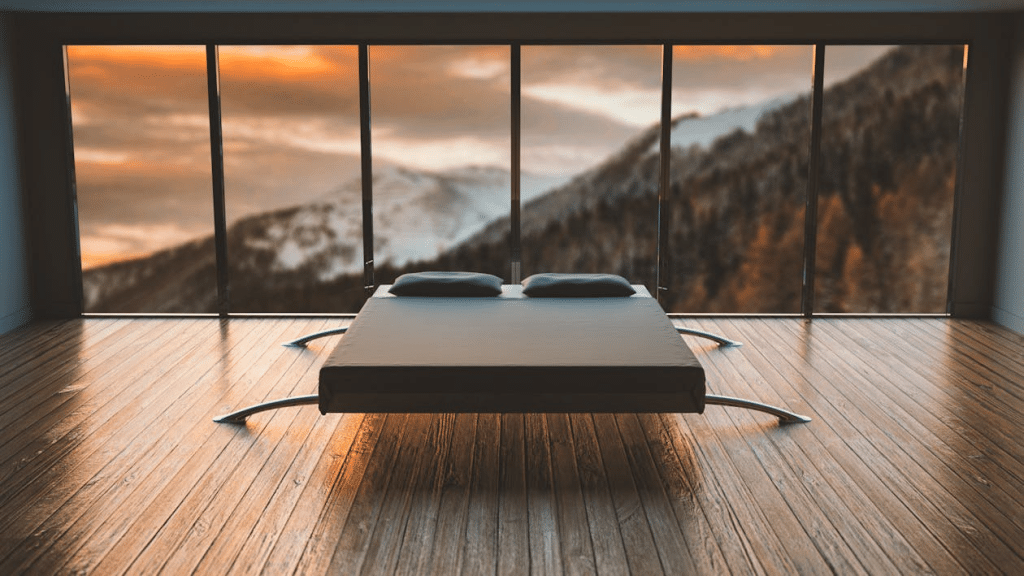
- Maximize large windows: Large, unobstructed windows allow light to fill the room, enhancing the openness of the space.
The Spruce recommends considering an open floor plan if you’re renovating your home or designing a new space to maximize the flow of natural light (The Spruce, 2022).
7. Strategic Window Placement
The placement and size of your windows play a significant role in how much natural light enters your home. Ensure your windows are placed in areas that receive the most sunlight, such as facing south or west, to take full advantage of daylight.
Tips for maximizing window placement:
- Install large windows: If possible, install larger windows in rooms where you want to increase natural light, such as living rooms or kitchens.
- Use window film: Consider window films that help diffuse light without sacrificing privacy.
- Add glass doors: Glass doors to patios, balconies, or gardens bring in more light while offering easy access to outdoor spaces.
Houzz suggests placing windows in areas that receive the most sunlight, such as south-facing walls, to maximize the benefits of natural light (Houzz, 2022).
Conclusion
Interior design ideas that maximize natural light can significantly transform the feel of your home. From using light window treatments and reflective surfaces to opting for lighter colors and strategically placing windows, there are many ways to enhance the brightness of your space. These design tips not only make your home feel more inviting but also improve your overall mood and productivity by allowing more sunlight to fill your living areas.
Start incorporating these ideas today to make your home brighter, more open, and energy-efficient. The natural light in your home can transform your everyday living experience in surprising and uplifting ways.
References
Architectural Digest. (2022). How to maximize natural light in your home. Retrieved from https://www.architecturaldigest.com
Better Homes & Gardens. (2022). How to use light colors to make a space feel brighter. Retrieved from https://www.bhg.com
House Beautiful. (2022). Choosing window treatments that let in natural light. Retrieved from https://www.housebeautiful.com
The Spruce. (2022). Maximizing light in small spaces with design tricks. Retrieved from https://www.thespruce.com

 How Startups Are Leveraging AI for Growth