You Can Transform Any Space With Indoor Plants
Thaddeus Crowley December 3, 2025
Discover how indoor plants can refresh any room. Explore simple tips for choosing, arranging, and caring for houseplants—even if you feel unsure where to start. Unlock the hidden benefits and style potential of greenery in your home while improving wellness and air quality.
The Surprising Benefits of Indoor Plants
Bringing nature inside may seem like a decorative trend, but adding indoor plants offers tangible benefits. These green companions do much more than beautify a room—they help purify the air, relieve stress, and boost mood. Many studies highlight how simple greenery can absorb toxins and release oxygen, providing a continuous cycle of fresh air (Source: https://www.epa.gov/indoor-air-quality-iaq/office-building-occupants-guide-indoor-air-quality). Plants such as peace lilies, snake plants, and spider plants are favored for their easy upkeep and impressive air-purifying abilities, making them suitable for anyone looking to enhance indoor air quality at home.
Aside from physical improvements, indoor plants can bring a touch of peace to your living environment. Green foliage has been shown to lower anxiety, encourage relaxation, and even improve productivity—particularly if you work from home or spend long hours indoors. Psychologists suggest the presence of plants may reduce fatigue and mental clutter, promoting a more positive atmosphere overall. For many, tending to houseplants also becomes a calming ritual, one that transforms daily routines into mindful moments of care and connection.
Research suggests that interacting with plants might have subtle wellness effects. Those who nurture houseplants, whether watering, trimming, or simply observing, experience gentle reminders to slow down and recharge. Plus, for individuals with limited outdoor space, cultivating indoor greenery restores a vital link to nature. Ultimately, these benefits make indoor plants an accessible, science-backed way to create a healthier, happier home workload (Source: https://www.ncbi.nlm.nih.gov/pmc/articles/PMC4419447/).
Choosing the Right Indoor Plants for Your Space
With so many plant varieties available, selecting the right ones for your home can feel overwhelming at first. Light, humidity, and available space all matter when matching plants to your environment. If you have a sun-drenched window, succulents or cacti thrive in bright, direct sunshine, while plants like pothos or ZZ plants tolerate shadier spots. Before making decisions, walk through your rooms at different times of day to note patterns of light—this helps ensure each plant receives the right conditions for healthy growth.
Certain houseplants, such as the jade plant, dracaena, and philodendron, adapt well to varied home climates and ask little in return. Hardy species like these are well-suited for beginners or those with less time for daily care. Meanwhile, plant lovers with a bit more experience might explore more delicate flowering varieties or those requiring extra humidity, such as ferns or orchids. Remember to consider the potential toxicity of some plants if you have pets or young children at home, as safety and comfort go hand in hand.
Choosing indoor plants can also become a creative adventure. Grouping several species with contrasting shapes, colors, or heights can produce an eye-catching display that fills an empty corner or brightens a bookshelf. Vertical gardens, hanging planters, and terrariums provide additional ways to make the most of every available niche, regardless of square footage. Ultimately, there’s no single ‘right’ plant—success often comes from experimenting until you discover which varieties thrive in your specific space. Find inspiration in garden guides or local plant shops, gathering ideas that speak to your own sense of style (Source: https://extension.psu.edu/indoor-plants).
Simple Indoor Plant Care for Longevity
Keeping houseplants alive is an often-cited challenge, but with a few basic habits, even plant novices can achieve success. The most common mistake is overwatering, which can suffocate roots or lead to fungal growth. Many indoor varieties—especially succulents—prefer a period of dryness between waterings. Check soil moisture by poking a finger just below the surface; only water when the top inch feels dry. Well-draining pots prevent soggy conditions and contribute to long-term plant health.
Light also plays a key role in caring for indoor greenery. Rotate your pots every week so all sides receive equal sunlight, preventing one-sided growth. Fertilizing isn’t always necessary, but feeding with diluted liquid fertilizer every few months can encourage robust leaves and flowering. Regularly dusting plant leaves keeps pores open, supports healthy photosynthesis, and prevents pests. When problems like yellowing leaves or dropped stems appear, it’s often due to either too much water or insufficient light—adjusting habits usually solves the issue.
For those with busy lifestyles, self-watering pots or hydroponic systems can help automate care. These designs deliver moisture directly to roots when needed, reducing the risk of overwatering and minimizing maintenance. Set reminders to check in on your plants, and celebrate small victories like new shoots or blooms. With some observation and small adjustments, keeping plants thriving indoors becomes rewarding and manageable—no green thumb required (Source: https://www.rhs.org.uk/plants/popular/houseplants/care).
Creative Ideas to Display Indoor Plants
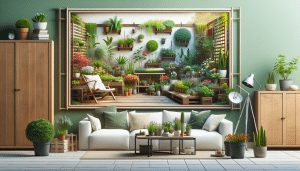
Once you’ve chosen and cared for your houseplants, creative placement can elevate both their health and your home’s style. Use shelving, windowsills, or plant stands to showcase greenery at various heights, adding visual interest to any room. Hanging baskets and macramé holders enable plants to thrive in unused vertical spaces while bringing a playful touch to décor. Thoughtfully clustered plants can become living centerpieces or anchor a reading nook with lush, textured foliage.
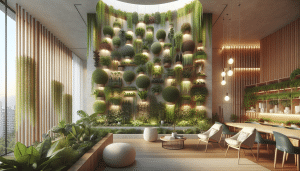
Mixing pots of different materials, shapes, and colors gives each plant a unique personality. Ceramic, terracotta, and woven baskets all serve practical and decorative roles. Terrariums are popular for growing small, humidity-loving plants and suit busy people who want low-maintenance green spaces. Another trend is the ‘plant wall,’ where pockets or mounted holders on a wall support a curated mix of small species, perfect for apartments or compact living spaces.
Incorporating indoor plants into existing decor doesn’t have to be expensive or complicated. Repurpose old jars, cups, or wooden boxes into planters for a sustainable twist. For larger plants such as fiddle-leaf figs or palms, placing pots on rolling stands helps with mobility and cleaning. Experiment with seasonal arrangements by swapping out foliage or adding cut flowers as accents, ensuring your plant displays remain fresh and evolving (Source: https://extension.umn.edu/house-plants/houseplants-indoor-gardening).
Troubleshooting Common Indoor Plant Problems
Even with the best intentions, indoor plants sometimes face issues like yellow leaves, droopy stems, or pests. Most problems stem from inconsistent watering or poor light conditions. It’s important to observe patterns: if soil feels soggy and leaves turn yellow, roots may be waterlogged. If leaves become faded or drop off, the plant might need brighter light. Simple changes in care routines can usually correct these challenges before lasting damage occurs.
Pests such as aphids, spider mites, or fungus gnats occasionally invade houseplants. Early signs include sticky leaves, fine webs, or small flies near the soil. A gentle spray with water or a solution of mild soap and water removes many pests safely. Be patient—recovery takes time. Quarantine new plants before adding them to your collection to prevent the introduction of pests to established greenery. Frequent inspection keeps problems manageable and allows quick intervention.
Some houseplants occasionally outgrow their containers, leading to stunted growth or roots pushing through drainage holes. When this happens, repotting into a slightly larger pot with fresh soil restores vitality. Choose the right season—spring or early summer—for repotting to minimize plant shock. If you stay attentive to your plants’ changing needs, even common issues don’t have to dampen the joy of indoor gardening (Source: https://hgic.clemson.edu/factsheet/houseplant-problems-environmental-causes/).
Designing Wellness Spaces With Indoor Greenery
Combining aesthetics and wellness, thoughtfully placed houseplants support stress relief, creativity, and a sense of sanctuary. Bedroom plants like lavender or aloe vera can encourage calm and restful sleep. Living rooms become vibrant gathering spaces with bold, large-leaved species anchoring corners or framing windows. Even home offices can benefit—a single potted plant helps sharpen focus and brighten long workdays. Details like scent, texture, and color all add to the experience, transforming ordinary rooms into nurturing retreats.
Wellness-inspired plant arrangements don’t have to follow strict design rules. Mixing flowering and non-flowering varieties, arranging pots in odd numbers, or pairing trailing vines with upright species all add movement and life. Sound and water features, such as tabletop fountains paired with plants, enhance the sense of tranquility. For families, growing herbs on a kitchen windowsill can encourage healthy eating and provide a daily encounter with nature—right where it matters most.
Mindful gardening practices, such as setting aside ten minutes daily to water or tend plants, reinforce healthy habits. Over time, your collection becomes a living reflection of personal tastes, experiences, and rhythms—boosting quality of life in subtle, satisfying ways. As interest in biophilic design continues to grow, bringing nature indoors blends beauty, wellness, and sustainability for everyone (Source: https://www.todayshomeowner.com/gardening/guides/benefits-of-houseplants/).
References
1. United States Environmental Protection Agency. (n.d.). Office Building Occupants Guide to Indoor Air Quality. Retrieved from https://www.epa.gov/indoor-air-quality-iaq/office-building-occupants-guide-indoor-air-quality
2. Bringslimark, T., Hartig, T., & Patil, G. G. (2015). The psychological benefits of indoor plants: A critical review of the experimental literature. Retrieved from https://www.ncbi.nlm.nih.gov/pmc/articles/PMC4419447/
3. PennState Extension. (n.d.). Indoor Plants. Retrieved from https://extension.psu.edu/indoor-plants
4. Royal Horticultural Society. (n.d.). Houseplants: General care. Retrieved from https://www.rhs.org.uk/plants/popular/houseplants/care
5. University of Minnesota Extension. (n.d.). Houseplants: Growing indoors. Retrieved from https://extension.umn.edu/house-plants/houseplants-indoor-gardening
6. Clemson Cooperative Extension. (n.d.). Houseplant Problems: Environmental Causes. Retrieved from https://hgic.clemson.edu/factsheet/houseplant-problems-environmental-causes/

 Media Bias Unveiled Why It Shapes What You Believe