You Can Transform Small Spaces With Vertical Gardens
Thaddeus Crowley December 4, 2025
Unlock the hidden potential of even the tiniest home or apartment with a vertical garden. This guide explores creative vertical planting ideas, care tips, and design strategies to help you cultivate lush greenery anywhere indoors or outdoors.
Discovering the Power of Vertical Gardens
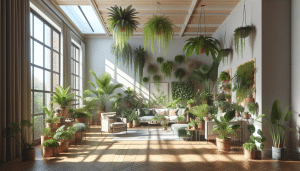
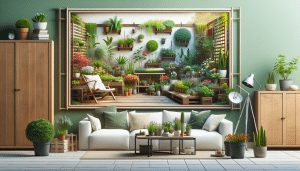
Vertical gardens have rapidly gained popularity as a practical and visually stunning solution for maximizing greenery in compact living areas. By growing plants up walls or trellises, people can enjoy the lush appearance and benefits of gardens without needing a large yard. The concept is as versatile as it is simple, capable of turning blank walls, balconies, or even indoor living rooms into immersive green sanctuaries. This style of gardening doesn’t just add beauty—it can improve air quality, foster creativity, and infuse spaces with calming natural vibes.
Utilizing vertical gardening also addresses some of the limitations faced by urban dwellers. With floor space at a premium, the vertical approach allows for the cultivation of flowers, herbs, or vegetables in places where traditional horizontal gardening isn’t feasible. Living walls, hanging pocket planters, stacked containers, and trellised vines all create opportunities to fit plants where once only blank surfaces existed. For renters or homeowners alike, these systems offer adaptability and portability, meaning you can take or redesign your green investments without major renovations.
In addition to their practical use for small homes and balconies, vertical gardens have become central to innovative home improvement and eco-friendly trends. They offer environmental advantages such as insulation, which can help moderate indoor temperatures, and filter pollutants from the air. This intersection of gardening, design, and sustainability continues to inspire people to seek out guidance on the most efficient plants, containers, and techniques for establishing successful vertical landscapes in compact spaces (Source: https://www.epa.gov/greenacres/epa-greenacres-healthy-landscapes-clean-water).
Choosing the Right Plants for Vertical Spaces
Planning a vertical garden starts by choosing suitable plants. Not every plant thrives vertically, so selecting varieties with adaptability is important. Climbers like pothos, philodendron, and ivy are mainstays for their quick-growing, trailing habits that cover supports beautifully. Edibles such as strawberries, cherry tomatoes, or leafy greens are also highly compatible with upright systems. For those wanting to boost color, many ferns and flowering annuals flourish with the extra vertical exposure while creating a dramatic effect.
Assessing light conditions is crucial in any plant selection process for small spaces. North-facing balconies benefit from shade-loving species, while south or west exposures suit sun-loving succulents or Mediterranean herbs like rosemary and thyme. Many plant experts recommend combining different plant textures and heights to add dimension and visual interest. Layering leafy trailing plants with spiky or upright varieties prevents monotony and brings dynamic flowers or foliage into view at every tier.
Beyond aesthetics, those focused on air quality improvement may target indoor-friendly purifiers such as spider plants, peace lilies, or rubber trees. If water-conservation is a priority, succulents and cacti make smart picks that thrive with limited moisture. Including native plant species can reduce maintenance and promote sustainability, while creative combinations can yield not just beauty, but practical harvests from even the smallest vertical garden (Source: https://hgic.clemson.edu/factsheet/vertical-gardening/).
Maximizing Your Vertical Garden Design
Designing a vertical garden is all about working with your surroundings to maximize space and light. Begin by mapping the available wall, balcony railing, or even a sunny kitchen window. Modular planter systems, hanging pouches, and DIY pallet structures offer flexibility and can be mounted almost anywhere. Consider built-in irrigation—like drip systems—to keep plants hydrated without flooding floors. For renters, mobile racks or freestanding vertical towers work well, avoiding holes in rental walls.
Material choices also influence the overall look and durability of your vertical garden. Reclaimed wood, recycled plastics, or metal frames can create an eco-friendly and modern statement. Transparent or mesh pockets allow for easy monitoring of soil moisture and root growth. Pay attention to accessibility for watering and pruning, designing setups so that even the highest containers are within reach. High-traffic indoor areas benefit from durable, spill-proof planters while outdoor spaces offer more versatility in design and aesthetics.
Integration of lighting—both natural and supplemental—is vital. If natural light is insufficient, installing grow lights ensures thriving foliage even in darker corners. Additionally, incorporating shelves, hooks, or stacking boxes can create multi-level arrangements where herbs, flowers, and vegetables coexist, making efficient use of every square inch. These creative configurations foster impressive living murals that become conversation pieces while enhancing daily comfort (Source: https://www.hgtv.com/outdoors/flowers-and-plants/vertical-gardening-ideas).
Understanding the Care and Maintenance Essentials
Caring for vertical gardens involves attention to soil, watering routines, and plant health. Vertical planters can dry out more quickly than ground beds due to increased air circulation, so regular watering is a must. Consider self-watering planters or drip irrigation to simplify upkeep and provide consistent moisture. Well-draining potting mixes reduce the risk of root rot and foster strong, resilient plants. Mulching top layers can also help retain precious moisture.
Feeding vertical plants is crucial since nutrients leach out with frequent watering. Balanced liquid fertilizers, applied weekly or biweekly, keep growth steady. Pruning and pinching back fast growers ensure no single species overwhelms the system. Using well-designed supports—like stakes or twine—helps climbing plants anchor and prevents cascading plants from collapsing under their own weight. Regular inspections for pests or disease allow for quick intervention and ensure healthy ecosystems in tight quarters.
It’s possible to minimize maintenance by prioritizing disease-resistant, low-care species for your vertical garden’s foundation. Mixing annuals and perennials creates a rotating display while reducing the need for constant replanting. For busy individuals or those new to gardening, automated watering systems and slow-release fertilizers provide structure without constant oversight. The result: abundant greenery that’s manageable for all experience levels (Source: https://www.gardeners.com/how-to/vertical-gardening/8593.html).
Inspiring Vertical Garden Ideas for Every Space
Vertical gardens work wonders inside and outside homes. People transform kitchen backsplashes into living herb walls, letting them harvest basil, mint, or chives directly while cooking. In bathrooms, humidity-loving houseplants create refreshing spa-like atmospheres. Bedrooms benefit from calming greenery, such as peace lilies or ferns, delivering a revitalizing burst of nature without encroaching on the limited floor area.
On patios or balconies, stacked crates and cascading flower pockets can convert unused walls into blooming landscapes. Trellised vegetables bring gardening to the smallest sun-drenched urban balconies. Those desiring minimalist aesthetics can opt for sleek metal and glass wall planters, while artists at heart may create vibrant plant mosaics from succulents, moss, and flowering groundcovers. The adaptability of vertical setups fits every taste and scale.
Even renters or DIY enthusiasts can establish stunning displays using inexpensive materials like shoe organizers, pallets, or tension rods with clipped-on pots. Old ladders become rustic plant stands, and pegboards provide endlessly customizable layouts. For the ambitious, aquaponic vertical towers blend fish and plants for an educational, eco-conscious garden centerpiece. Explore more creative ideas across gardening forums, home improvement resources, and environmental guides (Source: https://www.rhs.org.uk/advice/profile?PID=931).
Benefits Beyond Beauty: Why Vertical Gardening Matters
The benefits of vertical gardening extend far beyond decorative appeal. Studies show these installations help lower ambient temperatures, reduce noise, and enhance overall well-being by bringing nature closer to daily life (Source: https://www.fs.usda.gov/inside-fs/delivering-mission/deliver/urban-gardening-helps-communities-connect-nature). Indoor air purification, carried out by select houseplants, directly supports healthier living environments—especially important in dense cities. Vertical gardens also offer privacy screens and act as green sound barriers on balconies or patios.
From a sustainability perspective, these gardens support biodiversity, provide habitats for pollinators, and even help manage rainwater runoff in urban locations. At the same time, vertical gardening can encourage healthy eating and culinary experimentation, as people harvest fresh vegetables and herbs right at home. In tight quarters, the emotional uplift from gardening—proven to reduce stress and boost mood—becomes more accessible, nurturing a sense of accomplishment and connection with the natural world.
As cities become denser and outdoor access becomes more restricted for many, vertical gardening represents an empowering option. It signifies a shift toward greener living—not just for aesthetics, but for the wellness and resilience of people and planet alike. Whether for food, fragrance, or just a splash of green, this movement makes gardening possible everywhere (Source: https://www.ncbi.nlm.nih.gov/pmc/articles/PMC5663018/).
References
1. U.S. Environmental Protection Agency. (n.d.). Healthy Landscapes, Clean Water. Retrieved from https://www.epa.gov/greenacres/epa-greenacres-healthy-landscapes-clean-water
2. Clemson Cooperative Extension. (n.d.). Vertical Gardening. Retrieved from https://hgic.clemson.edu/factsheet/vertical-gardening/
3. HGTV Editors. (n.d.). Vertical Gardening Ideas. Retrieved from https://www.hgtv.com/outdoors/flowers-and-plants/vertical-gardening-ideas
4. Gardener’s Supply Company. (n.d.). How to Grow a Vertical Garden. Retrieved from https://www.gardeners.com/how-to/vertical-gardening/8593.html
5. Royal Horticultural Society. (n.d.). Vertical gardening. Retrieved from https://www.rhs.org.uk/advice/profile?PID=931
6. United States Department of Agriculture Forest Service. (n.d.). Urban gardening helps communities connect with nature. Retrieved from https://www.fs.usda.gov/inside-fs/delivering-mission/deliver/urban-gardening-helps-communities-connect-nature

 Secrets of Affordable Luxury All Inclusive Resorts