Interior Decor Ideas That Maximize Natural Light
Thaddeus Crowley October 1, 2025
Natural light is one of the most valuable design elements in any home. It doesn’t just brighten your space—it improves mood, reduces energy consumption, and makes rooms feel larger and more inviting. Many homeowners are looking for interior decor ideas that maximize natural light, especially as awareness grows about the connection between light, well-being, and sustainability. Fortunately, you don’t need to renovate your entire home to let the sunshine in. Small adjustments in layout, furniture choice, and decor can make a significant difference.
Why Natural Light Matters in Interior Design
Before exploring practical decor ideas, it’s important to understand why natural light has become such a priority in modern homes. Exposure to natural light is linked to better sleep, higher productivity, and reduced stress levels. It also highlights textures, colors, and architectural details in a way artificial lighting cannot. From an energy perspective, homes that rely more on daylight reduce dependence on electricity, cutting both costs and carbon footprint.
1. Choose Light Colors for Walls and Ceilings
Walls and ceilings act as reflectors. Opting for lighter shades such as soft white, pale gray, or pastel tones ensures that sunlight bounces around the room rather than being absorbed. A matte finish works well to reduce glare while still enhancing brightness. For ceilings, a bright white finish gives the illusion of height and adds to the airy feel of the space.
2. Use Mirrors Strategically
Mirrors are a classic trick to amplify natural light. Placing a large mirror opposite a window reflects sunlight deeper into the room. For narrow hallways or darker corners, a series of smaller mirrors can help distribute light evenly. Consider mirrored furniture or glass-fronted cabinets to subtly expand the reflective surfaces without overwhelming the space.
3. Keep Windows Uncluttered
Heavy drapes and dark blinds can block valuable daylight. Instead, opt for sheer curtains, linen panels, or adjustable shades that filter light without shutting it out completely. If privacy is a concern, frosted films or layered window treatments allow you to balance seclusion with brightness.
4. Select Glass and Glossy Finishes
Glossy surfaces, whether on floors, countertops, or furniture, help bounce light across the room. Glass dining tables, acrylic chairs, or metallic accents also prevent spaces from feeling too heavy. Even small details like glass vases or reflective light fixtures contribute to a brighter atmosphere.
5. Maximize Open Layouts
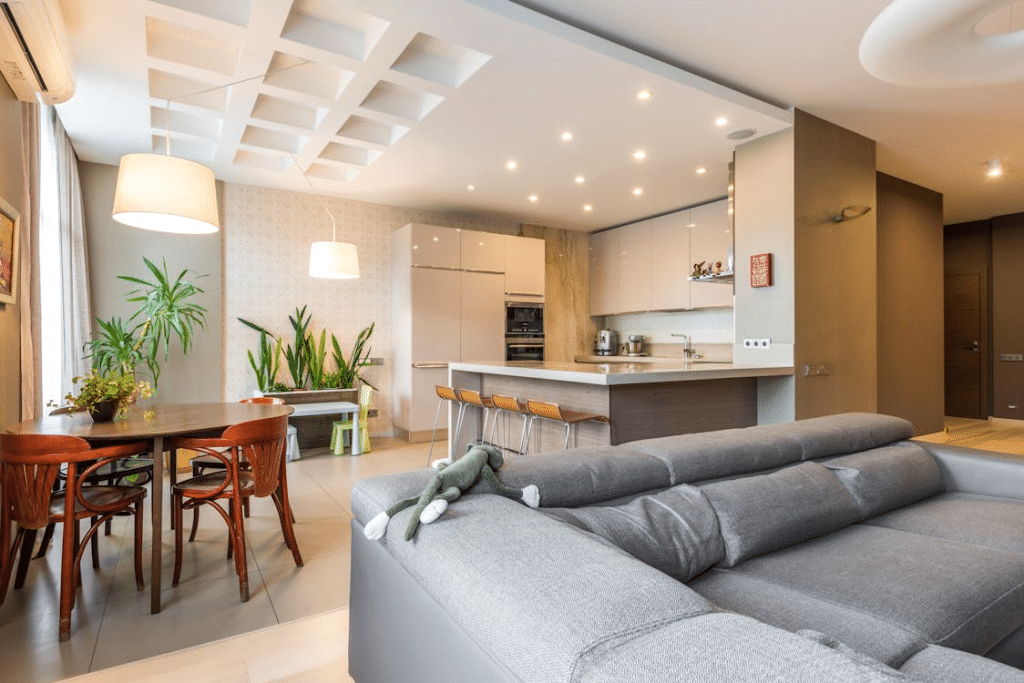
Clutter and bulky furniture can cast unnecessary shadows. Choosing an open layout or low-profile furniture ensures that light travels freely. Transparent or light-toned shelving, rather than solid cabinets, allows sunlight to pass through and keeps spaces visually lighter.
6. Add Greenery Near Windows
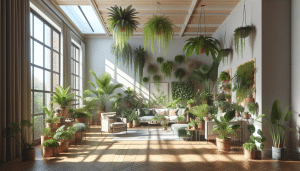
Plants thrive in sunlight and also enhance the natural feel of a room. Positioning greenery near windows draws attention to the light source while softening transitions between indoor and outdoor spaces. Opt for plants with glossy leaves that reflect light, such as rubber plants or fiddle-leaf figs.
7. Install Interior Glass Doors
Where privacy allows, swapping solid doors for glass panel doors can spread light between rooms. This is particularly effective in hallways or transitional spaces that often lack direct windows. Frosted or textured glass balances openness with discretion.
8. Choose the Right Flooring
Light-toned hardwood, bamboo, or pale tiles reflect light better than dark flooring. Area rugs in soft neutral shades can also brighten a room while adding comfort. If replacing flooring isn’t an option, layering with reflective rugs is a cost-effective solution.
9. Incorporate Skylights or Solar Tubes
For homes with limited wall windows, skylights or tubular daylighting devices are excellent additions. They channel natural light into interior rooms such as bathrooms or hallways where traditional windows aren’t possible. While this involves more investment, the impact on both energy use and aesthetics is long-lasting.
10. Prioritize Cleanliness
Dust and dirt reduce the brightness of windows, mirrors, and reflective surfaces. Regular cleaning ensures maximum light transmission. Even simple habits like keeping window sills clear of clutter improve the flow of sunlight indoors.
Final Thoughts
Maximizing natural light doesn’t require drastic renovations—it’s about thoughtful choices in color, layout, and decor. By focusing on reflective surfaces, open designs, and minimal obstructions, you can transform even the darkest rooms into welcoming, airy spaces. Natural light not only elevates your home’s aesthetic but also enhances your quality of life. Whether through mirrors, lighter finishes, or simple window treatments, small adjustments create a lasting impact.

 Fitness Routines That Improve Strength and Flexibility