Fitness Routines That Improve Strength and Flexibility
Evangeline Keaton October 1, 2025
In today’s fast-paced world, maintaining both strength and flexibility is essential for overall health and injury prevention. Combining strength training with flexibility-focused exercises has become a trending approach in home fitness routines, allowing people to enhance mobility, prevent injuries, and improve athletic performance—all without leaving their living rooms. These routines are gaining popularity as more individuals seek efficient ways to achieve a balanced and sustainable fitness regimen.
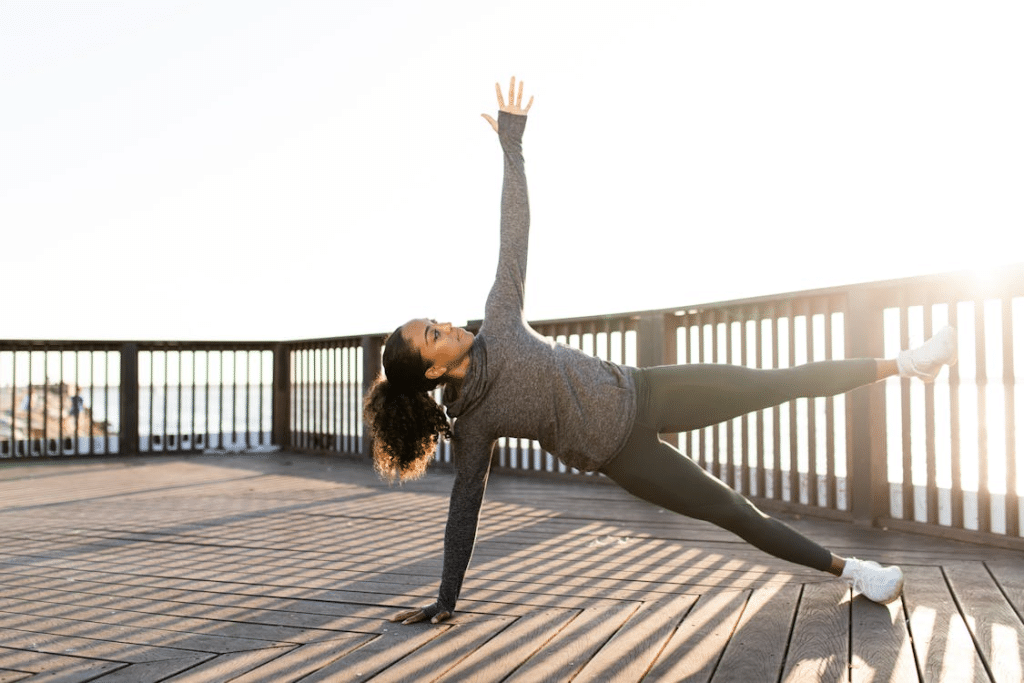
Why Strength and Flexibility Should Go Hand in Hand
Many fitness enthusiasts focus solely on strength training, thinking it will provide all the benefits they need. While lifting weights or performing resistance exercises is vital for building muscle and bone density, neglecting flexibility can lead to stiffness, poor posture, and higher injury risk. On the other hand, emphasizing flexibility alone without building strength may leave the body less supported during physical activity.
According to the American Council on Exercise (ACE), combining flexibility and strength exercises can improve functional movement, reduce chronic pain, and even enhance overall performance in daily activities (ACE Fitness, 2023). By integrating both, you create a balanced routine that promotes long-term mobility and resilience.
Emerging Trend: Functional Fitness at Home
Functional fitness is currently one of the fastest-growing trends in home workouts. Unlike traditional routines that isolate muscles, functional exercises mimic real-life movements and enhance multiple muscle groups simultaneously. For example, squats, lunges, and push-ups strengthen muscles while promoting flexibility and joint mobility.
With the rise of compact home gyms, people are now using minimal equipment like resistance bands, kettlebells, and yoga mats to perform full-body functional workouts. This trend emphasizes that a small space can still provide significant strength and flexibility improvements.
Effective Home Workouts for Strength and Flexibility
Below are some highly effective home fitness routines designed to improve both strength and flexibility. These exercises require minimal equipment and can be adapted to different fitness levels.
1. Dynamic Warm-Up (5–10 minutes)
A proper warm-up prepares the body for movement while improving mobility:
- Arm Circles: Circulate your arms forward and backward for 30 seconds each.
- Leg Swings: Swing each leg front-to-back and side-to-side for 10–12 reps.
- Torso Twists: Rotate your torso gently from side to side to activate your core.
2. Strength-Focused Exercises with Flexibility Benefits
- Goblet Squats: Holding a dumbbell or kettlebell, perform 12–15 squats. This strengthens the legs and glutes while promoting hip mobility.
- Push-Ups with Shoulder Stretch: After each set of push-ups, extend your arms overhead and stretch your chest and shoulders to maintain flexibility.
- Deadlifts (Light to Moderate Weight): Improves posterior chain strength while enhancing hamstring flexibility.
3. Flexibility-Focused Exercises with Strength Elements
- Yoga Flows (Sun Salutations): Combines core and upper-body strength with dynamic stretching.
- Plank to Downward Dog: Builds core strength while stretching hamstrings, calves, and shoulders.
- Lunge with Side Stretch: Strengthens legs and glutes while opening the hips and side body.
4. Recovery and Mobility Work
Incorporating recovery exercises ensures long-term flexibility and reduces soreness:
- Foam Rolling: Roll major muscle groups for 5–10 minutes post-workout.
- Static Stretching: Hold stretches for hamstrings, quads, chest, and back for at least 20–30 seconds each.
- Breath-Focused Stretching: Deep breathing while stretching increases oxygen flow and relaxation.
Tips to Maximize Strength and Flexibility Gains
- Consistency Matters: Aim for 3–5 workout sessions per week to see noticeable improvements.
- Progressive Overload: Gradually increase resistance or intensity to continue building strength.
- Combine Strength and Flexibility in Each Session: Include at least one flexibility-focused move in every strength routine.
- Monitor Form: Proper technique prevents injuries and enhances results.
- Listen to Your Body: Adjust intensity and rest days according to your recovery needs.
The Benefits Beyond Physical Appearance
Adopting a balanced strength and flexibility routine offers more than aesthetic improvements. Research from Harvard Health highlights that individuals who maintain mobility and strength experience fewer falls, lower back pain, and enhanced overall quality of life (Harvard Health, 2022). Additionally, these routines help improve posture, circulation, and mental well-being.
Conclusion
Strength and flexibility are not separate fitness goals—they complement each other. The current trend of functional home workouts, combined with dynamic strength and flexibility exercises, allows people to create routines that are both practical and effective. By incorporating these exercises into your weekly schedule, you can improve mobility, prevent injuries, and enhance your overall health, all from the comfort of your home.
References:
- American Council on Exercise (ACE Fitness). (2023). Strength and Flexibility: Why Both Matter. https://www.acefitness.org/education-and-resources/lifestyle/blog/strength-and-flexibility
- Harvard Health. (2022). The Importance of Flexibility and Strength in Daily Life. https://www.health.harvard.edu/staying-healthy/flexibility-and-strength
- Mayo Clinic. (2023). Stretching and Strength Exercises for Better Mobility. https://www.mayoclinic.org/healthy-lifestyle/fitness/in-depth/stretching/art-20047931
- National Academy of Sports Medicine (NASM). (2023). Functional Training for Home Workouts. https://www.nasm.org/resources/articles/functional-training-home

 Travel Destinations That Inspire Reflection