Surprising Benefits of Indoor Plants for You
Thaddeus Crowley October 16, 2025
Curious about the real impact of indoor plants on your daily life? Discover how adding greenery to your home can enhance air quality, boost well-being, and create a sanctuary for relaxation, all while transforming your living space with easy and rewarding plant care methods.
Why Indoor Plants Matter More Than You Think
The rise of indoor plants in homes is not just a fleeting trend—it’s rooted in real science and lifestyle benefits. Studies show that houseplants can significantly improve indoor air quality by filtering out common toxic pollutants, creating a fresher and safer environment for everyone. The benefits don’t stop at clean air; having indoor plants around can brighten your home, reduce stress, and even support better sleep hygiene. Many people find the presence of greenery naturally calming, making it easier to unwind at the end of a busy day. It’s a low-maintenance way to boost mood and comfort indoors, especially in urban environments where outdoor greenery may be scarce.
What’s fascinating is how indoor plants contribute to your overall well-being in subtle ways. Beyond purifying air, bringing plants inside can increase humidity, which is especially helpful during dry months. This small shift in your home’s atmosphere can have noticeable impacts—less dry skin, fewer sore throats, and even better focus. Several studies published by health organizations support these claims, highlighting how environments with living plants can help reduce fatigue, anxiety, and headaches. Imagine simply watering a philodendron or snake plant and finding your workspace or bedroom transformed into a soothing oasis.
Another often overlooked benefit of indoor gardening is its positive effect on mental health. The act of caring for plants—watering, pruning, or simply observing their growth—triggers a rewarding sense of accomplishment. Horticultural therapy, an area gaining interest, demonstrates how tending plants can support emotional balance and cognitive health. Even short, regular interactions with plants can boost mindfulness and lower perceived stress, an advantage that fits effortlessly into daily routines. Many homeowners find that establishing a green haven indoors nurtures more than just foliage—it cultivates relaxation and personal growth.
Enhancing Air Quality with Houseplants
Air quality inside the home can be influenced by many factors such as cleaning supplies, paint, and furnishings. Fortunately, certain houseplants are well-known for absorbing toxins like formaldehyde, benzene, and ammonia through their leaves and roots. This process, sometimes referred to as phytoremediation, has made species like pothos, spider plants, and peace lilies especially popular among those seeking healthier living spaces. The United States Environmental Protection Agency recognizes that, while houseplants alone aren’t a cure-all, they do contribute to improving air freshness and reducing common indoor pollutants (https://www.epa.gov/indoor-air-quality-iaq/introduction-indoor-air-quality).
NASA famously conducted research on the air-purifying abilities of plants, finding that certain species can filter specific volatile organic compounds from sealed environments—an encouraging discovery for anyone who spends significant time indoors. For optimal results, experts suggest spreading several small to medium-sized plants throughout living or office spaces. Simply grouping a few plants on a shelf or by a window can lead to noticeable improvements in perceived air quality and comfort. While the full scientific effects continue to be studied, many users notice fresher indoor air practically overnight after adding new plants to their rooms.
Choosing the right plants for air filtration is about more than aesthetics. Resilient varieties like snake plants, peace lilies, and ferns tend to perform well in a variety of conditions, making them accessible options for beginners. Incorporating these leafy allies into your home is not only functional, but can also contribute to a more vibrant and inviting décor. Experimenting with plant placement and care styles is part of the journey, allowing you to discover what works best for your unique space and lifestyle.
Indoor Plants as Stress Relievers and Wellness Aids
The relationship between indoor plants and mental well-being is a captivating aspect of home gardening. Numerous psychological studies have revealed that proximity to nature—even in the form of potted plants—can foster a sense of comfort and relaxation (https://www.apa.org/monitor/2020/04/nurtured-nature). This effect can be particularly pronounced in city dwellers who have limited access to outdoor greenery. A little greenery on a window sill or in the workspace seems to act as a silent anchor, helping to ground emotions and ease daily stressors with minimal effort.
For many, the routine care of houseplants becomes a meditative ritual. The process of watering, trimming, and observing plant health can shift the mind away from worries toward the present moment. Engaging in this type of mindful activity has been shown to decrease cortisol levels, promote better sleep, and leave you feeling more refreshed overall. Some organizations advocate for workplace plant installations to help reduce job-related burnout and encourage a healthier, more welcoming environment for all.
Kids and adults alike benefit from a sense of responsibility that comes with plant care. Watching seedlings sprout and leaves unfurl is a simple yet powerful reminder of positive growth and transformation. For those dealing with anxiety or low energy, interacting with plants—even passively—can gently encourage a more optimistic perspective. There are countless testimonials and clinical studies supporting this mind-body connection, suggesting that a handful of houseplants may offer more wellness value than meets the eye.
Choosing the Perfect Indoor Plants for Your Space
Finding the right plant for your space involves balancing light conditions, maintenance needs, and personal style preferences. Some species thrive in bright window spots, while others do just fine in low-light corners. Snake plants and ZZ plants, for example, tolerate low light and require infrequent watering, making them excellent for beginners or spaces that receive little sunlight. Peace lilies and pothos vines, on the other hand, can adapt to a variety of conditions and bring a lush, leafy look to any room. Consider your routine and the environmental factors in each area before selecting new plant additions.
Pet owners should take extra care, as not all houseplants are safe for cats and dogs. The ASPCA maintains a comprehensive database on pet-friendly houseplants and those to avoid (https://www.aspca.org/pet-care/animal-poison-control/toxic-and-non-toxic-plants). Thankfully, plenty of beautiful options are safe for all household members, including spider plants, parlor palms, and Boston ferns. You’ll also want to consider how much time you can realistically invest in watering, pruning, and fertilizing—some low-maintenance varieties practically thrive on neglect!
Size matters when it comes to plant selection. Large statement plants like monstera or fiddle-leaf figs can add a dramatic flair to living rooms or foyers, while compact succulents bring charm to desks and shelves. Mixing plant heights, leaf shapes, and colors creates visual interest and enhances the indoor garden aesthetic. Ultimately, the goal is to cultivate a space that feels both rejuvenating and uniquely yours, no matter the size of your home or personal gardening skills.
Easy Indoor Plant Care Practices for Lasting Results
Many hesitate to introduce houseplants for fear they’ll be difficult to maintain, but a few simple habits can ensure your plants thrive for years. Consistency in watering is key; most indoor plants prefer their soil to dry out slightly between waterings. Overwatering remains the most common cause of plant health issues, so always check the topsoil before adding water. Bright, indirect sunlight is optimal for most species, though some, like succulents and cacti, relish a sunnier location.
Regular dusting of leaves helps plants absorb light efficiently and prevents pest buildup. Fertilizing lightly during the growing season encourages lush, healthy growth, while trimming away dead or yellowing leaves keeps plants looking their best. Rotating plants every few weeks helps ensure all sides receive ample sunlight, preventing uneven growth. These straightforward steps don’t require much time, and many plant lovers find the routine provides a satisfying sense of order and calm.
Pests occasionally appear, but simple, non-toxic solutions like neem oil or a damp cloth with soapy water keep infestations in check. Watching for early signs of trouble—such as drooping leaves or discoloration—allows you to troubleshoot quickly and keep your indoor garden flourishing. With these easy plant care strategies, even those with busy schedules or little previous gardening experience can enjoy the rewards of a greener home.
Creative Ways to Style Your Home with Plants
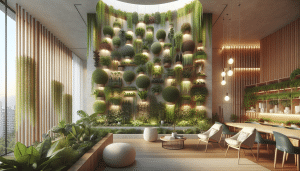
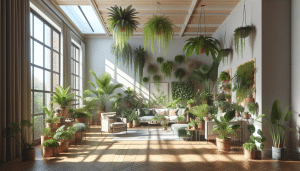
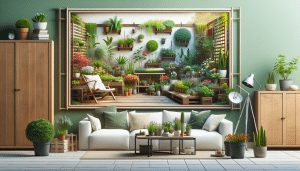
Houseplants are more than air purifiers—they’re also versatile design elements. Stylish plant stands, hanging baskets, and wall-mounted containers allow you to personalize your home décor with greenery. Try clustering plants of varying heights for a lush, layered effect, or let vining plants spill from high shelves for a dramatic look. Even a small selection of coordinated pots can enhance windowsills, tabletops, and bathroom ledges.
Experiment with color by choosing species with unique foliage: purple hearts, red prayer plants, or variegated pothos bring vibrant splashes to neutral spaces. Pairing plants with decorative stones or moss adds texture. If you’re decorating compact quarters, vertical gardens, terrariums, or glass jars packed with miniature ferns and mosses can bring nature into the tightest spaces without compromising on style.
Balance scale and visual flow by interspersing plants with books, artwork, or lighting fixtures. Thoughtful groupings of greenery can help define functional areas—such as a cozy reading nook or relaxing bedroom retreat. Ultimately, the flexibility of plant styling encourages experimentation. Play with arrangements until your indoor oasis truly reflects your personality and brings you joy every day.
References
1. Environmental Protection Agency. (n.d.). Introduction to Indoor Air Quality. Retrieved from https://www.epa.gov/indoor-air-quality-iaq/introduction-indoor-air-quality
2. NASA. (n.d.). Indoor plants for indoor air pollution abatement. Retrieved from https://ntrs.nasa.gov/citations/19930073077
3. American Psychological Association. (2020). Nurtured by Nature. Retrieved from https://www.apa.org/monitor/2020/04/nurtured-nature
4. ASPCA. (n.d.). Toxic and Non-Toxic Plants. Retrieved from https://www.aspca.org/pet-care/animal-poison-control/toxic-and-non-toxic-plants
5. Royal Horticultural Society. (n.d.). How to care for indoor plants. Retrieved from https://www.rhs.org.uk/plants/types/indoor-plants/houseplants/care
6. National Institutes of Health. (2019). The Influence of Plants on Mental Well-being. Retrieved from https://www.ncbi.nlm.nih.gov/pmc/articles/PMC6426531/

 Where You Get Your News May Affect What You Believe