Where You Get Your News May Affect What You Believe
Alaric Winslow October 16, 2025
Curious about how the sources you rely on for news shape your world? This in-depth guide explores the complexities of news consumption, the evolving role of digital media, and how misinformation and media literacy impact public trust and perception across society.
The Evolving Landscape of News Sources
The news environment has been transformed in dramatic ways. Gone are the days when newspapers and nightly TV broadcasts dominated the flow of information. Today, people access news from a wide range of sources including online platforms, podcasts, social media feeds, and traditional radio. This expansion provides unprecedented choice but also introduces greater complexity for navigating what’s credible. Many turn to digital news aggregators for convenience, while others value the depth of print journalism or the immediacy of live TV bulletins. This growing variety can be both empowering and confusing, as each medium brings its own strengths and potential pitfalls. The keyphrase ‘news sources’ captures the range of choices available, from traditional outlets to new digital players and everything in between.
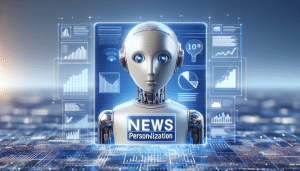
Technology’s rapid advancement plays a significant role in altering how stories are sourced, curated, and disseminated. Smartphone notifications, personalized news apps, and push alerts mean headlines reach people in real time—even before they turn on the TV or open a browser. Algorithms, tailored to individual behavior, further shape the stream of content delivered. Yet, this personalization leads many to echo chambers, seeing stories that confirm, rather than challenge, their perspectives. This reality underscores the need for awareness about how technology silently shapes consumption habits, and what it means for the diversity of viewpoints available to readers.
Despite technological innovations, public attitudes toward various news outlets are mixed. Trust in traditional journalism remains significant for some, tied to authority and editorial standards, while skepticism abounds due to perceived bias or lack of transparency. Emerging platforms like podcasts and newsletters have developed followings by offering niche or independent voices. However, the risk of misinformation and filter bubbles persists. As options multiply, understanding where stories originate and how narratives are constructed becomes essential for anyone wanting to form an informed view of current events.
Digital Media’s Influence on Public Perception
Digital media has revolutionized the speed and scope of news delivery. Social media platforms, for example, allow stories to go viral instantly. Users can share breaking headlines with audiences of millions in seconds. This creates opportunities for awareness, real-time updates, and global perspectives. Yet, it also means rumors and misleading claims can spread just as easily—sometimes faster than official corrections. People may encounter unverified content in their feeds, making it challenging to separate fact from speculation, especially during major events or crises.
The interactive features of platforms such as Twitter or TikTok mean news is no longer just consumed but also created by users. Citizen journalism brings powerful voices into the conversation, often delivering firsthand video or commentary before mainstream outlets catch up. However, without robust editorial checks, unfiltered information can introduce errors or biases. Public perception is increasingly shaped not only by professional journalists but by influencers, advocates, or anonymous posters. The keyphrase ‘digital news’ represents both unprecedented reach and the urgent need for skills to evaluate authenticity.
With news delivered at lightning speed, context sometimes gets lost. Short headlines, limited character counts, and quick video cuts may omit background or nuance. Some people feel overwhelmed by the constant flow, resulting in information fatigue or avoidance. Others selectively seek out news sources aligned with their beliefs, contributing to polarization. The interplay between technological innovation, speed, and opinion formation represents a defining challenge for the future of responsible journalism and informed citizenship.
The Challenge of Misinformation and Disinformation
Misinformation and disinformation are now seen as significant threats to democratic societies. Misinformation, when inaccurate information is shared without ill intent, and disinformation, which is deliberately deceptive, can both profoundly influence public debates. Some studies suggest that false stories can outperform reliable reporting in shares and engagement, especially on social networks. Trusted media literacy organizations warn that fabricated news can undermine trust in institutions, distort policy debates, and polarize communities. Recognizing these risks is a central concern for anyone navigating the modern media ecosystem.
Media organizations increasingly use fact-checking services, algorithms, and partnerships to combat the flood of misleading content. Platforms now flag questionable information, highlight reliable sources, or provide additional context for trending stories. Despite these efforts, persistent challenges remain. Deepfakes, synthetic images, and manipulated headlines require ongoing vigilance. Individuals must be equipped to scrutinize not only what is said but who is saying it and for what purpose—the foundation of responsible news consumption. The keyphrase ‘misinformation’ underscores these developments and the ongoing quest for trusted content.
Ethical journalism standards and professional guidelines have never mattered more. Journalists work to double-check sources and avoid spreading inaccuracies, but the sheer speed of digital news sometimes compromises accuracy. For audiences, adopting a critical approach—questioning sensational claims, searching for validation across outlets, and seeking transparency about sources—can help foster trust. Strengthening public resilience to misinformation depends on education, technical innovation, and robust debate about the responsibility of both creators and consumers of news.
Media Literacy: Building Critical News Skills
Media literacy is now considered an essential skill. The ability to evaluate, interpret, and question news is fundamental for informed citizenship in a media-saturated world. Schools, nonprofits, and even government agencies promote media literacy programs that teach individuals to detect bias, analyze sources, and distinguish news from opinion. These initiatives empower readers to make informed decisions, protecting against manipulation and propaganda. The importance of ‘media literacy’ cannot be underestimated, as it enhances individuals’ ability to understand current events and participate meaningfully in democratic life.
Effective media literacy programs adapt to changing news consumption habits. They cover a range of topics—from spotting clickbait headlines to understanding how algorithms work and why confirmation bias happens. Practical exercises include comparing coverage of the same story across different outlets or tracing the origins of viral social media posts. These approaches build confidence to challenge questionable narratives and seek multiple perspectives, key to navigating a diverse and sometimes divisive information landscape.
The rise of media literacy education signals a societal commitment to combating information disorder. However, disparities in access to training and support persist. Digital divides, language barriers, and differences in educational opportunity mean not everyone has equal tools to sift signal from noise. Broad-based media literacy efforts, including public libraries, community groups, and online courses, can help bridge these gaps and foster a culture of thoughtful, evidence-based discussion on public issues.
Trust, Bias, and the Future of the News Ecosystem
Trust in news is a complex topic influenced by personal values, past experiences, and the credibility of individual outlets. Surveys indicate that many hold differing opinions about news providers’ motives, accuracy, and fairness. Some rely on public broadcasters or established papers for their coverage, valuing rigorous oversight. Others prefer independent journalists or alternative media, concerned about perceived bias or corporate influence. Understanding this dynamic—and how it shapes belief—is essential for assessing today’s news ecosystem.
Media bias is also widely debated. Digital algorithms, editorial decisions, and audience expectations all shape which stories are told and how. People tend to seek news that affirms their existing views, sometimes unconsciously. This phenomenon—known as selective exposure—can intensify divisions or reinforce stereotypes. News providers, on their part, increasingly share details about their editorial process or fact-checking procedures to promote transparency and foster greater confidence with readers and viewers.
The future of news depends on an ongoing balance between trust, diversity, and accountability. True progress lies in nurturing a media environment where a multitude of voices can be heard without sacrificing accuracy or public trust. Responsible reporting, transparent correction of errors, and continued innovation in storytelling all play a role. For citizens, the willingness to engage with a variety of news sources, question assumptions, and cultivate media literacy will help ensure that the information they rely on truly informs rather than misleads.
Strategies for Navigating the Modern News Landscape
Staying informed means adopting practical habits. Explore a mix of digital, print, and broadcast outlets to encounter a range of viewpoints. Use fact-checking sites and media literacy resources to validate surprising or controversial claims. Seek out long-form journalism or in-depth analysis for context beyond headlines. The term ‘news literacy’ captures the broad toolkit now available for the curious reader or viewer.
Diversifying news intake helps counteract filter bubbles and algorithmic bias. For example, checking both local and international news ensures a broader perspective on major developments. Subscribing to reputable newsletters or podcasts can supplement social feeds. Critical engagement—not passive scrolling—turns information into understanding. This intentional approach supports smarter consumption and resilience against manipulation.
Ultimately, responsible news navigation is an ongoing journey. No system is perfect, but openness to learning, critical thinking, and adaptation foster better choices every day. Technology will keep evolving, but the foundation of a well-informed society remains thoughtful readers who question, compare, and reflect on what they see and hear. Such efforts help ensure news remains a resource for connection, discovery, and informed action—instead of division and noise.
References
1. Pew Research Center. (2021). News Consumption Across Social Media in 2021. Retrieved from https://www.pewresearch.org/journalism/2021/09/20/news-consumption-across-social-media-in-2021/
2. UNESCO. (2019). Media and Information Literacy: Policy and Strategy Guidelines. Retrieved from https://unesdoc.unesco.org/ark:/48223/pf0000377067
3. Reuters Institute for the Study of Journalism. (2022). Digital News Report. Retrieved from https://reutersinstitute.politics.ox.ac.uk/digital-news-report/2022
4. American Press Institute. (2020). How Americans Decide What News to Trust on Digital Platforms. Retrieved from https://www.americanpressinstitute.org/publications/reports/survey-research/news-trust-digital-platforms/
5. Knight Foundation. (2018). Disinformation, Fake News and Influence Campaigns on Social Media. Retrieved from https://knightfoundation.org/reports/disinformation-fake-news-and-influence-campaigns-on-social-media/
6. National Association for Media Literacy Education (NAMLE). (2020). Media Literacy Defined. Retrieved from https://namle.net/publications/media-literacy-definitions/

 Why You Might Be Overlooking Profitable Startup Grants