Interior Organization Tips That Save Time
Thaddeus Crowley October 8, 2025
In a fast-paced world where time is often our scarcest resource, the way we organize our homes plays a significant role in daily efficiency. Clutter and disorganization don’t just take up physical space—they also drain energy, increase stress, and make it harder to focus. On the other hand, streamlined and thoughtfully arranged interiors make life smoother, helping people find what they need faster and enjoy a more calming environment.
In 2025, home design trends are leaning toward functional organization, minimalism, and smart storage solutions. With more people working from home and spending longer hours indoors, practical design is no longer optional—it’s essential. Adopting interior organization tips that save time can transform chaotic spaces into supportive, time-saving environments.
Why Organization Saves More Than Just Time
Organization affects more than efficiency—it impacts mood, productivity, and overall wellness.
- Reduced stress: Studies have shown that clutter raises cortisol, the stress hormone. A tidy home promotes calm.
- Better focus: Organized spaces reduce distractions, making it easier to work or relax.
- Improved productivity: Time saved searching for items adds up to hours reclaimed each week.
- Enhanced aesthetics: Neat arrangements make homes feel larger, brighter, and more welcoming.
Simply put, when a home works with you instead of against you, daily routines become much more manageable.
Interior Organization Tips That Save Time
1. Start with Decluttering
Before organizing, it’s essential to minimize excess.
- Sort belongings into three categories: keep, donate, discard.
- Apply the “one-year rule”—if you haven’t used it in a year, let it go.
- Focus on quality over quantity when deciding what stays.
Decluttering not only saves space but also reduces the amount of time spent managing unnecessary items.
2. Use Vertical Space Effectively
Walls aren’t just for art—they’re untapped storage opportunities.
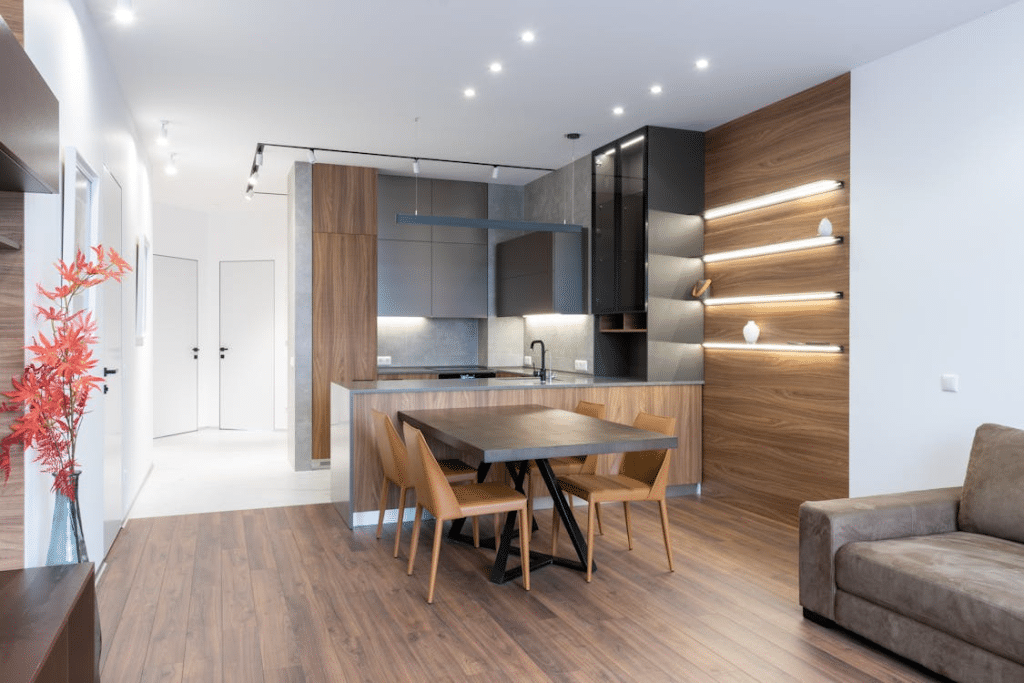
- Install floating shelves for books, decor, or office supplies.
- Use wall-mounted hooks for coats, keys, and bags.
- Consider tall cabinets that maximize ceiling height in kitchens and bathrooms.
This approach frees up floor space, reduces clutter, and creates quicker access to essentials.
3. Adopt Zone-Based Organization
Organizing items based on how and where they’re used saves time.
- Keep cooking utensils near the stove for quick meal prep.
- Store cleaning supplies in each bathroom instead of one central closet.
- Create work zones in home offices with separate areas for tech, files, and supplies.
Zoning ensures items are always where you need them, cutting down on unnecessary steps.
4. Invest in Smart Storage Solutions
Modern storage solutions combine functionality with style.
- Use under-bed drawers for seasonal clothing.
- Opt for ottomans with hidden compartments in living rooms.
- Install pull-out pantry shelves to keep groceries visible and accessible.
Smart storage prevents “out of sight, out of mind” problems that lead to wasted time and forgotten items.
5. Embrace Minimalist Furniture and Decor
Minimalism isn’t about having less—it’s about having what truly serves you.
- Choose furniture with clean lines and built-in storage.
- Limit decorative accessories to meaningful pieces.
- Keep surfaces clear for easier cleaning and less visual clutter.
The less you own, the less you need to organize.
6. Digital Organization for Smart Homes
In 2025, interior organization goes beyond physical spaces—technology is a powerful ally.
- Smart home apps track pantry items and remind you when to restock.
- Digital calendars displayed on smart hubs keep family schedules aligned.
- Wireless charging stations reduce cable clutter in living rooms and offices.
Integrating digital tools into your home design ensures smoother, time-saving routines.
7. Label Everything
Clear labeling may feel old-fashioned, but it’s one of the simplest time-savers.
- Label pantry containers for quick meal prep.
- Use tags for seasonal storage boxes.
- Add digital labels or QR codes for easy item tracking.
This eliminates guesswork and ensures everyone in the household knows where things belong.
8. Optimize Entryways for Efficiency
Entryways are often the most chaotic areas of a home. Organizing them saves time every morning.
- Install a shoe rack to prevent pile-ups.
- Use wall hooks for coats and bags.
- Add a small tray for keys, wallets, and sunglasses.
A well-organized entryway ensures smoother departures and arrivals.
9. Create a Weekly Reset Routine
Even the best systems need maintenance. Setting aside time each week ensures order.
- Spend 15–20 minutes putting items back in place.
- Do a quick surface declutter in living and work spaces.
- Rotate seasonal items like clothing or decor as needed.
Weekly resets prevent small messes from becoming overwhelming.
10. Kitchen Organization Hacks
Since the kitchen is the most used space in many homes, efficient organization here is a must.
- Store commonly used spices and utensils within arm’s reach.
- Group food items by category in labeled bins.
- Use transparent containers to avoid wasting time searching.
Organized kitchens save significant time in meal planning and cooking.
11. Closet Systems for Quick Outfits
Closets are often the most time-consuming areas when disorganized.
- Group clothing by type and color.
- Use slim hangers to maximize space.
- Rotate seasonal wardrobes for easy access.
This helps eliminate “what to wear” stress in the mornings.
12. Bathroom Organization for Faster Routines
Bathrooms can easily become cluttered with products.
- Use drawer organizers for grooming tools.
- Keep daily essentials on a visible tray.
- Store backup supplies in labeled bins under sinks.
Organized bathrooms reduce wasted time during daily self-care routines.
13. Adopt the “One In, One Out” Rule
To maintain order, balance every new item by letting go of something else.
- Bought new shoes? Donate an old pair.
- Added new books? Pass some on to friends or libraries.
- This habit prevents overcrowding and keeps spaces functional.
Practical Daily Habits That Reinforce Organization
- Spend 5 minutes each night tidying key areas.
- Return items to their designated zones immediately after use.
- Teach all household members to follow the same system.
- Limit impulse purchases that lead to clutter.
- Use digital reminders for seasonal cleaning tasks.
Consistency, not perfection, is what makes organized living sustainable.
The Future of Interior Organization
Looking ahead, the demand for organized living will grow alongside hybrid lifestyles. Homes will continue to integrate AI-powered organization systems that track inventory, recommend storage solutions, and even predict needs. Sustainable design—like multipurpose furniture and recycled materials—will also remain central to organization trends.
Ultimately, interior organization tips that save time are about creating homes that support well-being, reduce stress, and give people more time for what truly matters.
References
- Better Homes & Gardens. (2024). Organization tips that transform your home. Retrieved from https://www.bhg.com
- Real Simple. (2025). Smart storage and time-saving hacks for busy households. Retrieved from https://www.realsimple.com
- House Beautiful. (2024). Interior design and organization trends that save time. Retrieved from https://www.housebeautiful.com

 Fitness Challenges That Encourage Consistency