Fitness Challenges That Encourage Consistency
Evangeline Keaton October 8, 2025
Staying consistent with fitness is one of the biggest hurdles people face. Motivation often comes and goes, but results only appear with steady, long-term effort. That’s why fitness challenges that encourage consistency have become so popular. They provide structure, accountability, and measurable goals that help people stick to exercise routines even when energy and motivation dip.
In 2025, fitness trends highlight not just short bursts of effort but sustainable approaches that support daily movement and mental resilience. From 30-day challenges to digital accountability groups, fitness challenges are designed to help people transform consistency from a struggle into a habit.
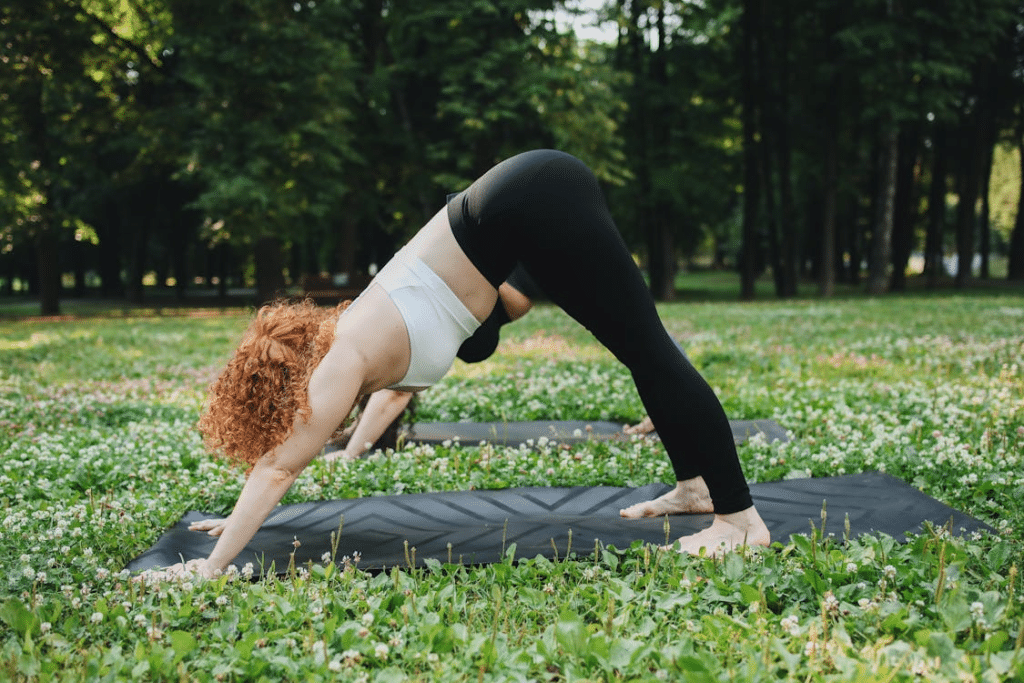
Why Consistency Matters in Fitness
It’s common to start strong with a new workout routine only to lose momentum after a few weeks. Consistency, however, is the single most important factor for long-term success in fitness.
- Builds habits: Regular exercise becomes second nature, reducing reliance on willpower.
- Delivers results: Progress in strength, endurance, or weight loss depends on steady effort.
- Supports mental health: Routine workouts stabilize mood and reduce stress.
- Prevents injury: Consistent training builds strength gradually, avoiding overexertion.
Fitness challenges work because they give participants short-term goals within a longer vision, making it easier to stay on track.
Fitness Challenges That Encourage Consistency
1. 30-Day Daily Movement Challenge
This simple challenge focuses on doing some form of exercise every day for a month.
- Mix cardio, strength, yoga, and walking for variety.
- Keep some sessions short (10–15 minutes) to remove excuses.
- Track progress in a calendar or app.
Even light activity counts, which makes consistency achievable.
2. Step Count Challenges
Step challenges encourage more daily movement by setting a target.
- Aim for 8,000–12,000 steps per day.
- Compete with friends, coworkers, or online groups.
- Use smartwatches or apps for accountability.
3. Strength Progression Challenges
Strength challenges help build confidence and motivation.
- 100 push-ups in 30 days (starting small and building up).
- Squat or plank challenges with progressive increases.
- Weightlifting progression challenges with clear benchmarks.
Gradual improvement makes the habit stick and highlights visible progress.
4. Virtual Group Challenges
Technology makes it easier to stay consistent through group accountability.
- Online fitness apps connect participants worldwide.
- Virtual leaderboards and shared progress motivate consistency.
- Social media groups share daily updates and encouragement.
The sense of community keeps people engaged and committed.
5. Habit Stacking Challenges
This type of challenge links fitness with daily habits.
- Do 20 squats after brushing teeth.
- Stretch for 5 minutes after morning coffee.
- Walk around the block during lunch break.
By tying exercise to existing routines, consistency feels natural.
6. Mind-Body Challenges
Consistency isn’t only about physical effort—it’s also about mental balance.
- 21 days of yoga or meditation combined with light workouts.
- Daily breathing and stretching routines.
- Journaling alongside fitness tracking.
Mind-body challenges support both physical and emotional consistency.
7. Seasonal Fitness Challenges
Aligning challenges with the seasons helps maintain year-round momentum.
- “Spring into Strength” with bodyweight training.
- “Summer Cardio Challenge” focusing on outdoor runs or swims.
- “Winter Wellness” with home workouts and flexibility training.
Seasonal variations keep fitness exciting and adaptable.
8. Workplace or Family Fitness Challenges
Shared challenges at work or home add accountability.
- Weekly walking meetings instead of sitting.
- Family fitness nights with short routines.
- Workplace competitions for step counts or active breaks.
Involving others turns fitness into a social experience.
9. Consistency Streak Challenges
Streak-based systems encourage participants not to “break the chain.”
- Complete a fitness activity every day for a set period.
- Use apps that track streaks visually.
- Reward yourself for milestones (7 days, 30 days, 100 days).
The psychological drive to keep the streak alive builds long-term commitment.
10. Hybrid Fitness Challenges
Hybrid programs combine cardio, strength, and mindfulness.
- 5K run training combined with yoga.
- Weightlifting routines paired with meditation.
- Daily walking plus journaling about energy levels.
By blending different practices, challenges remain fresh and sustainable.
Tips for Success with Fitness Challenges
- Start small – Choose challenges that match your current fitness level.
- Track progress – Use journals, apps, or photos to measure growth.
- Celebrate milestones – Small rewards keep motivation high.
- Stay flexible – Adjust routines on busy or low-energy days.
- Focus on habit, not perfection – Missing one day doesn’t mean failure.
Consistency is about persistence over time, not flawless execution.
The Future of Fitness Challenges
In 2025, fitness challenges are becoming more personalized and tech-driven. Apps powered by AI recommend custom routines, while wearables track progress with increasing accuracy. Virtual reality workouts and gamified challenges are making consistency fun and immersive.
Most importantly, the trend is shifting from short-term challenges to sustainable lifestyle changes. People are realizing that fitness is not about temporary bursts of motivation but about building long-term habits that support energy, focus, and health.
Ultimately, fitness challenges that encourage consistency are less about competition and more about empowerment—helping people create structures that make regular movement a natural part of life.
References
- Verywell Fit. (2025). 30-day challenges for better fitness consistency. Retrieved from https://www.verywellfit.com
- Healthline. (2024). Why consistency matters more than intensity in fitness. Retrieved from https://www.healthline.com
- Men’s Health. (2024). Best fitness challenges to stay motivated year-round. Retrieved from https://www.menshealth.com

 Travel Experiences That Highlight Local Traditions