You’ll Be Surprised by How Indoor Plants Change Homes
Thaddeus Crowley September 25, 2025
Discover how indoor plants can transform both the look and feel of your home. Explore practical ways to choose, care for, and place indoor greenery for the healthiest, most inviting indoor environment.
Why Indoor Plants Are More Than Decoration
Indoor plants do more than just sit pretty on windowsills. Their lush leaves and colorful blooms introduce vibrancy into any room, but the hidden advantages are even more remarkable. Studies highlight that common indoor plants help filter airborne toxins, removing volatile organic compounds such as benzene and formaldehyde from household air. This ability to improve air quality makes them a practical addition to homes in busy urban areas. By selecting a mix of leafy foliage and flowering varieties, many people find their living spaces not only look fresher but actually feel lighter and healthier.https://www.epa.gov/indoor-air-quality-iaq/indoor-air-pollution-introduction
Beyond purification, interacting with household plants may improve well-being. Caring for a potted plant can have a noticeable calming effect, perfect for unwinding after a long day. Scientific research reveals lower levels of stress in those who regularly spend time tending to their indoor greenery. Even a simple task such as misting a fern or re-potting a succulent offers a mental refresh, just as effective for some as taking a brief walk outdoors. Adding even one plant to a workspace or kitchen often creates a subtle shift toward a calmer, more welcoming atmosphere.https://www.ncbi.nlm.nih.gov/pmc/articles/PMC4419447/
Plants can help regulate humidity in interiors, making dry winter air much more comfortable. As plants transpire, they release water vapor, subtly hydrating the room and benefiting both the skin and respiratory system of occupants. Houseplants such as peace lilies or Boston ferns are especially good at maintaining these comfortable moisture levels. Even if you don’t have a green thumb, starting with a hardy option like a snake plant can make your home environment noticeably richer.https://hgic.clemson.edu/factsheet/houseplant-care-series-plant-benefits/
The Best Types of Indoor Plants for Every Home
Selecting the right indoor plant depends on several factors. Light conditions, available space, and personal lifestyle all play important roles. Snake plants and pothos rank high among easy-care houseplants, ideal for beginners or busy individuals. Both tolerate low light and sporadic watering, making them resilient companions. Those who prefer a pop of color might consider flowering options like African violets, which thrive on a sunny windowsill and reward regular care with continuous blooms.https://ag.umass.edu/greenhouse-floriculture/fact-sheets/indoor-plants
For homes with more sunlight, succulents and cacti are both beautiful and low maintenance. These drought-tolerant varieties are adapted to ignore a missed watering and excel in bright, warm corners. Likewise, rubber plants and fiddle-leaf figs—if given enough light—become large, leafy centerpieces that fill empty spaces and draw the eye. When making selections, remember to match each plant’s sunlight and watering requirements to its chosen location for the best results.
Pet owners should consider animal-friendly plant options such as spider plants or Boston ferns, as some popular houseplants can be toxic to cats and dogs. If allergies are a concern, choosing plants with minimal pollen production or those recommended for allergy sufferers, like bamboo palms, can help. The key is to think about daily routines and household needs, so your leafy additions are both safe and sustainable for everyone living at home.https://www.aspca.org/pet-care/animal-poison-control/toxic-and-non-toxic-plants
How Proper Placement Boosts Your Plant’s Impact
The placement of indoor plants shapes both the health of the plant and the aesthetic flow of your living space. Certain varieties, like snake plants, are great for bedrooms because they release oxygen even at night—supporting restful slumber. Bright, indirect light is perfect for peace lilies, while window-facing spots are ideal for cheerful succulents. A tall palm can create a natural privacy screen near the entryway or separate open-plan areas without the need for walls.https://extension.psu.edu/interior-plant-scapes-for-public-buildings
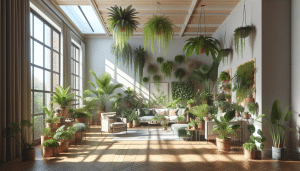
Grouping different species together can amplify humidity for your plant “family” and create a miniature indoor garden vibe. This clustering also helps with watering routines and highlights contrasts in color and leaf shape. Placing plants at varying heights—on shelves, standing pots, or hanging baskets—adds visual layers to any room and draws attention upward, making small spaces feel larger and more interesting.
Placing greenery in workspaces and social areas can subtly boost productivity and creativity. Plants soften harsh lines of furniture and electronics, helping reduce eye strain and creating a gentle, natural break in the visual monotony. Putting a few leafy friends on your desk or beside your reading chair makes both concentration and relaxation more accessible.
Essential Care Tips for Thriving Indoor Greenery
Caring for houseplants might seem daunting, but a little understanding goes a long way. Each species has unique needs, yet most thrive with consistent—but not excessive—watering, the right balance of light, and occasional fertilizing. Overwatering is a common misstep, so always check soil moisture before watering. Using pots with drainage holes and well-draining soil protects roots from rot and helps even busy plant lovers succeed.https://extension.umn.edu/house-plants/care-indoor-plants
Light can make or break your indoor plant’s health. In general, east and west-facing windows offer the ideal amount of light for most popular houseplants. For darker corners, try shade-tolerant options and consider artificial grow lights if needed. Dusting leaves gently every month keeps the plant’s surface open for photosynthesis—key for energy and growth. Also, rotating pots every few weeks ensures all sides receive sunlight evenly.
Don’t forget humidity and temperature. Most houseplants prefer room temperatures between 65 and 75 degrees Fahrenheit, with moderate humidity. In drier climates or winter months, placing plants on trays with pebbles and water or regularly misting leaves provides necessary moisture. With a checklist and a little observation, nearly any plant can become a thriving part of your home oasis.
Creative Decorating Ideas with Houseplants
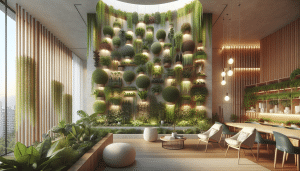
Indoor plants go far beyond traditional pots on windowsills. Many people design vertical gardens, layering leafy plants on shelves or wall-mounted planters to maximize space and style. String-of-pearls and pothos look dramatic draping down bookcases, while stand-alone indoor trees like rubber plants anchor corners or larger living rooms. Utilizing different sizes, colors, and textures makes each arrangement feel unique and intentional.https://www.gardendesign.com/houseplants/decorating.html
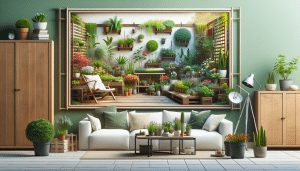
Plants can even be focal points in creative DIY projects. Some enthusiasts build tabletop terrariums with moss, stones, and petite ferns for a miniature landscape effect. Hanging plants in macramé baskets or lining a bathroom counter with small peace lilies or orchids adds a gentle spa-like feel. Terracotta and ceramic pots in coordinated colors provide a modern touch, while mixing in vintage planters can showcase personality.
In open-concept interiors, consider using large statement planters as subtle dividers. This breaks up space naturally without full walls, while keeping sightlines open. Adding greenery next to art, mirrors, or windows enhances depth and reflects soft green hues into the room. With a touch of imagination, houseplants become much more than accessories—they grow into the living heart of interior design.
Indoor Gardening for Wellness and Mindfulness
Bringing greenery inside is more than an aesthetic touch; it fosters mindfulness and well-being. Nurturing indoor plants requires a gentle daily routine—watering, pruning, and observing subtle changes. This process fosters awareness, patience, and gratitude, serving as a meditative break from life’s bustle. Many people notice improvements in mental clarity, concentration, and feelings of relaxation after spending time with their indoor garden.https://www.takingcharge.csh.umn.edu/ways-wellbeing-six-dimensions-wellness
Whether you’re working from home or looking for ways to enrich daily life, tending to houseplants adds comforting routines. Observing new growth or watching a flower bloom delivers small, consistent rewards. This sense of accomplishment can gently improve self-esteem and emotional well-being. Mindful plant care, even for a few minutes daily, creates a healthy break from screens and noise.
For families, caring for houseplants together can foster shared responsibility and connection. Children learn patience and respect for nature, while adults gain a mindful outlet for stress relief. In this way, indoor gardening becomes an ongoing wellness practice—one rooted in beauty and the rhythms of nature that quietly enrich home life for everyone involved.
References
1. U.S. Environmental Protection Agency. (n.d.). Indoor Air Pollution: An Introduction for Health Professionals. Retrieved from https://www.epa.gov/indoor-air-quality-iaq/indoor-air-pollution-introduction
2. Lee, M. S., et al. (2015). Interaction with indoor plants may reduce psychological and physiological stress by suppressing autonomic nervous system activity in young adults: A randomized crossover study. Retrieved from https://www.ncbi.nlm.nih.gov/pmc/articles/PMC4419447/
3. Clemson Cooperative Extension. (n.d.). Houseplant Care Series: Plant Benefits. Retrieved from https://hgic.clemson.edu/factsheet/houseplant-care-series-plant-benefits/
4. ASPCA. (n.d.). Toxic and Non-Toxic Plants List. Retrieved from https://www.aspca.org/pet-care/animal-poison-control/toxic-and-non-toxic-plants
5. University of Minnesota Extension. (n.d.). Care of Indoor Plants. Retrieved from https://extension.umn.edu/house-plants/care-indoor-plants
6. University of Minnesota Earl E. Bakken Center for Spirituality & Healing. (n.d.). Six Dimensions of Wellbeing. Retrieved from https://www.takingcharge.csh.umn.edu/ways-wellbeing-six-dimensions-wellness

 Unlock Entrepreneurial Success Paths You May Overlook