You Can Transform Small Spaces With Vertical Gardens
Thaddeus Crowley October 13, 2025
Discover how vertical gardens bring life to compact spaces, improve indoor air quality, and allow anyone to grow lush greenery even without a backyard. This guide explores creative design ideas, practical care tips, and how vertical gardening can boost both wellness and home value.
Why Vertical Gardens Are Changing Small Spaces
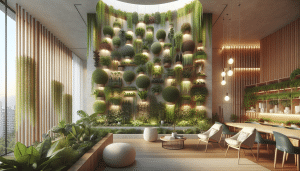
Many people with limited yards or apartment balconies are turning to vertical gardens for a breath of fresh air inside their homes. Vertical gardening uses walls, trellises, and shelves to grow plants upward, not outwards, making it an option even for the tiniest spaces. Whether in kitchens or living rooms, these green installations can enhance your environment while requiring minimal square footage. The demand for indoor vertical gardens is rising rapidly, largely because people are searching for simple and sustainable ways to liven up their décor and improve their overall well-being. Vertical gardening quickly transforms a plain wall into a thriving, upright oasis that boosts both style and function.
Vertical gardens go beyond simple aesthetics. They purify indoor air by absorbing toxins, increasing oxygen, and even moderating humidity. NASA and wellness researchers have shown that living plants can reduce the presence of indoor pollutants, making the air cleaner and fresher (Source: NASA Clean Air Study). Adding a vertical garden can contribute to a healthier indoor climate, especially in urban homes or workplaces where outside air may not be ideal. They help make spaces more relaxing, which in turn can support focus and mental clarity—welcomed benefits in today’s busy environments.
While people may think of vertical gardens as purely decorative, many use them for food, too. Imagine harvesting fresh lettuce, herbs, or strawberries right from your living room wall. With options like modular planter kits and hydroponic systems, even those without traditional gardening experience can enjoy fresh produce. It’s easy to see how a vertical garden can add value to apartment living and offer unique culinary inspiration. Small-space gardeners now have creative ways to cultivate their own food supply, directly from walls, railings, or window sills.
Planning Your Own Vertical Garden
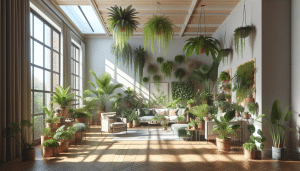
Vertical garden design begins with selecting the right spot. South-facing windows provide natural light, but even low-light rooms can support shade-loving plants. Consider places like kitchen backsplashes, entryway nooks, or even bathroom walls where humidity-loving plants—such as ferns and pothos—thrive. For outdoor vertical gardening, balcony walls and fencing make excellent choices. Think about water sources, sunlight, and how visible your garden will be from different rooms—this impacts plant selection and long-term upkeep.
Next, decide whether you want a DIY vertical garden or a ready-made modular kit. DIY options—like mounted pocket planters, stacked pallets, or hanging pots—offer full customization and budget control. Ready-made panel systems, often found at home improvement stores, come with built-in irrigation and easy planting grids, making them a practical solution for beginners. Research which materials suit your climate; for instance, recycled plastic holds moisture well, while wood planters need extra protection in humid rooms. If your garden will be outside, choose weather-resistant options and check what the maintenance requirements are over time (Source: Clemson Cooperative Extension).
Don’t forget about vertical garden supports—properly anchoring your setup ensures safety and longevity. For renters, removable adhesive hooks or pressure-mounted rails can allow a lush garden without permanent wall changes. Drip irrigation systems and self-watering planters simplify care and help plants thrive. By sketching out your design before installation and matching plants to site conditions, it’s possible for anyone to create a thriving vertical garden tailored to any small space.
Choosing Plants for Lush Vertical Growth
Plant selection makes or breaks your vertical garden. Foliage plants—such as philodendron, pothos, and ferns—provide reliable greenery and adapt well to both indoor and outdoor environments. Succulents like echeveria or sedum are drought-tolerant, perfect for busy people who want greenery with minimal care. Air plants offer a low-maintenance solution and do not require soil, making them ideal for creative wall gardens or geometric planters mounted on the wall.
Edible vertical gardens continue to grow in popularity. Many prefer culinary herbs such as basil, mint, and parsley for easy harvests, while lettuce and kale work great for salads. Tomatoes, strawberries, and beans have also been adapted for vertical setups. These edible plants offer a satisfying way to enjoy homegrown flavors, even for those with only a sunny window or a bright corner in the kitchen (Source: Royal Horticultural Society).
For maximum color, annual flowers like nasturtiums, petunias, and pansies lend seasonal flair. Mix trailing and upright varieties to create a living tapestry effect. Consider the mature size of each plant and its growing habits to ensure each one has enough space to flourish. Even in small apartments, the right mix of vertical garden plants can produce a continuous succession of color, scent, and texture throughout the year.
Vertical Gardening Techniques and Design Inspiration
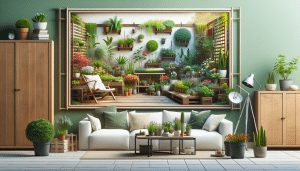
Living walls can take many forms. Some people use stacked planter boxes, while others prefer hydroponic towers. Modular wall planters allow for ever-changing designs—moveable pockets can be swapped out seasonally or to introduce different looks over time. A trellis or wire frame makes it easy to train climbing plants upward, maximizing use of wall space and creating privacy.
Pallet gardens are popular DIY projects. By upcycling old wooden pallets, gardeners create multiple planting pockets perfectly suited for greens or small blooms. For renters, shoe organizers or fabric pockets hung from doors work as quick, reversible wall gardens. These approaches demonstrate how vertical gardening doesn’t have to be expensive—resourceful ideas often deliver just as much visual impact as formal installations.
Blend lighting and art into your living wall. String lights, mirrors, or small shelves with sculptures can accentuate plant color and make the space feel bigger. Also, try grouping contrasting leaf shapes—round, spiky, broad—for a dynamic appearance. Whether aiming for an urban jungle or a minimalist display, imaginative vertical garden design transforms blank walls into lively home features (Source: Gardener’s Supply Company).
Keeping Your Vertical Garden Thriving
Ensuring healthy growth starts with watering. In a vertical garden, gravity affects moisture distribution, so self-watering planters or drip irrigation can save time and reduce the risk of dry spots. For hand-watering, always check the top and bottom planters—plants at the top dry faster than those below. Use containers with drainage holes to prevent waterlogging and root rot.
Lighting is essential. If sunlight is limited, supplement with grow lights designed to fit wall gardens or hanging structures. Fertilize every few weeks with a diluted liquid feed so plants continue to look lush. Trim and rotate plants regularly to balance the canopy and encourage even growth. It’s also important to watch for pests like aphids or spider mites; early action with water sprays or natural soap sprays keeps issues under control (Source: University of Minnesota Extension).
Maintenance may feel daunting at first, but routine care pays off with dramatic displays and thriving greenery. Plants that outgrow their spots can be pruned or moved to larger planters, while old soil should be refreshed at least once a year. With the right support, even beginners can build small-space vertical gardens that stay healthy and beautiful month after month.
Benefits That Go Beyond Decor
Vertical gardening contributes much more than visual appeal. Lush living walls act as natural insulation—helping regulate indoor temperature and may reduce energy costs. Studies have also shown that indoor greenery boosts concentration, reduces stress, and improves productivity. In offices and schools, employees and students often report increased satisfaction in green workplaces (Source: National Institutes of Health).
Homes with vertical gardens and other green infrastructure attract higher interest from buyers and renters. These features tap into growing consumer interest in sustainable and eco-friendly living. Even a compact wall garden can increase curb appeal, making apartments or condos feel bigger and more inviting. This extra touch helps set your living space apart in crowded real estate markets.
Exploring vertical gardening also builds gardening skills. People learn the basics of plant care, experiment with different layouts, and discover which species thrive. These lessons often inspire more ambitious projects, such as backyard raised beds or indoor grow lights. In many ways, a vertical garden is not just a trend—it’s a gateway to a lifelong appreciation for home gardening, healthy spaces, and mindful living.
References
1. Wolverton, B. C. (1989). Interior Landscape Plants for Indoor Air Pollution Abatement. NASA. Retrieved from https://ntrs.nasa.gov/api/citations/19930073077/downloads/19930073077.pdf
2. Khalil, F. (2022). Vertical Gardening. Clemson Cooperative Extension. Retrieved from https://hgic.clemson.edu/factsheet/vertical-gardening/
3. Royal Horticultural Society. Growing vegetables vertically. Retrieved from https://www.rhs.org.uk/advice/profile?pid=1011
4. Gardener’s Supply Company. Vertical Gardening How-To. Retrieved from https://www.gardeners.com/how-to/vertical-gardening/7812.html
5. University of Minnesota Extension. Vertical Gardening for All Spaces. Retrieved from https://www.extension.umn.edu/garden/yard-garden/landscaping/vertical-gardening
6. Bringslimark, T., Hartig, T., & Patil, G. G. (2009). The psychological benefits of indoor plants: A critical review of the experimental literature. National Institutes of Health. Retrieved from https://www.ncbi.nlm.nih.gov/pmc/articles/PMC4419447/

 AI in Everyday Life Will Surprise You