You Can Transform Small Spaces With Indoor Plants
Thaddeus Crowley October 20, 2025
Discover how indoor plants can revitalize your home, boost wellness, and bring natural beauty to any space. Learn practical tips for choosing, arranging, and caring for indoor plants—whether you live in a studio or a spacious house.
Why Indoor Plants Make a Difference
Indoor plants have become a staple of stylish and healthy homes. For those who crave greenery but may lack outdoor space, houseplants offer a connection to nature that’s within reach every day. Studies suggest that the presence of indoor plants can enhance air quality, increase humidity, and even improve mental well-being by reducing stress. Beyond basic aesthetics, these living accents contribute to a feeling of calm and rejuvenation, making them an ideal choice for anyone wanting to refresh their living environment.
Many find that the introduction of indoor plants brings subtle but important changes to daily rhythms. Tasks such as watering, pruning, and checking for growth can serve as mindful moments, helping to shape routines that are both calming and productive. Having indoor greenery may even spark creativity, making living spaces not just more beautiful but more inspiring as well. Moreover, certain species have been documented to purify the air by removing toxins—further elevating the health benefits of indoor planting. Plants like snake plants and peace lilies are renowned for these qualities and are easy for beginners to nurture.
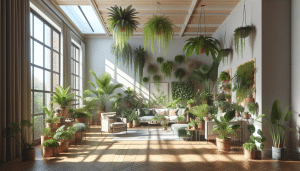
From a design perspective, indoor plants are versatile. They blend with all kinds of styles, from minimalist to eclectic. Whether placed on window sills, shelves, or hanging from the ceiling, houseplants introduce fresh texture and vibrant color. Their ability to soften hard lines or break up empty corners can help transform small or awkward spaces instantly. Bringing the outdoors in continues to be a popular home and garden trend, and it’s not hard to see why once the effects are experienced firsthand.
Choosing the Right Plants for Small Spaces
Space constraints shouldn’t hinder the dream of a mini indoor jungle. Compact houseplants, such as pothos, spider plants, and succulents, thrive in confined quarters. These varieties adapt well to low-light or indirect light situations found in many apartments. Professionals recommend assessing each room’s light conditions before selecting plants, as matching species to their ideal environment is key to long-term plant health (Source: https://hgic.clemson.edu/factsheet/indoor-plants-caring-for-houseplants/).
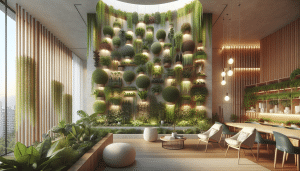
Vertical gardening is another compelling solution for small spaces. Wall-mounted planters, hanging baskets, or compact shelves can turn empty walls into lush living art. These arrangements not only maximize floor space but also draw the eye upward, creating a feeling of openness. For renters or those concerned about wall damage, free-standing plant ladders or tiered plant stands offer a portable, flexible alternative that accommodates a wide range of species and styles.
People living in homes with pets or children should also consider safety when selecting plants, avoiding any varieties known to be toxic if ingested. Luckily, there are plenty of pet-safe choices—including certain ferns and palms. A quick review of resources provided by reputable gardening organizations helps ensure both style and safety blend seamlessly at home (Source: https://www.aspca.org/pet-care/animal-poison-control/toxic-and-non-toxic-plants).
Arrangements That Maximize Impact
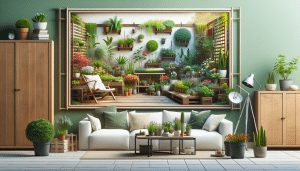
The arrangement of indoor plants plays a significant role in making the most of limited space. Grouping plants in odd numbers, such as threes or fives, tends to create a more natural and visually appealing effect. Mixing species with different leaf shapes, heights, and shades of green adds deep visual interest. Placing trailing plants on high shelves or in hanging baskets helps fill vertical space and brings gentle movement into the room.
To ensure healthy growth, avoid overcrowding individual containers—each plant needs enough airflow and room to expand. For those seeking a bold design statement, focusing on one striking specimen, such as a monstera or fiddle leaf fig, can anchor a room and become a unique conversational feature. For subtlety, scattered miniature succulents or air plants across bookshelves and desks add accent without cluttering the visual environment.
Choose containers that complement existing décor. Neutral-toned pots blend seamlessly, while bright ceramic or woven baskets can double as accents of color or texture. Consider grouping plants with similar care needs together to simplify maintenance routines. This approach not only helps the plants thrive but also enhances the overall harmony of the display.
Indoor Plant Care Made Simple
Beginning a journey into indoor gardening can be surprisingly manageable, even for those without prior experience. One of the most common tips from horticulturists is to start small—select two or three species with similar care requirements. Light exposure, water schedule, and humidity needs vary widely between plants, so reading care labels and checking reliable guides is key (Source: https://extension.psu.edu/ornamental-houseplants).
Consistency in routine usually leads to the healthiest plants. Using self-watering pots or setting reminders for watering helps reduce the risk of neglect or overwatering. Many indoor species benefit from occasional fertilization, especially in spring and summer when growth is most active. Equally important is monitoring for pests or diseases—yellowing leaves, webbing, or sticky residue may signal an issue that can often be resolved with prompt attention.
Indoor plants rarely require frequent repotting, but checking root health once a year ensures they’re not becoming root-bound. If leaves begin to brown or wilt, consider adjusting the plant’s position: sometimes even a few inches closer to natural light can make a significant difference. For those facing persistently low-light conditions, there are many stylish grow lights available now that integrate seamlessly into home designs (Source: https://www.gardeners.com/how-to/houseplant-lighting-guide/8762.html).
Health and Wellness Benefits of Indoor Plants
One of the compelling reasons for the ongoing popularity of indoor plants is their demonstrated impact on well-being. Research has revealed that simply being in the presence of plants can lower blood pressure, sharpen concentration, and even shorten recovery times from illness. Their ability to filter indoor air by removing volatiles such as formaldehyde or benzene brings an extra layer of support for those spending significant time at home (Source: https://www.ncbi.nlm.nih.gov/pmc/articles/PMC4419447/).
Many find that nurturing indoor plants brings a sense of comfort and achievement. The daily act of checking on plant health often becomes a habit associated with mindfulness. Houseplants like lavender or jasmine also emit delicate fragrances that contribute to a calming home atmosphere. This intersection of sensory, aesthetic, and emotional benefits has fueled various therapeutic movements centered around horticulture and indoor gardening.
Improved air quality is another central advantage cited by both environmental experts and health organizations. NASA’s famous Clean Air Study highlighted the most effective houseplants for filtering airborne toxins, emphasizing the value of incorporating greenery into modern living. These findings continue to inspire new generations of plant lovers eager to blend wellness and design (Source: https://www.nasa.gov/pdf/63895main_ffs_faqs.pdf).
Seasonal Tips and Troubleshooting Common Problems
Each season poses different challenges and opportunities for indoor plants. In winter, shorter daylight hours and drier air may require moving plants closer to windows or increasing humidity with a tray of water or a humidifier. During warmer months, increased growth activity can mean more frequent watering and a closer eye on signs of overexposure to sunlight. Gardeners advise adapting routines as the seasons shift to keep indoor greenery thriving year-round (Source: https://extension.umn.edu/houseplants/growing-indoor-plants).
Common problems like brown leaf tips, wilting, or leaf drop often result from either under- or overwatering. Diagnosing such issues begins with checking the roots and soil moisture before making adjustments to care routines. For pest management, non-toxic methods like neem oil or a mild soap spray usually suffice—highly chemical solutions are rarely necessary when addressed early.
Routine observation is perhaps the most important preventive step. By regularly inspecting each plant for unusual color changes, leaf spots, or signs of growth, corrective actions can be taken before small problems escalate. Local extension services and gardening societies often provide additional, region-specific resources for troubleshooting plant care, supporting enthusiasts at every stage of their journey.
References
1. Clemson Cooperative Extension. (n.d.). Indoor Plants: Caring for Houseplants. Retrieved from https://hgic.clemson.edu/factsheet/indoor-plants-caring-for-houseplants/
2. ASPCA. (n.d.). Toxic and Non-Toxic Plants. Retrieved from https://www.aspca.org/pet-care/animal-poison-control/toxic-and-non-toxic-plants
3. Penn State Extension. (n.d.). Ornamental Houseplants. Retrieved from https://extension.psu.edu/ornamental-houseplants
4. Gardener’s Supply Company. (n.d.). Houseplant Lighting Guide. Retrieved from https://www.gardeners.com/how-to/houseplant-lighting-guide/8762.html
5. Bringslimark, T., Hartig, T., & Patil, G.G. (2009). The psychological benefits of indoor plants: A critical review of the experimental literature. Retrieved from https://www.ncbi.nlm.nih.gov/pmc/articles/PMC4419447/
6. NASA. (n.d.). NASA Clean Air Study. Retrieved from https://www.nasa.gov/pdf/63895main_ffs_faqs.pdf

 Unexpected Gems for Your Next Solo Adventure