Media Bias Unveiled Why It Shapes What You Believe
Alaric Winslow December 3, 2025
Media bias is a hot topic that influences how news is reported and perceived across society. This article explores different types of media bias, why it matters, and how it shapes individual perspectives. Find practical insights on spotting bias and understanding its wider impact in the evolving news landscape.
What Is Media Bias and Why Does It Matter?
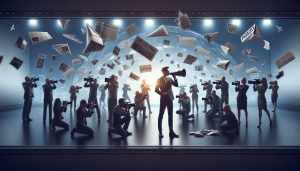
Media bias refers to the consistent slanting or partiality in news reporting where stories are presented in ways that favor particular interests, ideologies, or groups. At its core, bias often emerges through the selection of facts, framing of issues, and even tone of stories. It can occur intentionally when outlets strive to persuade or subtly, without malicious intent, as a byproduct of institutional or personal beliefs among journalists. Detecting media bias is a skill many readers are eager to sharpen as they become savvy about misinformation and news manipulation. Its significance is profound because it affects not just what is reported but also what is omitted, determining what society views as important or trivial. For those seeking to become informed news consumers, understanding the mechanisms of bias is a first step.
The impact of media bias extends into public perception and civic engagement. Many studies suggest that news outlets inadvertently (or at times, deliberately) guide how audiences interpret events by selecting certain words, order of facts, or types of images. This filtering can shape attitudes about politics, social issues, or international developments. It’s not just about what stories are told but also about whose voices are amplified and whose experiences get sidelined. In a digital environment with rapid information exchange, these influences become magnified, making bias detection ever more crucial.
As news platforms diversify with social media and online blogs joining traditional print and broadcast, the range and types of bias multiply. Some news consumers may seek ‘neutral’ reporting, yet every editorial decision—no matter how small—carries potential bias. The proliferation of echo chambers, where people see only opinions similar to their own, can further entrench these biases. Recognizing common forms of bias helps break this cycle by fostering healthy skepticism and encouraging research from multiple reputable sources.
Types of Media Bias Encountered in Reporting
News bias takes many shapes, each affecting perception differently. One of the most common is story selection bias, where some events are covered while others receive minimal attention. Coverage bias involves giving certain groups or topics disproportionate exposure. Placement bias, meanwhile, refers to the order and prominence of stories—leading news, for example, may sway viewers’ impressions by appearing more urgent or important. By understanding these forms, news consumers can become equipped to interpret coverage more thoughtfully.
Language bias surfaces in the subtle choices of words and phrases. Loaded terms, emotionally charged adjectives, or speculation masquerading as fact can nudge readers toward a specific point of view. Image bias emerges when certain photographs are chosen to evoke emotion, support an agenda, or manipulate sentiment. Omission bias occurs when crucial facts or context are left out, either through oversight or on purpose, skewing the reader’s understanding. Recognizing these biases demands a critical eye and ongoing attentiveness.
Framing bias also shapes narratives by presenting issues within a specific context or perspective, sometimes excluding alternative viewpoints or deeper context. For example, describing a protest as ‘rioting’ rather than ‘demonstrating’ can dramatically shift public opinion. Opinion-based reporting, when not clearly labeled, may blur lines between fact and commentary. In an era of blogs and opinion segments, distinguishing these becomes vital. Ultimately, learning to identify these types strengthens media literacy and self-awareness in news consumption.
How Media Bias Influences Public Opinion and Democracy
Media bias doesn’t just alter how stories are told; it can impact democracy by shaping popular opinion, policy debates, and voting patterns. When audiences receive skewed information, they may support decisions or candidates based on incomplete or misleading portrayals. This effect, especially when amplified by social media algorithms, can polarize societies and degrade informed public discourse.
Confirmation bias, where individuals seek news that matches preexisting beliefs, reinforces these divisions. Echo chambers can form, limiting access to alternative viewpoints and facts. Academic studies from reputable organizations highlight how biased news environments affect public priorities and trust in journalism. The cycle can erode civic engagement, leaving people less likely to question authority or seek out diverse sources of information.
Notably, some forms of bias are subtle and hard to spot, yet they still shape opinions over time. Agenda-setting occurs when media repeatedly highlights certain issues, subtly nudging readers and viewers to see them as more important. Even well-intentioned outlets can tilt coverage by focusing on conflict or negativity, influencing mood and decision-making. Recognizing this influence enables a more nuanced understanding of news and empowers citizens to become better decision-makers.
Tools and Strategies to Detect News Bias
Learning to spot media bias is a critical skill. One effective strategy is cross-referencing: readers should compare coverage from multiple reputable outlets. This approach exposes differences in wording, placement, and emphasis. Fact-checking organizations play a vital role by reviewing claims and identifying potential inaccuracies or slanted reporting.
Media literacy education—offered in schools, libraries, and nonprofit workshops—helps individuals evaluate sources, spot misleading headlines, and distinguish between news and opinion. Tools like browser extensions and nonprofit guides can assist in revealing political leanings of different news platforms. By equipping news consumers with analytical frameworks, such programs combat misinformation and build resilient, informed communities.
It’s also beneficial to recognize personal biases, which can affect how news is interpreted. Seeking out underrepresented perspectives, revisiting coverage from varying political backgrounds, and engaging in open conversations about conflicting interpretations help build well-rounded viewpoints. This self-awareness, combined with fact-checking and broad reading, decreases susceptibility to manipulation and increases confidence as an informed reader.
The Future of News and Media Literacy
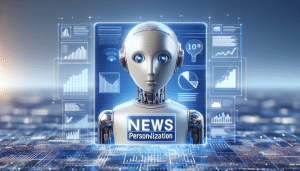
The media landscape evolves rapidly as digital platforms, AI-powered news feeds, and citizen journalism diversify sources of information. While this democratization offers unprecedented access, it also makes discerning truth from spin more challenging. Deepfake technology and AI-generated content raise concerns about authenticity and manipulation. Staying up to date with these trends is essential for any informed news consumer.
Challenges abound in maintaining transparency and accountability. Many organizations develop guidelines for ethical reporting and fact-checking. Nonprofits and research centers study media habits and propose solutions to, for example, foster open conversation or reduce filter bubbles. By following these developments, readers can stay aware of new detection tools and educational resources as they become available.
By promoting lifelong learning about media literacy, societies become more resilient to manipulation. Platforms, government agencies, and educators collaborate to create resources that help readers evaluate news with a critical mindset. As news shapes society, continuous education in bias detection and critical thinking ensures democratic values and informed decision-making remain at the forefront.
Why Understanding News Bias Matters For You
Grasping the nuances of media bias empowers individuals to make informed scientific, political, and financial decisions. News content underpins much of modern conversation, policy debate, and local engagement. By approaching media with skepticism and curiosity, readers gain control over their perspectives, rather than simply absorbing the slant of one outlet.
Understanding bias also improves dialogue in communities and families by encouraging diverse opinions rather than stoking division. Trusted institutions such as universities and think tanks provide guidelines for evaluating news sources and identifying misinformation. Drawing on these resources enhances knowledge and confidence in daily media interaction.
Finally, recognizing media bias is not about finding a perfect, completely neutral source—such a thing may not exist. Instead, it’s about engaging critically and thoughtfully, seeking corroboration, and staying open to new evidence. Informed news consumption strengthens societies, builds trust, and keeps democracy vibrant.
References
1. Pew Research Center. (2023). Americans’ Mistrust of News Media Deepens. Retrieved from https://www.pewresearch.org/journalism/2023/06/15/americans-mistrust-of-news-media-deepens
2. AllSides. (2023). Types of Media Bias. Retrieved from https://www.allsides.com/media-bias/types-of-bias
3. Media Literacy Now. (2022). Why Media Literacy Education Is Essential. Retrieved from https://medialiteracynow.org/why-media-literacy/
4. Nieman Foundation for Journalism at Harvard. (2023). How to Spot Bias in News. Retrieved from https://nieman.harvard.edu/articles/how-to-spot-bias-in-news/
5. Center for Media Engagement, University of Texas at Austin. (2022). News Literacy and Democracy. Retrieved from https://mediaengagement.org/research/news-literacy-and-democracy/
6. The News Literacy Project. (2022). Resources for Detecting Media Bias. Retrieved from https://newslit.org/resources/media-bias/

 Why Online Learning Platforms Matter More Than Ever