Uncover the Secrets of Sustainable Home Gardening
Thaddeus Crowley September 28, 2025
Discover how you can transform your living space and outdoor areas using sustainable home gardening tips. Learn practical techniques for growing healthier plants, saving water, and creating eco-friendly green spaces, all while enhancing property value.
Why Sustainable Gardening Matters
Sustainable gardening has surged in popularity for many reasons. Homeowners are increasingly aware of environmental impacts, with more people seeking low-waste, eco-friendly ways to grow plants and vegetables. This approach minimizes synthetic inputs and encourages the use of organic fertilizers and natural pest control, reducing pollution and promoting biodiversity. It’s not just about saving the planet. It’s also about cultivating a home environment that feels healthier and more rewarding every day.
Conserving water is a key motivation behind sustainable home gardening. Through water-smart methods like rainwater harvesting systems and mulching, homeowners can dramatically lower their garden’s water needs. Plants that thrive on less water not only lighten your utility bills, but they also stand resilient during dry spells where water restrictions might apply. These water-conscious solutions become vitally important as climate unpredictability increases, offering peace of mind alongside lush greenery (https://www.epa.gov/watersense/start-saving).
Beyond environmental impact, sustainable gardening positively influences personal well-being. The act of planting, tending, and harvesting in a mindful way can reduce stress, elevate mood, and provide a sense of accomplishment. Gardeners often find a deeper connection to the cycles of nature, which fosters patience and gratitude. Choosing native species, composting, and avoiding chemical runoff all contribute to a cleaner home and, with time, a thriving local ecosystem.
Starting an Eco-Friendly Garden from Scratch
Building a sustainable garden begins with smart planning. Site selection is crucial—consider the hours of sunlight, common wind patterns, and drainage. Prioritize areas that receive plenty of sun for vegetable patches, reserving shaded spots for ornamentals or shade-loving groundcovers. Soil health is another foundation of eco-friendly gardening. Invest time to understand your soil’s composition and structure, and enrich it naturally with compost before planting for nutrient retention and soil life enhancement (https://extension.psu.edu/sustainable-home-landscapes).
Choosing the right plants lays the groundwork for long-term success. Native plants are adapted to local climates and generally require fewer resources. Perennials offer another smart choice, returning year after year with less need for constant replanting. For vegetables, heirloom varieties or disease-resistant seeds can reduce reliance on chemical interventions. Researching suitable plant species for your region not only boosts resilience but also creates a more harmonious landscape.
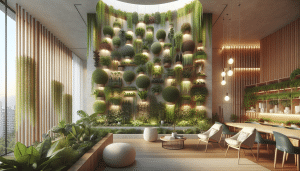
Sustainable garden design often blends function with beauty. Raised beds, companion planting, and crop rotation all support healthier soil and minimize pest pressure. Compost bins, worm farms, and natural mulches recycle household waste back into the garden, closing the nutrient loop. Even small spaces can flourish—try vertical gardens, container plantings, or edible landscaping to maximize your growing area with minimal impact.
Practical Water Conservation for Home Gardens
Watering habits shape the sustainability of any home garden. Drip irrigation systems deliver moisture directly to the plant roots, drastically reducing evaporation and run-off. Soaker hoses and water timers further automate and optimize water use, helping to maintain consistent soil moisture with minimal waste. Mulching is a simple practice that preserves soil dampness, suppresses weeds, and cuts down on the need to water frequently.
Rainwater harvesting offers a powerful solution for eco-minded households. By connecting rain barrels or cisterns to downspouts, it’s possible to capture rainfall for use during dry periods. Collected rainwater is typically chemical-free and ideal for irrigating vegetable beds, fruit trees, and ornamental plantings. Pair this method with drought-tolerant species and you’ll reduce reliance on municipal supplies even more, ensuring your home garden thrives through challenging weather (https://www.nrcs.usda.gov/conservation-basics/natural-resource-concerns/water/rainwater-harvesting).
Smart scheduling is another overlooked strategy. Early-morning or late-afternoon watering can minimize evaporation compared to midday irrigation. Regularly checking soil moisture before watering prevents both over- and under-watering, which boosts plant health and conserves resources. For tech-savvy gardeners, moisture sensors and weather-integrated controllers can automate and refine these routines, combining traditional wisdom with modern convenience.
Natural Soil Improvement Techniques
Healthy soil forms the backbone of sustainable gardens. Organic matter such as compost, leaf mold, and well-rotted manure nourish the earth over time, promoting structure and retaining moisture. These amendments support beneficial microbes and earthworms, which in turn foster robust root systems and suppress disease. Weekly top-dressing with compost makes a big difference, and starting a compost pile is easier than many think (https://www.epa.gov/recycle/composting-home).
Cover cropping, also known as green manuring, provides soil with ongoing protection and enrichment. Fast-growing non-edible species like clover, winter rye, or vetch fix nitrogen, smother weeds, and shield the land from erosion in off-seasons. When turned in before planting, they break down to boost organic content. Crop rotation—planting a different family of crops in successive seasons—breaks up pest cycles and maintains a healthy growing environment.
Minimizing soil disturbance is equally important. No-till methods, which leave soil layers undisturbed, help retain carbon, moisture, and delicate soil life. Spreading mulch over bare soil fends off weeds and limits the need for chemical controls. The results are visible: improved plant vigor, higher yields, and fewer problems with compaction, erosion, and nutrient loss. It’s a holistic approach for healthier harvests year after year.
Eco-Friendly Pest and Disease Controls
Integrated pest management (IPM) forms the cornerstone of chemical-free gardening. Monitoring plant health, attracting helpful insects, and using cultural practices all reduce the need for harsh pesticides. Ladybugs, lacewings, and parasitic wasps are friends to the organic gardener. By providing habitats like insect hotels and flowering borders, it’s possible to boost beneficial insect populations, naturally balancing pests and pollinators (https://ipm.ucanr.edu/GENERAL/pestman.html).
Physical barriers such as row covers or netting shield crops from insects and birds without chemicals. Hand-picking pests, spot-treating outbreaks with soapy water, or using organic-certified sprays like neem oil or horticultural oils can contain minor infestations. For disease resistance, proper airflow and good sanitation practices make plants less likely to succumb to problems—it’s all about prevention over reaction.
Crop diversity confuses pests and breaks up disease cycles. By interplanting vegetables, herbs, and flowers, gardeners foster a polyculture that both produces more and suffers less from outbreaks. Choosing disease-resistant varieties and rotating crops seasonally give plants the chance to thrive without constant intervention. Over time, each of these methods creates a resilient, self-sustaining garden that grows greener with every season.
Improving Home and Community with Green Spaces
Home gardens achieve more than just a pretty yard. Green spaces provide local food, support pollinators, and act as habitats for wildlife. With edible landscaping, fruit trees, or pollinator-friendly flower beds, individual gardeners become stewards of biodiversity. Tree canopies shade homes, lowering cooling costs, while plants filter air pollution and produce oxygen—a win for environmental and human health alike (https://www.arborday.org/trees/benefits.cfm).
Community gardening projects multiply these benefits. Shared urban spaces for growing food bring together neighbors, create educational opportunities, and offer nutritious harvests to more people. They can also transform vacant lots or underutilized land into green oases that reduce crime and foster pride. Whether managing a backyard plot or pitching in at a nearby park, even small improvements can spark wider neighborhood change.
Positive home gardening practices also ripple into daily life. Kids participating in planting learn about responsibility and science hands-on. Adults find fresh, affordable produce within reach, lowering grocery bills and encouraging wholesome eating habits. Composting kitchen scraps cuts down on landfill waste, and every new flower, bush, or tree adds value to a property—while creating a legacy for future generations to enjoy.
References
1. United States Environmental Protection Agency. (n.d.). WaterSense: Start Saving. Retrieved from https://www.epa.gov/watersense/start-saving
2. Pennsylvania State University Extension. (n.d.). Sustainable Home Landscapes. Retrieved from https://extension.psu.edu/sustainable-home-landscapes
3. United States Department of Agriculture, NRCS. (n.d.). Rainwater Harvesting. Retrieved from https://www.nrcs.usda.gov/conservation-basics/natural-resource-concerns/water/rainwater-harvesting
4. United States Environmental Protection Agency. (n.d.). Composting at Home. Retrieved from https://www.epa.gov/recycle/composting-home
5. University of California, Integrated Pest Management Program. (n.d.). Pest Management Guidelines. Retrieved from https://ipm.ucanr.edu/GENERAL/pestman.html
6. Arbor Day Foundation. (n.d.). Benefits of Trees. Retrieved from https://www.arborday.org/trees/benefits.cfm

 AI in Everyday Life Unlocked What Surprised Users Most