Sustainable Gardening Practices for Urban Homes
Thaddeus Crowley September 19, 2025
Urban living often limits outdoor space, but sustainable gardening allows city dwellers to cultivate greenery responsibly. Sustainable gardening practices for urban homes focus on reducing environmental impact, conserving resources, and promoting biodiversity. By adopting eco-friendly strategies, urban gardeners can enjoy fresh produce, improve air quality, and contribute positively to their local ecosystem.
This article explores practical approaches for creating sustainable gardens in urban environments.

Urban living often limits outdoor space, but sustainable gardening allows city dwellers to cultivate greenery responsibly. Sustainable gardening practices for urban homes focus on reducing environmental impact, conserving resources, and promoting biodiversity. By adopting eco-friendly strategies, urban gardeners can enjoy fresh produce, improve air quality, and contribute positively to their local ecosystem.
This article explores practical approaches for creating sustainable gardens in urban environments.
1. Container and Vertical Gardening
Limited space in urban homes can be maximized through container and vertical gardening techniques.
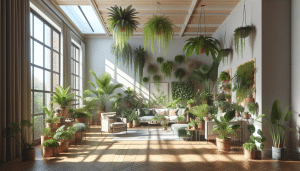
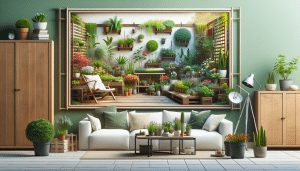
- Use pots, planters, and raised beds to grow vegetables, herbs, and flowers on balconies or rooftops.
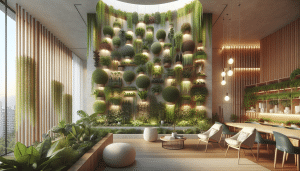
- Implement vertical planters or wall-mounted gardens to maximize usable space.
- Choose lightweight, durable materials for containers to facilitate movement and maintenance.
According to Urban Agriculture Magazine (2023), container and vertical gardening allow city residents to cultivate plants efficiently while enhancing aesthetic appeal.
2. Water Conservation Techniques
Sustainable urban gardens prioritize efficient water use to reduce waste and support plant health.
- Install drip irrigation systems to deliver water directly to plant roots.
- Collect rainwater using barrels or storage tanks for irrigation.
- Apply mulch to retain soil moisture and reduce evaporation.
The American Water Works Association (2023) highlights that water-efficient practices in urban gardens can reduce consumption by up to 40% compared to conventional watering methods.
3. Composting and Organic Waste Management
Recycling organic waste supports soil fertility and reduces landfill contributions.
- Set up home compost bins to convert kitchen scraps and yard waste into nutrient-rich compost.
- Use vermicomposting with worms for faster decomposition and higher-quality fertilizer.
- Apply compost to soil beds and container plants to improve growth naturally.
Research from Rodale Institute (2022) indicates that home composting enhances soil health, reduces chemical fertilizer dependence, and supports sustainable urban gardening.
4. Native and Drought-Resistant Plants
Choosing the right plants reduces maintenance and conserves resources.
- Select native species adapted to local climate conditions for resilience and biodiversity support.
- Incorporate drought-tolerant plants to minimize irrigation needs.
- Group plants with similar water and sunlight requirements to optimize care.
According to National Gardening Association (2023), native and drought-resistant plants improve garden sustainability and reduce environmental impact in urban settings.
5. Pollinator-Friendly Gardens
Encouraging pollinators supports ecological balance and enhances plant productivity.
- Plant nectar-rich flowers to attract bees, butterflies, and hummingbirds.
- Avoid chemical pesticides that harm beneficial insects.
- Provide water sources and shelters for pollinators within garden areas.
The Pollinator Partnership (2022) reports that urban pollinator gardens contribute to biodiversity and improve fruit and vegetable yields in home gardens.
6. Use of Eco-Friendly Fertilizers and Pest Management
Sustainable gardening reduces chemical inputs to protect the environment and human health.
- Apply organic fertilizers like compost tea, fish emulsion, or seaweed extract.
- Implement integrated pest management (IPM) using natural predators and biological controls.
- Avoid synthetic chemicals that can contaminate soil and water.
Research from Journal of Sustainable Agriculture (2023) highlights that eco-friendly fertilization and pest management maintain soil health and reduce environmental pollution.
7. Seasonal and Crop Rotation Practices
Planning crops seasonally and rotating plant families preserves soil nutrients and prevents disease.
- Grow seasonal vegetables and herbs to align with local climate cycles.
- Rotate crops to avoid depleting specific nutrients from soil.
- Incorporate cover crops during off-seasons to maintain soil health.
According to Urban Farming Research (2022), crop rotation and seasonal planning enhance yield, reduce pests, and sustain soil fertility in urban gardens.
Conclusion
Sustainable gardening practices for urban homes empower city dwellers to cultivate greenery responsibly while conserving resources and supporting biodiversity. Container gardening, water conservation, composting, native plants, pollinator-friendly strategies, eco-friendly fertilizers, and crop rotation all contribute to a resilient and productive urban garden.
By integrating these practices, urban homeowners can enjoy fresh produce, improved aesthetics, and a healthier environment, making sustainable gardening both rewarding and ecologically beneficial.
References
Urban Agriculture Magazine (2023). Container and Vertical Gardening in Cities. Available at: https://www.urbanagriculturemagazine.com
American Water Works Association (2023). Water Efficiency in Urban Gardens. Available at: https://www.awwa.org
Rodale Institute (2022). Composting for Urban Garden Sustainability. Available at: https://www.rodaleinstitute.org
National Gardening Association (2023). Native and Drought-Resistant Plants. Available at: https://www.garden.org

 Strategies for Small Business Growth in 2025