Steps to Create an Inspiring Workspace at Home
Thaddeus Crowley September 17, 2025
In recent years, remote work has become a norm for many, making it essential to have a workspace that fosters creativity, productivity, and well-being. Creating an inspiring workspace at home isn’t just about having a desk and a chair—it’s about cultivating an environment that sparks motivation and supports focus. Whether you’re a freelancer, entrepreneur, or remote worker, a well-organized and thoughtfully designed workspace can significantly enhance your workday.
This article will walk you through key steps to create a workspace that helps you stay energized, organized, and inspired.
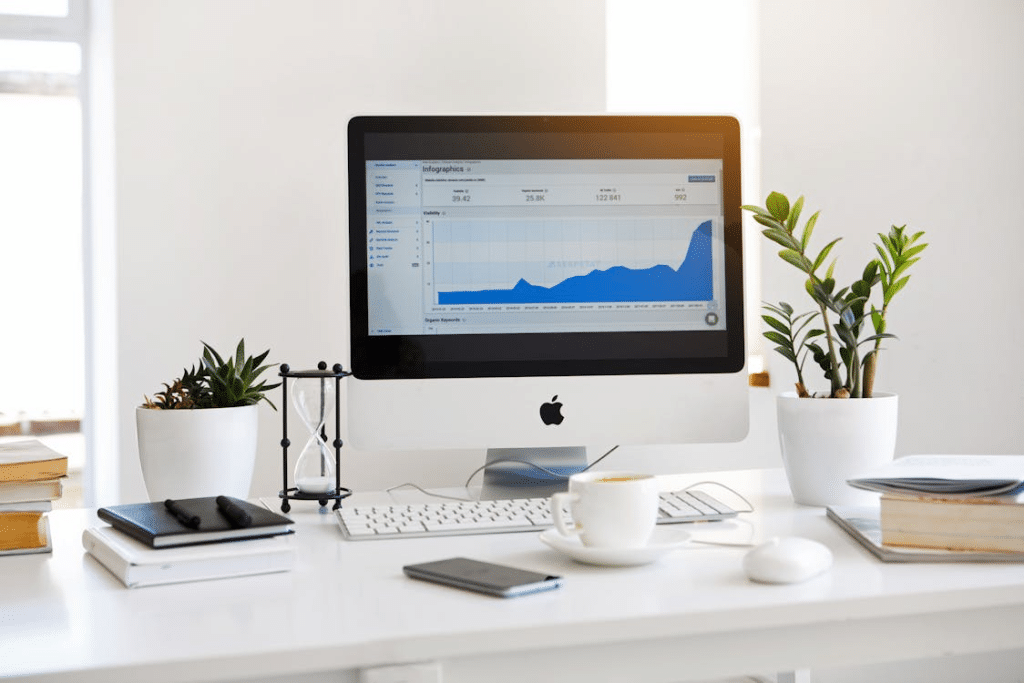
1. Choose the Right Location
The first step in creating an inspiring workspace is selecting the ideal location in your home. Your workspace should be in an area where you can focus but also feel comfortable and energized.
- Natural light is key for productivity and mood. If possible, position your desk near a window to take advantage of daylight.
- Consider quiet areas that are free from distractions. If you don’t have a separate room, use room dividers or curtains to create boundaries.
- Choose a location that allows for personalization—whether it’s in a cozy corner or a spacious room, ensure it reflects your style.
According to the American Psychological Association (2022), access to natural light and a quiet environment improves mental health and work performance.
2. Invest in Ergonomic Furniture
Comfort is critical when designing a workspace, especially if you spend long hours at your desk. Ergonomic furniture helps reduce physical strain and improves posture.
- Invest in a comfortable chair with adjustable height and lumbar support.
- Choose a desk that fits your needs, whether it’s for standing or sitting. Standing desks or convertible desk setups are great for alternating positions throughout the day.
- Keep your desk at a height that allows for neutral wrist positioning to prevent strain.
A study from the National Institute for Occupational Safety and Health (2021) confirms that ergonomic work setups can reduce the risk of musculoskeletal disorders by up to 60%.
3. Declutter and Organize
An organized workspace is key to maintaining focus and reducing stress. When your environment is cluttered, it can lead to distractions and decreased productivity.
- Use organizational tools like file holders, drawer organizers, and cable management solutions to keep your workspace tidy.
- Purge unnecessary items that don’t serve a function or contribute to your work.
- Have a designated space for personal items, so your workspace remains clean and professional.
Research from the University of Minnesota (2022) found that an organized workspace is correlated with improved focus and productivity, reducing cognitive overload.
4. Incorporate Personal Touches
An inspiring workspace should reflect your personality and provide an emotional connection to your work. Adding personal touches helps foster a positive atmosphere and makes the space more inviting.
- Display motivational quotes or artwork that resonates with your values and goals.
- Keep items that inspire you, like plants, photos, or travel memorabilia, to create a sense of joy and connection.
- Consider using color psychology: warm tones like yellow and orange can increase energy and creativity, while blue and green can promote calm and focus.
A 2023 study in Psychology Today suggests that personalized spaces contribute to increased happiness and work satisfaction, leading to better overall productivity.
5. Create Functional Zones
If you’re working from home full-time, it’s important to create functional zones that separate your work area from relaxation or entertainment spaces. This helps to mentally distinguish between work and downtime.
- Use room dividers or furniture placement to create distinct areas for work and leisure.
- Incorporate a reading nook or creative space within your workspace for relaxation and inspiration.
- Organize storage efficiently to keep work materials separate from personal items.
Research from the Harvard Business Review (2022) emphasizes that having clearly defined zones within a home workspace reduces stress and enhances focus.
6. Integrate Technology and Tools for Efficiency
Technology can make your workspace more efficient, but it’s important not to overdo it. Focus on the tools that are essential for your workflow and help you stay organized.
- Use dual monitors for better multitasking and increased productivity.
- Invest in a wireless keyboard and mouse to reduce clutter and improve ergonomics.
- Consider smart assistants like Alexa or Google Home to set reminders, schedule tasks, or control your workspace lighting.
A 2023 study from Forbes suggests that incorporating the right technology into your workspace can improve efficiency by up to 25%, particularly when using tools that streamline communication and task management.
7. Focus on Lighting
Lighting plays a critical role in creating an inspiring workspace. It impacts both mood and energy levels, and it’s essential for preventing eye strain and fatigue.
- Use task lighting for your desk to illuminate specific areas where you work most.
- Ambient lighting around the room can create a calming atmosphere.
- Avoid harsh overhead lights—opt for warm LED lights that are easier on the eyes.
The National Sleep Foundation (2023) reports that proper lighting in your workspace can improve productivity, reduce eye strain, and even improve sleep patterns.
8. Add Inspirational Sound or Music
Sound can play an important role in enhancing creativity and focus. Consider using sound to transform your workspace into an environment that boosts productivity and inspiration.
- Use white noise machines or background music to block out distractions.
- Choose focus playlists or calming instrumental music to create a peaceful working environment.
- Experiment with different sounds—some people thrive with background music, while others may prefer silence.
A 2022 study from the University of Miami found that ambient sounds and music are proven to increase focus and enhance cognitive performance in work environments.
Conclusion
Creating an inspiring workspace at home requires a blend of thoughtful design, organization, and personalization. By investing in ergonomic furniture, optimizing your lighting, and incorporating personal touches, you can transform your home office into a space that fosters creativity and productivity.
Whether you’re working from home full-time or just need a dedicated spot to focus, the right workspace can make all the difference in your overall work experience.
References
American Psychological Association (2022). The Impact of Natural Light on Mental Health and Productivity. Available at: https://www.apa.org
National Institute for Occupational Safety and Health (2021). Ergonomics and Workplace Health. Available at: https://www.cdc.gov
University of Minnesota (2022). The Psychology of a Clutter-Free Workspace. Available at: https://www.umn.edu
Psychology Today (2023). The Power of Personalizing Your Workspace. Available at: https://www.psychologytoday.com
Harvard Business Review (2022). Creating Functional Workspaces for Remote Employees. Available at: https://hbr.org
Forbes (2023). The Role of Technology in Modern Workspaces. Available at: https://www.forbes.com
National Sleep Foundation (2023). The Importance of Lighting in Workspaces. Available at: https://www.thensf.org
University of Miami (2022). The Influence of Sound on Work Performance. Available at: https://www.miami.edu

 Strategies for Building Resilient Entrepreneurial Teams