Secret Benefits of Indoor Plants for Your Space
Thaddeus Crowley September 27, 2025
Discover how bringing indoor plants into your home does more than just beautify your rooms. Learn about their hidden health benefits, the ways they enhance indoor air quality, and tips for selecting the right greenery for any living space.
Why Indoor Plants Transform Your Living Space
Indoor plants are often chosen for their decorative appeal, but their influence stretches far beyond aesthetics. Adding green foliage to a home instantly makes interiors more inviting and uplifting. Studies consistently show that the mere presence of indoor greenery can positively affect mood, making spaces feel both more lively and relaxing at the same time. It’s not just visual—our brains respond to natural elements with feelings of calm and renewed energy. As interior design trends evolve, homeowners increasingly seek out ways to bring these natural benefits inside and create a sanctuary in the middle of urban environments.
The value of indoor plants extends to improving the acoustics and overall ambiance of your rooms. Their leaves and stems soften sound, reducing noise in apartments or homes with open floor plans. Plants such as rubber trees and palms are particularly effective at dampening background hum, making any space more conducive to relaxation and focus. For those living in busy households or shared spaces, adding just a few leafy companions can noticeably lower distractions, providing a comforting buffer that enhances both privacy and comfort. In addition to their functional perks, indoor plants also offer endless styling opportunities—mixing various leaf shapes, textures, and colors for unique interior expressions.
It’s not just about style—there’s science behind the sense of well-being that indoor plants promote. Their ability to help regulate humidity and keep environments fresh is linked with reduced symptoms of dry skin, irritated eyes, and respiratory discomfort, especially in winter months when heating can sap moisture from the air. When thoughtfully chosen and placed, indoor plants can become a signature of wellness in your space, quietly supporting both your physical health and your sense of home. This blend of visual, acoustic, and wellness improvements is a fundamental reason indoor gardening continues to grow in popularity.
Improving Air Quality: What You Don’t See
People are often surprised by how much indoor plants can influence air quality. Several studies by universities and health organizations suggest certain species, such as spider plants, pothos, and peace lilies, may reduce airborne pollutants and volatile organic compounds (VOCs) emitted by furniture, paints, and cleaning supplies (https://www.nasa.gov/topics/earth/features/plant-air-purifiers.html). While plants alone won’t replace a good ventilation system, they contribute a measurable improvement to indoor air freshness. Their leaves absorb gases through pores called stomata and, in doing so, help neutralize potential toxins naturally.
The benefit goes beyond toxin reduction. Greenery releases water vapor in a process called transpiration, lifting overall humidity levels and reducing static electricity. In offices or homes with artificial heating or air conditioning, which tend to dry out the environment, this subtle moisture release from plants provides relief to skin, eyes, and respiratory tracts. Selecting a mix of air-purifying and high-transpiration varieties—like Boston fern or areca palm—can supercharge a room’s feeling of vitality, making it easier to breathe and more comfortable over long periods.
Air quality improvement isn’t a passive process. To harness the most from your indoor plants, it’s important to match plant species to the potential air pollutants commonly present in your home. For example, snake plants are believed to be especially effective against formaldehyde. A diverse grouping of potted plants, placed in frequently used spaces, can work synergistically to enhance indoor living. The result is subtler, yet noticeable—over time, occupants may experience fewer headaches, less dryness, and improved overall wellness, all thanks to these natural air managers.
Boosting Mood and Managing Stress at Home
More than ever, people seek small, tangible ways to manage day-to-day stress. Research demonstrates that introducing indoor plants at home can support relaxation, decrease anxiety, and encourage positive outlooks, particularly during challenging periods (https://www.apa.org/monitor/2019/04/nurtured-nature). The simple habit of tending to living things, watering, or gently touching soft leaves stimulates mindfulness and a sense of responsibility. Such small acts can break cycles of worry, offering grounding rituals that bring joy to otherwise routine days.
Natural greenery also acts as a buffer in rooms where digital screens and artificial lighting dominate. Subtle movements of leaves in indoor breezes provide gentle visual stimulation, creating micro-moments of interest and rest for overworked eyes. Some studies note that people surrounded by plants report less mental fatigue after prolonged work, making houseplants a valuable ally in maintaining mental sharpness during long hours spent indoors. This restorative effect is particularly pronounced when individuals take active roles in caring for their plants, nurturing a reciprocal relationship that rewards attention with thriving growth.
Houseplants can also improve sleep and support emotional well-being. Lavender and jasmine, for instance, have natural scents that promote relaxation and make restful sleep more attainable. Placing calming plants in bedrooms or reading nooks transforms ordinary corners into spaces of comfort and recharge. Whether used to invigorate a workspace or create a restful retreat, the mood-boosting abilities of indoor plants grow as their roots do, multiplying across the home and enriching everyday experiences.
Choosing the Right Indoor Plants for Your Home
Not all indoor plants suit every environment or lifestyle. Assessing your home’s lighting, humidity, and your personal schedule is crucial in selecting the ideal varieties. Snake plants, ZZ plants, and pothos are popular for beginners because they thrive in low-light and require little maintenance. For lighter, sun-drenched rooms, succulents and cacti are standouts, enduring with little water but a need for plenty of sunshine. Matching plant care needs to your habits ensures success and avoids the disappointment of unhealthy plants.
Beyond care levels, it’s wise to consider the safety of certain species, particularly for households with pets or children. Some attractive indoor plants, like philodendron and dieffenbachia, can be toxic if ingested. Conversely, spider plants and Boston ferns are non-toxic and safe for curious paws or little hands (https://www.aspca.org/pet-care/animal-poison-control/toxic-and-non-toxic-plants). With the wide range of choices available at nurseries, big-box stores, and online, it’s easy to find beautiful, safe options that fit both your design taste and lifestyle needs.
Combining plants with varying heights, leaf patterns, and colors creates layers of natural interest. Large monstera or fiddle-leaf fig trees become focal points, while trailing pothos or English ivy soften bookshelves and window frames. Even in compact apartments, charming window gardens or small terrariums let anyone enjoy the perks of indoor gardening. The personalized approach—choosing what works for your space—ensures ongoing enjoyment and thriving, long-lived plants.
Care and Maintenance for Thriving Indoor Greenery
Keeping indoor plants healthy requires some basic attention, but most popular types are forgiving and resilient. Watering is the foundation: more common houseplants prefer soil that’s kept lightly moist but never soggy. Overwatering is the most frequent misstep, as stagnant roots are prone to rot. Allowing the top inch of soil to dry before watering again promotes healthy growth. Regularly removing yellow leaves and rotating pots ensures even exposure and prevents leggy or lopsided plants, keeping their appearance fresh and tidy.
Nutrition is another key for success. Indoor greenery needs supplemental fertilizer during their spring and summer growing seasons—liquid, organic blends are usually enough. Houseplants outgrow their containers over time and benefit from being gently repotted every year or two, which replenishes the soil, gives roots room to expand, and refreshes the plant’s overall vigor. Watching leaves for signs like drooping, browning edges, or slowed growth makes it simple to catch and address minor care issues before they become problems.
Light and airflow round out indoor plant success. Even low-light species benefit from occasional time in brighter rooms or breezes, as stagnant conditions can foster mold or pests. Wiping leaves with a damp cloth not only keeps dust at bay but also ensures optimal photosynthesis. Adopting these easy routines creates a rhythm in daily life that supports both the plant’s longevity and the ongoing benefits of sharing living space with green companions.
Creative Ways to Showcase Indoor Plants
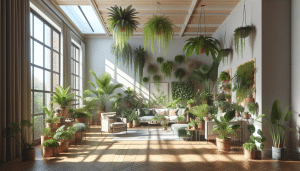
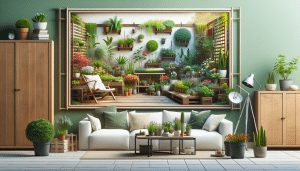
Display matters as much as plant choice. Grouping several species in a range of pots and stands lets you play with height and shape, turning any ledge or corner into a living showcase. Small succulents arranged on shelves, large leafy trees beside sofas, or elegant vining plants draped across window rods all introduce dynamic energy. Think vertically—hanging planters or wall-mounted containers fill bare walls with lush life, ideal for compact rooms where floor or table space is limited.
Mixing textures—glossy, broad leaves with feathery or spiky ones—creates visual contrast while keeping maintenance straightforward. Matching plants with your preferred decor style, whether minimalist, bohemian, or mid-century modern, helps integrate them seamlessly into the rest of your home. Using quirky pots, woven baskets, or even recycled jars brings an extra touch of personality and sustainability, showing that plant care and style complement each other perfectly.
Creative placement goes beyond decoration. Hanging ferns in bathrooms, herbs in sunny kitchens, or mood-boosting greenery on work desks transforms ordinary spaces into environments that inspire and calm. Each new arrangement invites experimentation and creativity. As you observe how your plants grow and react, you’ll find yourself naturally making room for more, both in your home and in your daily life.
References
1. NASA. (n.d.). Plants Clean Air and Water for Indoor Environments. Retrieved from https://www.nasa.gov/topics/earth/features/plant-air-purifiers.html
2. American Psychological Association. (2019). How being around nature helps you feel alive and focused. Retrieved from https://www.apa.org/monitor/2019/04/nurtured-nature
3. ASPCA. (n.d.). Toxic and Non-Toxic Plants List. Retrieved from https://www.aspca.org/pet-care/animal-poison-control/toxic-and-non-toxic-plants
4. Centers for Disease Control and Prevention. (2021). Improving Air Quality in Your Home. Retrieved from https://www.cdc.gov/air/indoor-air-quality/index.html
5. University of Nebraska-Lincoln Extension. (n.d.). Choosing Houseplants for Your Home. Retrieved from https://extension.unl.edu/statewide/douglas-sarpy/choosing-houseplants-for-your-home/
6. University of Vermont. (n.d.). Growing Houseplants Successfully. Retrieved from https://pss.uvm.edu/ppp/articles/houseplants.html

 Why Online Learning Keeps Changing How You Learn