Interior Design Trends That Promote Mental Wellbeing
Thaddeus Crowley September 23, 2025
In recent years, interior design has moved beyond aesthetics and functionality to focus on mental wellbeing. Interior design trends that promote mental wellbeing aim to create spaces that not only look good but also enhance emotional health, reduce stress, and promote relaxation. Whether it’s through the use of calming colors, ergonomic furniture, or biophilic elements, these design trends have been proven to improve mood and mental clarity.
This article explores how thoughtful interior design can positively impact mental health and wellbeing, discussing trends such as biophilic design, minimalist spaces, color psychology, and the incorporation of natural light.
1. Biophilic Design: Bringing Nature Inside
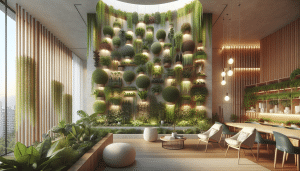
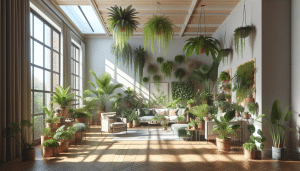
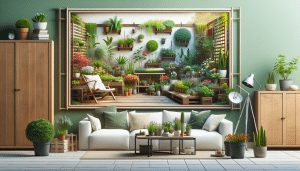
Biophilic design is a trend that connects the indoors with nature, and studies have shown that exposure to nature improves mental health and reduces stress.
- Indoor plants: Adding plants such as snake plants, peace lilies, and succulents can purify the air, enhance mood, and increase productivity.
- Natural materials: Use wood, stone, and bamboo for furniture and decor to mimic natural elements, promoting a calm and soothing atmosphere.
- Nature-inspired colors: Earth tones like greens, browns, and soft blues can evoke a sense of peace and tranquility.
Frontiers in Psychology (2023) reports that biophilic design helps reduce anxiety, promotes positive emotions, and enhances cognitive function by incorporating natural elements into living spaces.
2. Minimalism: Simplifying for Mental Clarity
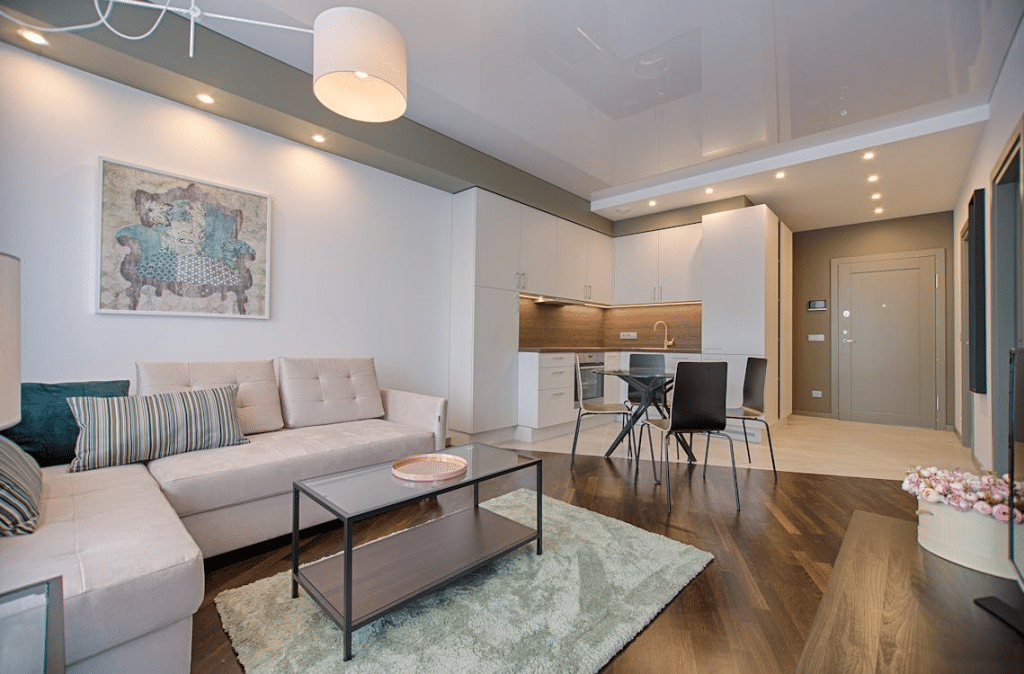
A minimalist design focuses on simplicity and functionality, helping to reduce visual clutter and create a calming environment.
- Decluttered spaces: Opt for furniture and decor that are practical yet visually clean. Minimalism promotes the idea of “less is more,” making spaces feel less overwhelming.
- Neutral color palettes: Soft whites, greys, and muted pastels create a serene environment that does not overstimulate the mind.
- Functional furniture: Choose pieces that serve a dual purpose, such as storage ottomans or convertible sofa beds, to keep the space tidy and organized.
Harvard Health Publishing (2023) states that minimalist interiors can reduce stress by promoting a sense of order and calm, leading to improved mental clarity and focus.
3. Calming Colors: The Psychology of Color in Design
Colors play a significant role in shaping our emotions and mental states. By using specific colors, interior design can enhance mood, reduce stress, and promote a positive environment.
- Blues and greens: These colors are associated with calmness and relaxation. Soft blues, in particular, have been shown to reduce anxiety and lower blood pressure.
- Warm neutrals: Beige, taupe, and warm greys create a cozy, grounding effect, helping people feel secure and relaxed.
- Pastels: Soft pinks, lavenders, and peaches are calming, fostering a sense of tranquility and serenity.
Journal of Environmental Psychology (2023) reports that colors like blue and green can help lower stress levels, improve concentration, and create an overall sense of peace and wellbeing.
4. Ergonomic Furniture: Enhancing Comfort and Health
Furniture that supports proper posture and comfort is essential for mental and physical health. Ergonomic design reduces physical strain, helping to prevent discomfort and stress.
- Ergonomic chairs: For workspaces, ergonomic chairs with adjustable height, lumbar support, and armrests promote comfort and reduce strain on the back and neck.
- Standing desks: Incorporating a standing desk or a desk converter encourages movement and reduces the negative impact of prolonged sitting.
- Supportive cushions: Use cushions and mattresses that promote proper alignment and relieve pressure points, leading to better sleep and reduced stress.
Ergonomics Journal (2023) highlights that ergonomic furniture not only prevents physical discomfort but also boosts productivity and reduces mental fatigue, making it crucial for promoting wellbeing in home and office spaces.
5. Natural Light: The Power of Sunlight
Exposure to natural light is crucial for regulating circadian rhythms, improving mood, and boosting productivity.
- Maximize natural light: Large windows, skylights, and open floor plans allow more natural light to flow into the space.
- Light-filtering curtains: Use light, sheer curtains that allow sunlight to filter through without creating glare, providing a warm and inviting atmosphere.
- Mirrors and reflective surfaces: Strategically placing mirrors or glossy surfaces in the room can help reflect light and brighten up darker corners.
Journal of Environmental Psychology (2023) reports that natural light improves mood, increases energy levels, and enhances cognitive function, contributing to better mental wellbeing and productivity.
6. Personalization: Creating a Space That Reflects You
Personalization helps create a sense of belonging and comfort in your home, which is essential for emotional wellbeing.
- Personal photos and artwork: Display personal photographs, artwork, or mementos that evoke positive memories and feelings.
- Hobby spaces: Create areas dedicated to hobbies like reading, painting, or crafting, allowing space for relaxation and creativity.
- Custom furnishings: Invest in furniture or decor that reflects your personality and style, making your space feel truly yours.
Journal of Environmental Psychology (2023) suggests that personalizing your living space increases feelings of ownership and comfort, fostering a deeper connection with your environment and enhancing mental wellbeing.
7. Sensory Design: Engaging All the Senses
Incorporating elements that engage all five senses can enhance the calming and soothing qualities of a space.
- Aromatherapy: Use essential oils or scented candles with calming scents like lavender, eucalyptus, or sandalwood to create a peaceful atmosphere.
- Textures: Soft, tactile materials such as velvet, cotton, or wool create a cozy and inviting space.
- Sound: Incorporate soundscapes, such as calming music or white noise machines, to promote relaxation and reduce environmental stressors.
As well as Frontiers in Psychology (2023) emphasizes that multisensory design—engaging the senses of sight, touch, smell, and sound—creates a harmonious environment that supports relaxation and emotional balance.
8. Sustainable and Eco-Friendly Design
Sustainability in interior design contributes to both personal and environmental wellbeing. Choosing eco-friendly materials not only reduces environmental impact but also promotes a sense of peace and connection to nature.
- Natural materials: Use sustainable materials such as bamboo, cork, or reclaimed wood to create a harmonious and environmentally friendly space.
- Energy-efficient appliances: Incorporate energy-efficient lighting and appliances to reduce your carbon footprint and contribute to a greener environment.
- Indoor air quality: Choose non-toxic paints, low-VOC materials, and air-purifying plants to ensure that your space promotes a healthy environment.
Therefore,environmental Health Perspectives (2023) reports that eco-friendly design not only benefits the planet but also improves the quality of life and mental health by creating healthier indoor environments.
9. Spaces for Relaxation and Mindfulness
Designing spaces for relaxation and mindfulness promotes emotional and mental wellbeing.
- Meditation corner: Create a designated space for meditation or yoga, with comfortable seating, calming colors, and minimal distractions.
- Reading nook: A quiet corner with comfortable seating and soft lighting can provide the perfect escape for relaxation and reflection.
- Zen-inspired spaces: Incorporate elements like small indoor fountains, smooth stones, and calming visuals to create a serene, meditative environment.
Therefore, Harvard Health Publishing (2023) highlights that having spaces for relaxation and mindfulness in the home promotes stress relief, emotional balance, and mental clarity.
10. Open Spaces for Social Connection
So, creating spaces that encourage social interaction and connection is vital for mental wellbeing.
- Open floor plans: Use open-concept living areas that allow easy movement and social interaction between family members or guests.
- Cozy communal spaces: Create cozy areas with seating arrangements that encourage conversation, such as around a central dining table or living room.
- Outdoor spaces: Design outdoor spaces, such as patios or balconies, where you can enjoy fresh air and socialize in a peaceful environment.
Social Science & Medicine (2023) suggests that fostering social connections within home spaces improves emotional support, reduces loneliness, and strengthens mental wellbeing.
Conclusion
Interior design trends that promote mental wellbeing focus on creating spaces that support relaxation, reduce stress, and enhance emotional health. By incorporating elements like biophilic design, calming colors, ergonomic furniture, and natural light, individuals can cultivate environments that boost mental clarity, mood, and productivity.
Designing your living space with wellbeing in mind helps create a peaceful sanctuary that nurtures both the body and mind, leading to improved quality of life and overall happiness.
References
Frontiers in Psychology (2023). Biophilic Design and Mental Wellbeing. Available at: https://www.frontiersin.org
Harvard Health Publishing (2023). The Impact of Home Design on Mental Health. Available at: https://www.health.harvard.edu
Journal of Environmental Psychology (2023). Minimalist Design and Stress Reduction. Available at: https://www.journals.elsevier.com/journal-of-environmental-psychology
Environmental Health Perspectives (2023). Sustainable and Eco-Friendly Design. Available at: https://www.niehs.nih.gov
Social Science & Medicine (2023). The Role of Social Spaces in Mental Wellbeing. Available at: https://www.journals.elsevier.com/social-science-and-medicine

 Secrets of Affordable Luxury Travel You Should Explore