Interior Design Ideas That Reflect Personal Style
Thaddeus Crowley September 30, 2025
Interior design has long been about more than just choosing furniture or arranging a room in a way that feels comfortable. For many people, the home is an extension of self — a place where identity, preferences, and experiences merge into a physical environment. Today, interior design trends are leaning less toward rigid styles and more toward individual expression. Instead of following the latest showroom look, homeowners are turning their living spaces into deeply personal reflections of who they are. This shift is not only about aesthetics; it’s about creating homes that offer comfort, functionality, and meaning.
Understanding Personal Style in Interior Design
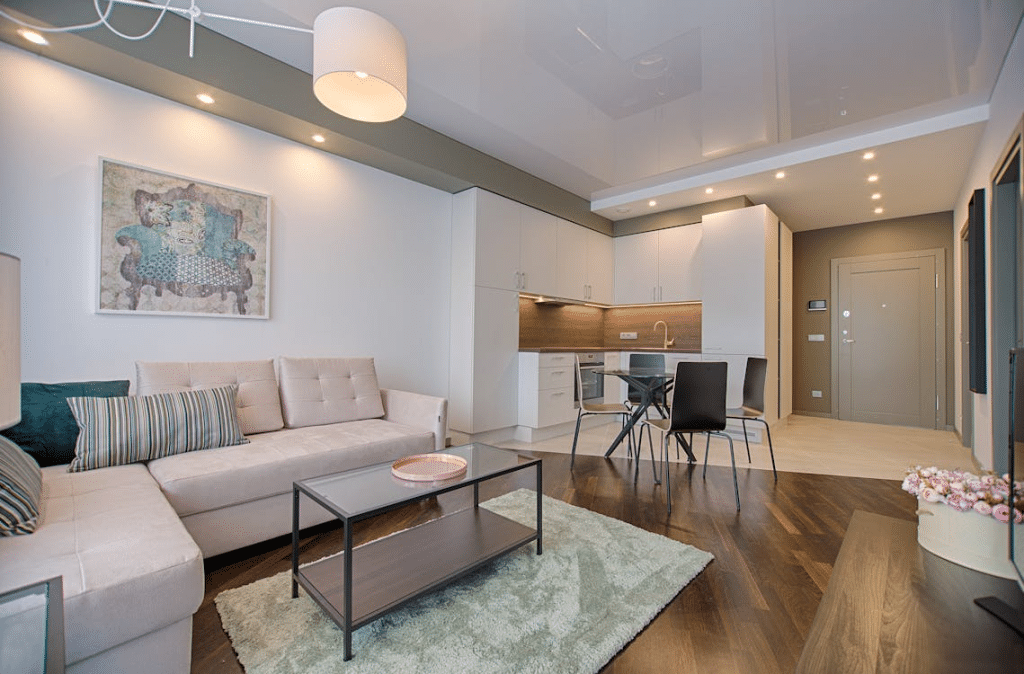
Personal style in interior design is defined by the unique combination of influences that shape how a person lives and what makes them feel “at home.” Unlike one-size-fits-all design trends, personal style blends tastes, values, memories, and even cultural heritage. For instance, someone who loves travel may decorate with souvenirs, maps, or globally inspired fabrics. Meanwhile, a minimalist might embrace open space, neutral colors, and streamlined furniture. The beauty of this approach is that there are no strict rules — the goal is to create a space that feels authentic.
Incorporating Color Palettes That Resonate
Color is one of the most powerful tools for personalizing a home. The hues we choose can influence mood, energy, and even productivity. People who prefer calmness often gravitate toward soft blues, greens, or earth tones, while those with bold personalities may lean toward vibrant reds, yellows, or jewel tones. Another growing trend is using contrasting palettes to reflect complexity — pairing a muted background with bright accent colors through pillows, artwork, or rugs. This layering allows for subtle expression without overwhelming the space.
Showcasing Meaningful Décor
Décor has moved beyond being purely decorative; it now carries stories. Items like inherited furniture, handmade crafts, or locally sourced pieces add depth to a room’s design. A gallery wall filled with personal photographs or artwork can instantly transform a living space into a reflection of identity. Collectors might showcase books, vinyl records, or antiques that reveal their passions. By mixing practical furnishings with items of sentimental value, interiors become less about display and more about storytelling.
Blending Functionality With Personality
A successful design doesn’t just look good — it works well in daily life. This is why functionality is central to modern personal-style interiors. For example, people working from home often need multipurpose spaces that accommodate productivity without sacrificing warmth. Furniture with dual purposes, such as a stylish storage bench or modular sofa, allows rooms to adapt while still reflecting individuality. Integrating technology seamlessly, like smart lighting or hidden charging stations, ensures that personal style doesn’t come at the expense of convenience.
Mixing and Matching Styles
The rise of eclectic design demonstrates that homes no longer need to adhere to a single aesthetic. Someone might love mid-century modern furniture but pair it with rustic textures or contemporary artwork. This blend not only avoids monotony but also communicates complexity. The key is balance: mixing styles while maintaining cohesion through repeated colors, materials, or shapes. For example, pairing vintage chairs with a sleek glass dining table can highlight contrast while still feeling intentional.
Using Textures and Materials to Express Identity
Textures often go unnoticed, but they are essential for creating a tactile experience that reflects personality. A person drawn to nature may use reclaimed wood, stone accents, or woven fabrics to bring an organic feel indoors. Someone with a modern edge may favor smooth finishes, metallic accents, and minimalist surfaces. Combining textures — like pairing leather with linen or velvet with natural wood — can express individuality while also making a space feel layered and inviting.
Bringing the Outdoors Inside
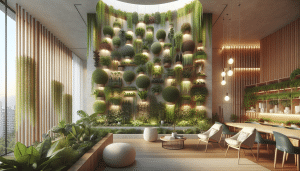
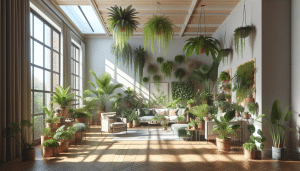
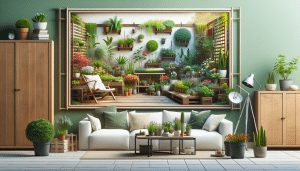
Nature-inspired interiors are gaining popularity as more people seek grounding and comfort in their living environments. Large windows, indoor plants, and natural light can create a sense of openness while fostering relaxation. For some, adding greenery is not just about decoration but also about well-being, as studies show plants can improve mood and indoor air quality. A carefully chosen plant collection — whether lush tropicals or minimalist succulents — says as much about personality as artwork or furniture.
Customizing With DIY and Handmade Elements
Personal style thrives on originality, and one of the best ways to achieve this is through handmade or DIY pieces. Whether it’s a refinished table, a custom-painted wall, or handmade pottery, these elements carry uniqueness that mass-produced items cannot. They also give homeowners a sense of creative involvement in their space. DIY décor has become a way not only to personalize but also to ensure sustainability, as many people upcycle or repurpose existing materials.
Designing Spaces for Well-Being
Beyond aesthetics, interior design plays a direct role in mental and emotional health. A clutter-free environment often supports focus and calmness, while cozy spaces encourage rest. For individuals, personal style might mean designing a bedroom for maximum relaxation, a kitchen that encourages healthier eating, or a living room that promotes social connection. By aligning design with personal wellness goals, the home becomes more than just a reflection of taste — it becomes a foundation for better living.
Adapting Trends to Fit Identity
Trends in interior design will always exist, but adapting them to personal style ensures longevity. For example, the current interest in sustainable design may appeal to eco-conscious individuals, while others might interpret it as an opportunity to bring artisanal, natural materials into their homes. Instead of following every trend, people are learning to select elements that align with their values. This selective approach not only makes homes timeless but also prevents frequent, costly redesigns.
Final Thoughts
Interior design is most powerful when it reflects individuality rather than conformity. From personalized color palettes and meaningful décor to multifunctional furniture and DIY elements, each choice allows homeowners to express themselves authentically. A home should feel like a sanctuary that mirrors personality, lifestyle, and aspirations. By embracing interior design as an extension of self, people can create spaces that don’t just look beautiful but feel deeply personal.
References
- American Society of Interior Designers (ASID). Impact of Design on Well-Being. https://www.asid.org
- Elle Décor. Personalized Interior Design Ideas. https://www.elledecor.com
- Architectural Digest. How to Mix Styles in Interior Design. https://www.architecturaldigest.com
- Psychology Today. The Psychology of Home Décor. https://www.psychologytoday.com
- House Beautiful. Sustainable and DIY Interior Trends. https://www.housebeautiful.com

 Fitness Challenges That Are Fun and Engaging