Interior Design Ideas That Maximize Functionality
Thaddeus Crowley October 6, 2025
Interior design has always balanced form and beauty, but in 2025 functionality is just as important as aesthetics. Modern homeowners want spaces that not only look appealing but also make daily life easier. With smaller living areas, remote work lifestyles, and a rising interest in sustainable living, people are prioritizing interior design ideas that maximize functionality.
From multi-purpose furniture to smart storage and flexible layouts, functional design allows homes to adapt to modern demands without sacrificing comfort or style. It’s not about filling a space with more—it’s about making the most of what you already have.
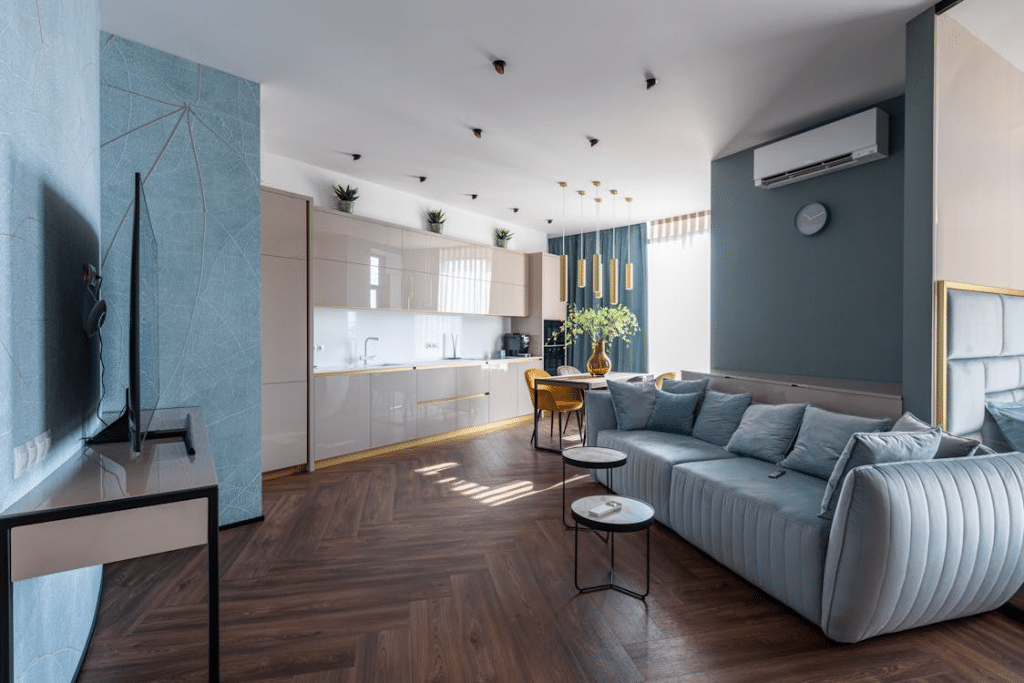
Why Functionality Matters in Interior Design
A home should reflect personal style, but it must also support everyday routines. With more people living in urban apartments and working remotely, space has become a premium. According to a 2024 Houzz survey, nearly 70% of homeowners said maximizing space efficiency was their top design goal.
Functionality also connects with sustainability. Efficient layouts reduce waste, while modular furniture and durable materials minimize the need for constant replacements. The result is a space that feels intentional, practical, and timeless.
Core Interior Design Ideas That Maximize Functionality
1. Multi-Purpose Furniture
Furniture that serves more than one purpose has become a staple of functional design. Examples include sofa beds for small apartments, extendable dining tables for gatherings, and ottomans with hidden storage. These pieces save space while maintaining flexibility.
2. Smart Storage Solutions
Clutter reduces both functionality and comfort. Innovative storage solutions such as under-bed drawers, floating shelves, and built-in cabinetry maximize every square inch. Vertical storage—using tall shelving or hanging organizers—frees up valuable floor space.
3. Open-Plan Layouts
Open layouts remain popular for their ability to create flexible, airy environments. By removing unnecessary walls, homeowners can adapt spaces for multiple uses, from hosting guests to remote work setups. Zoning with rugs or screens helps maintain visual structure.
4. Flexible Workspaces
With hybrid and remote work on the rise, creating functional workspaces is essential. Compact desks, foldable tables, and soundproof panels make it possible to integrate professional spaces into homes without overwhelming them.
5. Lighting That Works
Lighting impacts both design and functionality. Task lighting in kitchens, adjustable desk lamps for workspaces, and dimmable LEDs for living rooms create versatile environments. Smart lighting systems, controlled by voice or app, add convenience and efficiency.
6. Kitchen Efficiency
The kitchen is the heart of the home, and functionality is key. Pull-out pantry shelves, rotating corner cabinets, and wall-mounted racks improve accessibility while saving space. Compact appliances designed for urban living also align with the functionality-first approach.
7. Bathroom Practicality
In small bathrooms, functionality is maximized with wall-mounted sinks, mirrored cabinets with storage, and walk-in showers instead of bulky bathtubs. Using light colors and reflective surfaces further enhances the sense of space.
Trends Driving Functional Design
Smart Home Integration
Technology is reshaping functionality. Smart thermostats, automated blinds, and AI-driven home assistants create efficient, user-friendly spaces that respond to lifestyle needs.
Minimalism with Purpose
Minimalism remains influential, but in 2025 it’s less about stark spaces and more about intentional choices. The focus is on keeping items that serve a purpose, reducing clutter, and designing homes around daily routines.
Sustainable Materials
Sustainability plays a growing role in functionality. Durable, renewable materials like bamboo, cork, and recycled wood ensure that furniture and finishes last longer while reducing environmental impact.
Modular Design
Modular furniture and room dividers allow for spaces that adapt as needs change. For example, a modular shelving system can be rearranged into a desk, entertainment center, or storage wall.
Practical Tips for Maximizing Functionality
- Plan Layouts Carefully: Map out how you use each room before adding furniture.
- Think Vertical: Use wall-mounted solutions to free floor space.
- Invest in Key Pieces: A few high-quality, multi-purpose items are better than many single-use ones.
- Use Mirrors Strategically: Mirrors expand visual space and add brightness.
- Keep Pathways Clear: Functional spaces require easy movement—avoid cluttered layouts.
Long-Term Benefits of Functional Interiors
Functional design is not only practical but also improves quality of life:
- Reduces daily stress by eliminating clutter.
- Supports productivity, especially for remote work.
- Enhances comfort through efficient layouts.
- Increases home value with versatile spaces.
Homes designed for functionality are easier to maintain, more adaptable, and better suited for changing lifestyles.
Conclusion
In 2025, interior design ideas that maximize functionality are shaping how people live, work, and relax. By prioritizing efficiency, flexibility, and sustainability, homeowners create spaces that are both stylish and practical. Whether it’s through multi-purpose furniture, smart storage, or modular layouts, functional design empowers people to make the most of their homes.
Ultimately, a functional home is not just about saving space—it’s about enhancing daily life, supporting well-being, and ensuring that every element serves a purpose.
References
- Houzz. (2024). Top home design trends survey. https://www.houzz.com
- Architectural Digest. (2024). Interior design ideas for small spaces. https://www.architecturaldigest.com
- Better Homes & Gardens. (2024). Smart storage solutions for modern homes. https://www.bhg.com
- Forbes. (2024). The rise of functional and modular design. https://www.forbes.com
- Elle Decor. (2024). How to design spaces that balance style and practicality. https://www.elledecor.com

 Travel Destinations That Encourage Adventure