Interior Design Ideas That Enhance Productivity
Thaddeus Crowley September 24, 2025
The way we design our living and working spaces has a profound effect on how we think, feel, and perform. For people working from home, freelancers, or even those in traditional office environments, interior design ideas that enhance productivity are no longer just aesthetic choices—they’re essential strategies for improving focus, creativity, and overall well-being. Thoughtful design can minimize distractions, improve comfort, and foster a sense of control over the environment, all of which are crucial to maintaining energy throughout the day.
Recent studies highlight the importance of design in productivity. A report from the American Society of Interior Designers found that elements like lighting, acoustics, and ergonomics can significantly influence concentration and efficiency. With remote and hybrid work continuing to shape the modern landscape, it’s clear that design decisions go far beyond decoration.
Why Productivity-Focused Interior Design Matters
A well-designed environment influences both mood and output. Poor lighting, cluttered layouts, or uncomfortable furniture can drain mental energy and reduce efficiency. On the other hand, environments that are bright, ergonomic, and organized help sustain focus.
Small changes, such as rearranging furniture or incorporating natural light, can provide an immediate boost. Larger changes, like creating designated work zones or investing in adaptable furniture, make long-term productivity sustainable. Interior design becomes less about style alone and more about building spaces that align with human psychology and performance.
1. Optimize Lighting for Energy and Focus
Lighting is one of the most powerful factors in shaping productivity. Natural light has been linked to better mood and improved concentration. According to research published in the Journal of Clinical Sleep Medicine, employees exposed to natural light during the day reported higher energy and better sleep quality.
Practical tips:
- Place desks near windows to maximize sunlight exposure.
- Use daylight-simulating LED lamps if natural light is limited.
- Add task lighting for focused activities like reading or computer work.
The right balance between natural and artificial light can reduce eye strain and enhance alertness.
2. Choose Colors That Influence Mood
Colors play a subtle yet significant role in shaping emotions and focus. Blue tones are often associated with calmness and concentration, while greens are linked to balance and harmony. Yellow, in moderation, can stimulate creativity and optimism.
Designers often recommend:
- Blue or green tones for workspaces that demand focus.
- Warm accents (like yellow or orange) for creative areas.
- Neutral backdrops (white, beige, gray) to avoid overstimulation.
Choosing the right color palette is a low-cost way to make a space feel more conducive to productivity.
3. Incorporate Ergonomic Furniture
Comfort is central to sustained productivity. Ergonomic furniture supports the body during long hours of work, reducing physical discomfort that often leads to fatigue or distraction.
Key elements include:
- Adjustable chairs with lumbar support.
- Desks at proper height to maintain posture.
- Sit-stand desks for flexibility and movement.
The Occupational Safety and Health Administration (OSHA) emphasizes that ergonomics not only prevents workplace injuries but also enhances efficiency and satisfaction. For small home offices, investing in even one or two ergonomic pieces can make a significant difference.
4. Use Plants to Improve Air Quality and Creativity
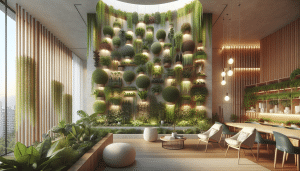
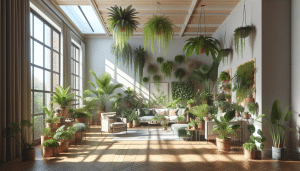
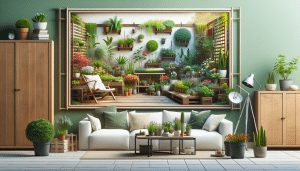
Biophilic design—bringing natural elements indoors—has been proven to enhance productivity and well-being. Plants improve air quality, reduce stress, and create visually calming environments. A University of Exeter study found that introducing plants into office spaces increased productivity by 15%.
Recommended plants for productivity:
- Snake plants (low maintenance, air-purifying).
- Pothos (thrives in various light conditions).
- Peace lilies (great for improving indoor air).
Even a few well-placed plants can make a workspace more vibrant and mentally refreshing.
5. Declutter and Organize Strategically
Clutter is one of the most common productivity killers. A cluttered desk or room can increase stress and make it harder to focus. Effective organization systems create mental clarity by reducing distractions.
Strategies to try:
- Use shelving and vertical storage to keep surfaces clear.
- Label bins and drawers for easy access.
- Follow the “one in, one out” rule to prevent accumulation.
Minimalist approaches don’t have to feel cold; they simply prioritize essentials, creating an environment where the brain feels less overloaded.
6. Create Zones for Different Activities
Not all work requires the same type of energy. Separating spaces for different tasks helps the brain shift gears efficiently. For example:
- A focused desk area for deep work.
- A comfortable chair for reading or brainstorming.
- A standing area for quick calls or note-taking.
Zoning can be achieved even in small apartments by using rugs, dividers, or furniture placement to create distinct boundaries.
7. Integrate Technology Thoughtfully
Technology is essential, but how it’s integrated into the environment matters. Visible cords, poor placement of screens, or outdated equipment can create frustration and reduce efficiency.
Tips for tech-friendly design:
- Use cable management solutions to reduce visual clutter.
- Position monitors at eye level to prevent neck strain.
- Invest in noise-canceling headphones for open or shared spaces.
The goal is to make technology supportive without overwhelming the environment.
8. Personalize Without Overloading
A workspace should reflect personality while avoiding excessive distractions. Personal touches—like photos, artwork, or meaningful objects—create a sense of ownership and comfort. However, too many personal items can crowd a space and reduce focus.
Aim for balance:
- Display a few meaningful items that inspire motivation.
- Rotate decorations seasonally for freshness.
- Keep personalization within a framework of simplicity.
Personalized design enhances motivation while maintaining clarity and purpose.
Final Thoughts
The relationship between design and productivity is clear: the environments we create influence how effectively we work. By focusing on interior design ideas that enhance productivity, small changes like improving lighting, choosing calming colors, or adding ergonomic furniture can make a measurable difference. Larger strategies, such as zoning work areas or integrating biophilic elements, build long-term habits that sustain focus and creativity.
Thoughtful design is no longer a luxury—it’s a productivity tool. With intentional choices, anyone can turn their space into an environment that supports both well-being and performance.
References:
- American Society of Interior Designers. The Impact of Design on Productivity. https://www.asid.org
- Journal of Clinical Sleep Medicine. Impact of Daylight on Sleep and Work Performance. https://jcsm.aasm.org
- University of Exeter. Plants Boost Productivity in Offices. https://www.exeter.ac.uk
- OSHA. Ergonomics in the Workplace. https://www.osha.gov

 Unlock Home Equity Opportunities You Might Overlook