Interior Decor Ideas That Improve Comfort
Thaddeus Crowley September 24, 2025
A home should be a sanctuary where you feel relaxed and at ease. Interior decor ideas that improve comfort focus on creating spaces that support relaxation, wellbeing, and functionality. Comfort in design is achieved not just through aesthetics but also through thoughtful furniture choices, lighting, color schemes, and layouts.
This article explores practical interior decor strategies that enhance comfort at home. From cozy textiles and ergonomic furniture to lighting and spatial organization, these ideas can transform any space into a relaxing retreat.
1. Invest in Ergonomic Furniture
Ergonomic furniture supports the body and reduces physical strain, enhancing comfort throughout the home.
- Supportive seating: Chairs with proper lumbar support prevent back pain and encourage good posture.
- Adjustable tables and desks: Height-adjustable furniture allows users to work comfortably and reduce strain.
- Comfortable beds and mattresses: A supportive mattress improves sleep quality, which is essential for overall wellbeing.
Ergonomics Journal (2023) emphasizes that ergonomic furniture improves physical comfort and reduces fatigue, making daily activities more enjoyable.
2. Use Cozy Textiles and Soft Materials
Textiles contribute significantly to a space’s comfort by adding warmth and tactile appeal.
- Rugs and carpets: Provide warmth underfoot and reduce noise in open spaces.
- Throw blankets and pillows: Soft accessories enhance relaxation and visual appeal.
- Curtains and drapes: Heavy or layered fabrics can improve insulation and create a cozy ambiance.
Journal of Interior Design (2023) reports that the use of soft textiles enhances both physical comfort and emotional wellbeing in living spaces.
3. Optimize Lighting for Comfort
Lighting affects mood, energy levels, and visual comfort.
- Layered lighting: Combine ambient, task, and accent lighting to create a balanced and adaptable environment.
- Dimmable lights: Adjustable lighting levels allow control over the room’s ambiance and reduce eye strain.
- Natural light: Maximize sunlight during the day to boost mood and reduce dependence on artificial lighting.
Journal of Environmental Psychology (2023) highlights that proper lighting contributes to relaxation, productivity, and overall comfort in indoor spaces.
4. Incorporate Calming Colors
Color has a psychological impact on comfort and wellbeing.
- Neutral palettes: Soft whites, beiges, and greys create serene, restful environments.
- Warm tones: Subtle warm hues like soft yellows or peach promote a sense of coziness.
- Cool tones: Blues and greens can create a calming effect, reducing stress and enhancing relaxation.
Frontiers in Psychology (2023) reports that thoughtful color selection positively affects mood, creating environments conducive to comfort and relaxation.
5. Arrange Furniture for Flow and Function
The layout of a space can significantly influence comfort and usability.
- Create clear pathways: Avoid clutter and allow easy movement around the room.
- Define zones: Separate areas for work, relaxation, and social interaction to reduce stress and improve functionality.
- Flexible arrangements: Use modular furniture to adjust layouts for different activities and needs.
Journal of Interior Design (2023) emphasizes that spatial organization enhances comfort by reducing visual clutter and promoting ease of movement.
6. Add Elements of Nature
Incorporating natural elements improves both comfort and wellbeing.
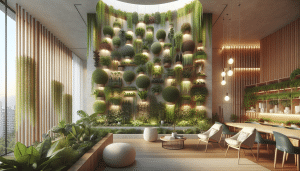
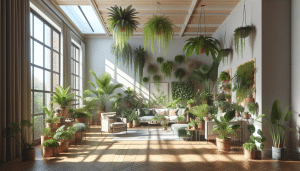
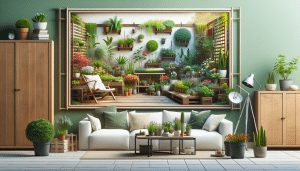
- Indoor plants: Improve air quality and provide a calming visual focus.
- Natural materials: Wood, stone, and bamboo add warmth and tactile appeal.
- Water features: Small indoor fountains or aquariums can create a soothing atmosphere through sound and movement.
Environmental Health Perspectives (2023) highlights that natural elements reduce stress and enhance the comfort and enjoyment of living spaces.
7. Enhance Acoustic Comfort
Noise reduction contributes to a sense of peace and comfort in the home.
- Rugs and carpets: Absorb sound in open areas.
- Soft furnishings: Cushions, curtains, and upholstery dampen ambient noise.
- Acoustic panels: Strategically placed panels reduce echoes and improve auditory comfort, especially in work or entertainment areas.
Journal of Environmental Psychology (2023) reports that managing acoustics in a home environment improves concentration, relaxation, and overall comfort.
8. Focus on Temperature Control
Maintaining a comfortable temperature affects physical and emotional comfort.
- Insulation: Properly insulated walls and windows help maintain stable indoor temperatures.
- Heating and cooling systems: Energy-efficient systems provide consistent comfort year-round.
- Textiles and accessories: Layering rugs, throws, and cushions allows adaptation to changing temperatures.
Energy and Buildings Journal (2023) notes that indoor thermal comfort significantly impacts satisfaction, relaxation, and perceived home quality.
9. Personalize Your Space
Personalization fosters emotional comfort and a sense of belonging.
- Family photos and artwork: Visual reminders of personal connections enhance emotional warmth.
- Hobby or interest areas: Spaces dedicated to reading, crafts, or music create a sense of enjoyment and relaxation.
- Customized decor: Incorporate items that reflect your personality, such as color choices, artwork, or furniture styles.
Frontiers in Psychology (2023) highlights that personalization increases emotional comfort and attachment to home environments.
10. Declutter and Simplify
A clutter-free space reduces stress and enhances comfort.
- Storage solutions: Use cabinets, baskets, and shelving to organize belongings.
- Minimalist approach: Keep only items that are functional or meaningful.
- Regular maintenance: Set routines for tidying up and maintaining order.
Journal of Environmental Psychology (2023) emphasizes that reducing clutter improves mental clarity, relaxation, and the overall feeling of comfort in a space.
Conclusion
Interior decor ideas that improve comfort focus on creating environments that support relaxation, physical ease, and emotional wellbeing. By investing in ergonomic furniture, using soft textiles, optimizing lighting, selecting calming colors, and incorporating natural elements, you can enhance the comfort of your home.
Thoughtful arrangement, personalization, and effective temperature and acoustic control further contribute to a welcoming, comfortable environment. Implementing these strategies creates a home that nurtures both body and mind, supporting relaxation and overall quality of life.
References
Journal of Interior Design (2023). Enhancing Comfort Through Home Design. Available at: https://www.journals.sagepub.com/home/jid
Frontiers in Psychology (2023). The Impact of Color and Nature on Wellbeing. Available at: https://www.frontiersin.org
Journal of Environmental Psychology (2023). Spatial Organization and Indoor Comfort. Available at: https://www.journals.elsevier.com/journal-of-environmental-psychology
Environmental Health Perspectives (2023). Natural Elements in Interior Spaces. Available at: https://www.niehs.nih.gov
Energy and Buildings Journal (2023). Indoor Climate and Thermal Comfort. Available at: https://www.journals.elsevier.com/energy-and-buildings

 Unlocking Success with Passive Income Streams