Gardening Tips That Maximize Outdoor Aesthetics
Thaddeus Crowley September 25, 2025
A well-maintained garden is more than a collection of plants—it is an extension of the home and a reflection of personal style. With thoughtful planning and care, gardens can transform outdoor spaces into relaxing sanctuaries, vibrant entertainment areas, or simply beautiful places to enjoy nature. Homeowners and garden enthusiasts are increasingly looking for gardening tips that maximize outdoor aesthetics, as these approaches balance beauty, functionality, and sustainability.
According to the National Gardening Association, more than 55% of U.S. households engage in some form of gardening. This growing interest highlights the importance of understanding not just plant care but also design strategies that make outdoor areas visually appealing and inviting.
Why Outdoor Aesthetics Matter in Gardening
The aesthetics of a garden are about more than appearance. They influence how people feel in the space, create harmony with the surrounding environment, and even increase property value. Research published in the Journal of Environmental Psychology shows that natural, well-designed green spaces promote relaxation, reduce stress, and improve overall well-being.
By using design principles along with practical plant care, gardeners can elevate their spaces from ordinary to extraordinary.
1. Plan with Purpose
Every beautiful garden begins with intentional planning. Before planting, consider the purpose of the space:
- Relaxation zone: Create a calm, shaded area with soft colors and gentle scents.
- Entertaining area: Incorporate open spaces with bold plants, lighting, and seating.
- Wildlife-friendly garden: Choose native plants and water features to attract pollinators and birds.
Sketching layouts or using garden design apps helps visualize the final look before committing to plant choices.
2. Balance Colors and Textures
Color is one of the most powerful tools in gardening design. Choosing the right palette can create moods, highlight features, and unify the space.
Tips for color planning:
- Use a primary color scheme (e.g., whites and purples) for a calm effect.
- Add contrasting colors like yellow and blue for energy and vibrancy.
- Incorporate seasonal plants to keep colors fresh year-round.
Texture adds depth. Mixing smooth leaves (like hostas) with fine-textured plants (like ferns) creates visual interest even when flowers are not blooming.
3. Layer Plants for Depth
Professional landscape designers often use layering techniques to make gardens appear fuller and more structured.
- Place taller plants or shrubs at the back or center.
- Use medium-height plants in the middle layer.
- Ground covers or small flowers work best at the edges.
This arrangement creates depth and prevents gardens from looking flat. It also ensures that each plant is visible, maximizing aesthetic appeal.
4. Incorporate Pathways and Borders
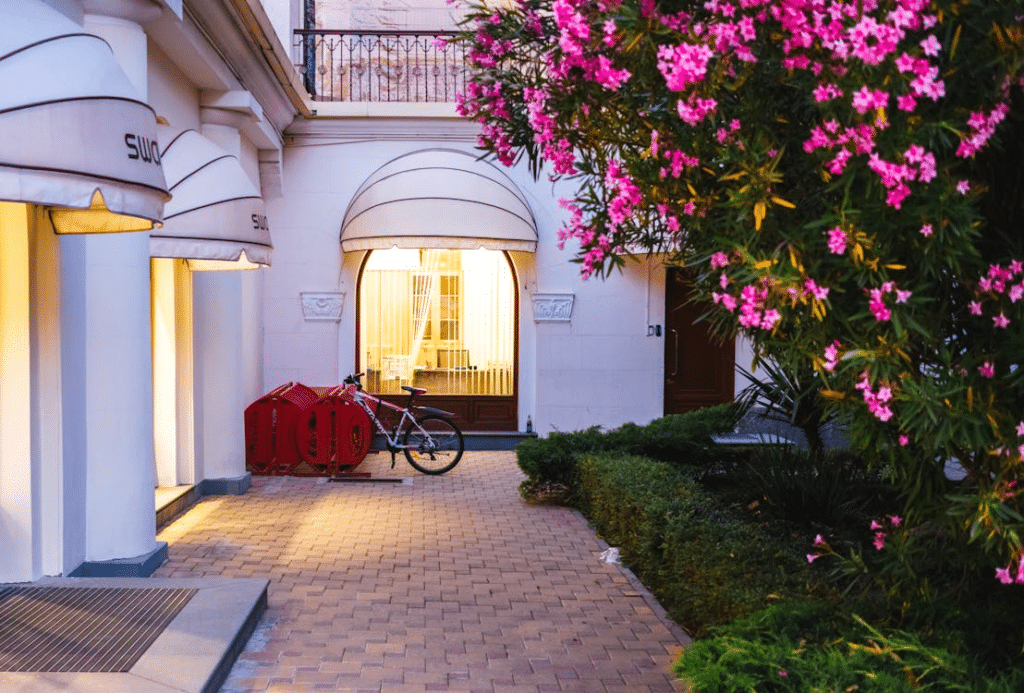
Hardscape features such as pathways, stone edges, and borders add structure and guide the eye. Options include gravel walkways, stepping stones, or wooden borders. These elements:
- Define garden sections.
- Provide practical access for maintenance.
- Add contrast between greenery and built materials.
For aesthetics, natural stone and wood often blend seamlessly with outdoor spaces, while metal or concrete can provide a modern touch.
5. Choose Containers and Planters Wisely
Containers extend gardening possibilities, especially in small or urban spaces. Decorative pots can become focal points while offering flexibility for rearrangement.
Tips for container gardening:
- Match container colors with the overall theme.
- Use oversized planters to create bold statements.
- Mix trailing plants with upright flowers for dynamic arrangements.
High-quality containers made from terracotta, ceramic, or even recycled materials enhance visual appeal and sustainability.
6. Use Lighting to Enhance Ambiance
Garden beauty doesn’t end at sunset. Lighting highlights design features and makes spaces usable at night. Options include:
- Solar pathway lights for eco-friendly illumination.
- String lights for a cozy, festive look.
- Spotlights to emphasize trees, sculptures, or water features.
Lighting design adds atmosphere and ensures safety while moving around the garden after dark.
7. Add Water Features
Water brings movement, sound, and reflection into the garden. Features like fountains, small ponds, or birdbaths provide visual interest while attracting wildlife.
Benefits of water features include:
- Creating a tranquil atmosphere with soothing sounds.
- Reflecting surrounding plants and lights for visual depth.
- Offering habitat support for birds and pollinators.
Even small gardens can benefit from compact tabletop fountains or wall-mounted waterfalls.
8. Seasonal Interest and Plant Rotation
A truly aesthetic garden looks beautiful throughout the year. To achieve this:
- Plant bulbs such as tulips and daffodils for spring color.
- Use perennials like lavender and roses for summer.
- Add ornamental grasses and chrysanthemums for autumn texture.
- Incorporate evergreens for winter structure.
Rotating seasonal plants ensures continuous interest, preventing the garden from appearing dull in off-seasons.
9. Blend Functionality with Beauty
Maximizing aesthetics doesn’t mean sacrificing practicality. Consider multi-functional design choices:
- Pergolas provide shade while serving as structures for climbing plants.
- Raised beds are easier to maintain and add organized visual lines.
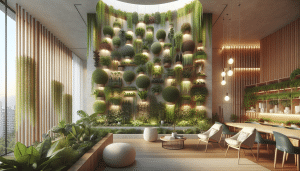
- Vertical gardens enhance aesthetics while saving space in smaller yards.
When beauty and function align, the garden becomes both inviting and manageable.
10. Maintain Consistency
Even the most well-planned garden can lose appeal without proper maintenance. Regular tasks like pruning, mulching, and weeding keep designs intact. Consistency is key to sustaining long-term aesthetics.
- Prune shrubs and hedges to maintain shape.
- Mulch beds to suppress weeds and retain moisture.
- Refresh soil and fertilizers to keep plants healthy.
Well-maintained gardens not only look better but also thrive longer.
Final Thoughts
Enhancing outdoor spaces is about more than planting flowers—it’s about designing environments that delight the senses and reflect personal style. By applying these gardening tips that maximize outdoor aesthetics, homeowners can transform their yards into living works of art.
Whether through color coordination, layered planting, lighting, or water features, small adjustments can make a significant difference. Ultimately, the most beautiful gardens combine creativity, sustainability, and care, offering lasting value for both the homeowner and the environment.
References
- National Gardening Association. Gardening Participation Trends. https://gardenresearch.com
- Journal of Environmental Psychology. Benefits of Green Spaces on Well-being. https://www.sciencedirect.com
- Royal Horticultural Society. Garden Design Advice. https://www.rhs.org.uk
- Better Homes & Gardens. Outdoor Garden Ideas. https://www.bhg.com

 Travel Planning Tips for Family-Friendly Trips