Gardening Techniques That Encourage Sustainability
Thaddeus Crowley October 10, 2025
Sustainable gardening has become more than a trend—it’s a necessity. As climate change, soil depletion, and resource scarcity continue to challenge food systems, gardeners around the world are turning to practices that reduce environmental impact while maintaining healthy, productive landscapes. By adopting gardening techniques that encourage sustainability, individuals not only grow food and plants more responsibly but also contribute to long-term ecosystem health.

Why Sustainable Gardening Matters
Conventional gardening methods often rely on synthetic fertilizers, pesticides, and high water usage, which can harm soil quality and local biodiversity. Sustainable techniques focus on working with nature rather than against it. According to the Food and Agriculture Organization (FAO), sustainable soil and water management can increase crop yields by up to 20% while reducing greenhouse gas emissions.
Benefits of sustainable gardening include:
- Healthier soil and stronger plant growth.
- Reduced waste and chemical use.
- Increased biodiversity through pollinator-friendly habitats.
- Long-term resilience against climate shifts.
1. Composting for Natural Fertilizer
Composting transforms organic waste into nutrient-rich soil amendments. By recycling food scraps, yard clippings, and leaves, gardeners reduce landfill waste while enhancing soil structure.
Tips for composting:
- Balance “greens” (fruit peels, coffee grounds) with “browns” (dried leaves, cardboard).
- Turn piles regularly to aerate and speed decomposition.
- Use finished compost to enrich garden beds naturally.
2. Mulching to Preserve Moisture and Soil Health
Mulch is a powerful sustainability tool. It reduces evaporation, controls weeds, and improves soil quality as it breaks down.
Sustainable mulch options include:
- Straw, shredded leaves, or bark.
- Grass clippings free of pesticides.
- Compost mulch for added nutrients.
By insulating soil, mulch reduces water usage and encourages strong plant growth.
3. Water Conservation Practices
Water is one of the most critical resources in gardening. Sustainable approaches ensure efficiency without sacrificing plant health.
Smart watering methods:
- Drip irrigation to deliver water directly to roots.
- Rainwater harvesting through barrels or cisterns.
- Watering early in the morning to reduce evaporation.
These methods help preserve water while supporting thriving gardens.
4. Native and Pollinator-Friendly Plants
Planting native species and pollinator-friendly flowers promotes biodiversity and reduces maintenance needs. Native plants require less water, fewer chemicals, and adapt well to local climates.
Examples include:
- Milkweed to support monarch butterflies.
- Lavender, echinacea, or wildflowers to attract bees.
- Native grasses that protect soil and reduce erosion.
These gardens strengthen ecosystems and protect wildlife populations.
5. Crop Rotation and Companion Planting
Crop rotation prevents nutrient depletion and reduces the risk of pests and diseases. Companion planting enhances plant health and minimizes pesticide use.
Examples:
- Rotating legumes with leafy greens to replenish nitrogen.
- Growing basil near tomatoes to repel pests.
- Planting marigolds to deter nematodes naturally.
These techniques keep soil fertile and plants resilient.
6. Organic Pest Management
Instead of relying on chemicals, sustainable gardeners use natural pest control.
Methods include:
- Introducing beneficial insects like ladybugs or lacewings.
- Using neem oil or garlic spray as organic deterrents.
- Encouraging biodiversity to balance pest populations.
This protects crops while keeping ecosystems healthy.
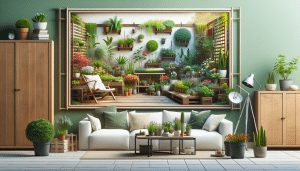
7. Vertical and Small-Space Gardening
Maximizing limited space through vertical gardens or container setups reduces land use while increasing productivity.
Examples:
- Trellises for beans, peas, and cucumbers.
- Stacked planters for herbs.
- Wall gardens for leafy greens.
Compact gardens use fewer resources while yielding abundant produce.
8. Minimizing Chemical Fertilizers and Herbicides
Synthetic fertilizers degrade soil and harm surrounding ecosystems. Sustainable gardeners turn to natural alternatives like compost, manure, and organic soil amendments.
Long-term benefits:
- Improved soil microbial activity.
- Reduced risk of chemical runoff into waterways.
- Healthier plants with stronger immunity.
9. Zero-Waste Gardening
Sustainability also means reducing waste at every step.
Ideas include:
- Repurposing containers and old materials as planters.
- Using kitchen scraps for compost or natural fertilizers.
- Saving seeds from one season to plant the next.
Zero-waste gardening aligns with circular economy principles.
10. Incorporating Renewable Energy
Forward-thinking gardeners are using renewable energy to make their gardens even more sustainable.
Examples:
- Solar-powered water pumps.
- LED grow lights with minimal energy consumption.
- Solar fences to protect crops from wildlife.
This reduces reliance on fossil fuels while keeping gardens productive.
Conclusion: Gardening for a Resilient Future
By adopting gardening techniques that encourage sustainability, individuals create more than just productive gardens—they foster ecosystems that protect soil, conserve water, and support biodiversity. From composting and mulching to pollinator-friendly planting and zero-waste methods, these practices transform gardens into sustainable spaces that benefit both people and the planet.
References
- Food and Agriculture Organization. (2023). Sustainable Soil and Water Management. https://www.fao.org
- National Wildlife Federation. (2024). Gardening for Pollinators. https://www.nwf.org
- Better Homes & Gardens. (2024). Eco-Friendly Gardening Practices. https://www.bhg.com

 Wellness Practices That Support Mental and Physical Health