Gardening Ideas That Maximize Plant Growth
Thaddeus Crowley September 30, 2025
Gardening is more than a hobby; it’s a rewarding way to connect with nature, improve mental well-being, and enjoy fresh, homegrown plants. Maximizing plant growth requires a combination of knowledge, planning, and practical techniques. By understanding soil quality, sunlight requirements, watering methods, and nutrient management, gardeners can create thriving environments for both ornamental and edible plants. Incorporating modern gardening ideas ensures plants grow healthier, stronger, and more productive throughout the seasons.

Understanding Plant Growth Fundamentals
Before implementing strategies, it’s essential to understand what plants need to grow optimally. All plants require sunlight, water, nutrients, and proper air circulation. Sunlight fuels photosynthesis, water supports nutrient transport, and nutrients from soil or fertilizers provide the building blocks for strong roots, stems, and leaves. Even minor adjustments in any of these areas can significantly impact plant growth and overall health.
Optimizing Soil Quality
Soil Testing
Healthy soil is the foundation for plant growth. Conducting soil tests helps determine pH levels, nutrient deficiencies, and texture. Most plants thrive in slightly acidic to neutral soil, but specific plants may require tailored conditions. Testing also guides gardeners in choosing the right fertilizers and soil amendments.
Organic Matter and Compost
Adding compost or organic matter improves soil structure, moisture retention, and nutrient content. Compost supports beneficial microorganisms that enhance root growth and nutrient availability. Regularly incorporating organic matter can dramatically boost plant health and productivity.
Mulching
Mulch provides several benefits, including moisture retention, weed suppression, and temperature regulation. Organic mulches, such as bark, straw, or leaves, gradually decompose, enriching the soil and promoting healthy root development.
Efficient Watering Techniques
Proper watering is essential to prevent both under- and overwatering, which can stress plants and hinder growth.
Drip Irrigation
Drip irrigation delivers water directly to the root zone, reducing evaporation and ensuring consistent moisture levels. It is especially effective for gardens with multiple plants or varying water needs.
Watering Schedules
Establishing a watering routine based on plant type, climate, and soil conditions helps maintain healthy growth. Early morning watering reduces evaporation and allows plants to absorb water efficiently throughout the day.
Rainwater Harvesting
Collecting and using rainwater is an eco-friendly practice that provides naturally soft water for plants, reducing dependency on municipal water sources.
Maximizing Sunlight Exposure
Strategic Plant Placement
Understanding the sun requirements of different plants ensures they receive adequate light. Full-sun plants, such as tomatoes or sunflowers, require at least six hours of direct sunlight daily. Shade-tolerant plants thrive under partial sun or filtered light.
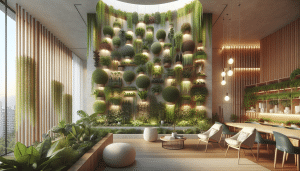
Vertical gardening techniques, such as trellises, wall-mounted planters, or hanging baskets, maximize sunlight exposure for all plants and are ideal for small spaces. Vertical arrangements also improve air circulation, reducing the risk of disease.
Reflective Surfaces
Using reflective surfaces like white walls, mirrors, or light-colored pathways can redirect sunlight to shaded areas, ensuring plants receive more light without relocation.
Nutrient Management
Fertilization Practices
Balanced fertilization provides essential nutrients like nitrogen, phosphorus, and potassium. Slow-release fertilizers are beneficial for sustained nutrient delivery, while foliar sprays can quickly address deficiencies during growth spurts.
Companion Planting
Certain plants benefit from being grown together due to complementary nutrient needs, pest deterrence, or growth stimulation. For example, planting legumes with leafy greens can enrich the soil with nitrogen, enhancing overall productivity.
Crop Rotation
Rotating crops seasonally prevents nutrient depletion and reduces the risk of soil-borne diseases. This practice maintains soil health and ensures sustained plant growth over multiple seasons.
Pest and Disease Management
Integrated Pest Management (IPM)
IPM combines cultural, biological, and mechanical practices to manage pests and diseases. Using beneficial insects, rotating crops, and maintaining garden hygiene minimizes chemical pesticide use while protecting plant health.
Regular Inspection
Regularly inspecting plants for early signs of pests or diseases allows timely intervention. Removing affected leaves, pruning damaged areas, and applying targeted treatments prevent problems from spreading.
Natural Remedies
Natural solutions like neem oil, insecticidal soap, or companion planting with pest-repelling herbs offer eco-friendly protection for plants without harmful chemicals.
Enhancing Growth With Modern Techniques
Hydroponics and Aeroponics
Hydroponic and aeroponic systems allow plants to grow without soil, using nutrient-rich water or mist. These techniques maximize growth rate, reduce space requirements, and provide precise nutrient control.
Smart Gardening Tools
Devices like soil moisture sensors, automated watering systems, and plant growth monitors help track conditions and optimize care. Technology enables gardeners to respond quickly to plant needs, ensuring consistent growth.
Succession Planting
Planting in succession ensures continuous growth and harvest. By staggering planting times, gardeners can maintain production throughout the season and make the most of available space.
Seasonal Planning
Understanding seasonal cycles and plant life stages helps gardeners plan effectively. Early preparation, such as seed starting indoors or choosing frost-resistant varieties, ensures plants are ready to grow when conditions are ideal. Seasonal planning also aids in staggered harvesting and reduces resource waste.
Final Thoughts
Gardening ideas that maximize plant growth combine traditional knowledge with modern techniques. By optimizing soil quality, watering, sunlight exposure, and nutrient management, gardeners can create thriving gardens that produce healthy, vibrant plants. Incorporating strategies like vertical gardening, companion planting, and smart technology enhances growth while simplifying care. With careful planning, observation, and adaptation, anyone can cultivate a productive, beautiful garden that flourishes season after season.
References
- Royal Horticultural Society. Gardening Tips for Healthy Plant Growth. https://www.rhs.org.uk
- University of California Agriculture & Natural Resources. Soil Health and Fertilization for Gardens. https://ucanr.edu
- National Gardening Association. Watering, Sunlight, and Plant Care Strategies. https://garden.org
- Modern Farmer. Hydroponics and Smart Gardening Techniques. https://modernfarmer.com
- Extension Services – Cornell University. Integrated Pest Management for Home Gardens. https://ecommons.cornell.edu

 Wellness Routines That Support Emotional Wellbeing