Gardening Ideas That Improve Outdoor Spaces
Thaddeus Crowley October 7, 2025
Outdoor spaces are more than just backyards or patios—they are extensions of our homes where we relax, entertain, and connect with nature. In 2025, more people are investing in gardening ideas that improve outdoor spaces not only for beauty but also for functionality, sustainability, and well-being. Whether you have a sprawling garden, a small balcony, or a modest backyard, the right approach can transform your space into a vibrant retreat.

Why Outdoor Gardening Matters More Than Ever
Gardening has always been a way to enhance curb appeal, but its role in daily life is evolving. With remote work and busier urban lifestyles, outdoor areas now double as relaxation spots, mini-offices, and wellness zones. Research shows that spending time in well-designed green spaces reduces stress and improves mood. At the same time, eco-friendly gardening practices help conserve water, reduce waste, and support biodiversity.
In other words, gardening is no longer just a hobby—it’s a lifestyle upgrade.
Gardening Ideas That Improve Outdoor Spaces
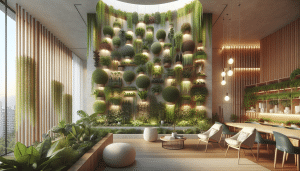
1. Vertical Gardens for Small Spaces
Not everyone has room for large flower beds, but vertical gardening solves this problem beautifully.
- Install wall-mounted planters or vertical trellises.
- Grow herbs, vegetables, or succulents vertically to maximize limited areas.
- Use modular systems that can be rearranged seasonally.
Vertical gardens are ideal for balconies and patios, adding greenery without clutter.
2. Edible Landscaping
Why separate beauty from practicality when you can have both? Edible landscaping blends ornamental plants with edible crops.
- Mix fruit trees with flowering shrubs.
- Use colorful lettuces and kale as decorative borders.
- Plant herbs like rosemary or thyme along pathways for fragrance and cooking.
This approach turns gardens into spaces that are both attractive and productive.
3. Pollinator-Friendly Planting
Bees, butterflies, and hummingbirds are essential for biodiversity, and gardens can play a major role in supporting them.
- Choose native plants that attract local pollinators.
- Incorporate flowering species that bloom in different seasons.
- Avoid pesticides that harm beneficial insects.
Not only do pollinator-friendly gardens look lively, but they also support the ecosystem.
4. Smart Irrigation Systems
Water conservation is a growing priority, and smart irrigation makes it easier.
- Drip irrigation systems deliver water directly to roots.
- App-controlled sprinklers adjust schedules based on weather.
- Rainwater harvesting systems cut water bills while keeping gardens lush.
These systems save time and make outdoor care more sustainable.
5. Multi-Functional Garden Zones
Instead of one large lawn, consider dividing outdoor spaces into functional zones.
- Create a dining area with shade plants and string lights.
- Dedicate one section to vegetables and herbs.
- Add a quiet reading nook surrounded by fragrant flowers.
This approach maximizes the usability of outdoor areas for different activities.
6. Sustainable Hardscaping
Hardscaping elements—like paths, patios, and raised beds—set the structure of a garden. In 2025, eco-friendly materials are gaining traction.
- Use recycled bricks, reclaimed wood, or permeable pavers.
- Design gravel paths that allow rainwater to filter through.
- Add raised garden beds made from untreated, sustainable wood.
Blending hardscaping with greenery creates both order and aesthetic appeal.
7. Outdoor Lighting for Atmosphere
Gardens aren’t just daytime spaces. Strategic lighting can extend usability into the night.
- Solar-powered garden lights reduce energy use.
- LED spotlights highlight key plants or water features.
- String lights add a cozy touch to patios or pergolas.
Good lighting transforms a garden into an inviting evening retreat.
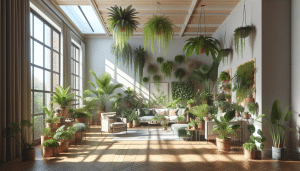
8. Container Gardening for Flexibility
For renters or those with limited space, container gardening offers adaptability.
- Grow seasonal flowers in decorative pots.
- Use large planters for dwarf fruit trees.
- Rearrange containers easily to refresh the layout.
This method works well for balconies, terraces, or even small yards.
9. Wildlife-Friendly Features
Gardens that welcome wildlife feel more alive.
- Install bird baths or feeders.
- Build insect hotels from natural materials.
- Leave a small patch of wildflowers untouched for biodiversity.
These simple additions create a thriving mini-ecosystem.
10. Outdoor Wellness Corners
Gardens can also serve as wellness sanctuaries.
- Add yoga decks surrounded by calming greenery.
- Incorporate aromatic plants like lavender for relaxation.
- Create meditation zones with water features or wind chimes.
Wellness gardens reflect the growing interest in holistic health.
How to Start Transforming Your Outdoor Space
If you’re unsure where to begin, focus on small, manageable steps:
- Start with one project, such as a vertical garden or a container arrangement.
- Incorporate at least one sustainable feature, like a smart irrigation system.
- Add plants that serve multiple purposes—ornamental and edible.
- Gradually expand zones as your needs and budget allow.
Consistency is more important than scale. Even a few thoughtful changes can transform your outdoor environment.
The Future of Gardening Ideas That Improve Outdoor Spaces
Looking ahead, smart technology and eco-conscious design will shape the future of gardening. AI-powered apps already suggest plant care routines, while sensors monitor soil health. Sustainability will continue to guide choices, from water-efficient systems to zero-waste composting.
The ultimate goal? Outdoor spaces that are beautiful, functional, and aligned with both human and environmental well-being. In 2025, gardening ideas that improve outdoor spaces are not just about aesthetics—they’re about creating meaningful, sustainable lifestyles.
References
- Better Homes & Gardens. (2024). Garden Trends for Outdoor Living in 2024. Retrieved from https://www.bhg.com
- HGTV. (2024). Creative Outdoor Garden Ideas. Retrieved from https://www.hgtv.com
- Architectural Digest. (2025). How Gardens Are Becoming Sustainable Outdoor Rooms. Retrieved from https://www.architecturaldigest.com

 Wellness Routines That Support Mindfulness