Gardening Ideas That Encourage Seasonal Planting
Thaddeus Crowley September 24, 2025
Planting according to the seasons ensures a thriving garden year-round while making the most of natural growth cycles. With gardening ideas that encourage seasonal planting, homeowners can enjoy vibrant colors, fresh produce, and a balanced ecosystem without overworking their gardens. Seasonal planting promotes healthier plants, reduces pest problems, and maximizes harvests.
Seasonal gardening has gained attention as more people embrace sustainable living. According to Better Homes & Gardens, gardeners who follow seasonal planting schedules report higher yields and more resilient plants, even in limited spaces. By understanding what thrives during each season, you can plan a garden that looks beautiful and produces reliably.
Why Seasonal Planting Matters
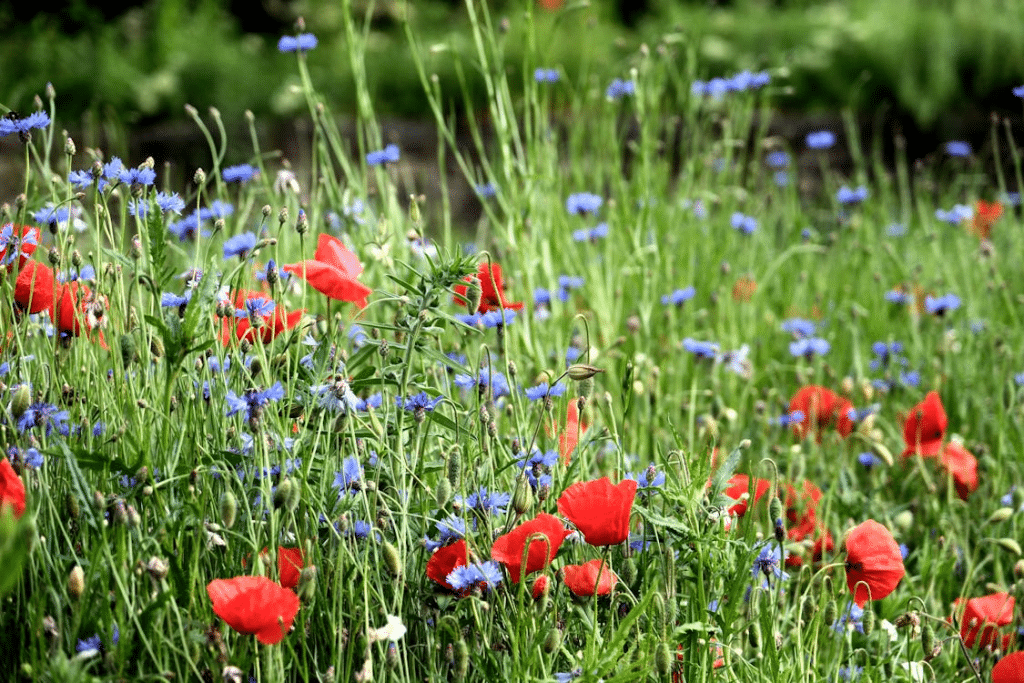
Seasonal planting aligns crops and flowers with ideal growing conditions, including sunlight, temperature, and soil moisture. This natural approach reduces the need for chemical fertilizers, excessive watering, and pest interventions.
Additionally, rotating plants and planting by season encourages biodiversity. Pollinators and beneficial insects thrive in gardens with varied, seasonally appropriate plants. This helps maintain ecological balance and long-term garden health.
1. Plan Ahead for Each Season
Successful seasonal gardening starts with planning. Understanding what plants grow best in spring, summer, fall, and winter ensures continuous productivity and visual appeal.
Tips for planning:
- Use a planting calendar to map crops and flowers.
- Consider succession planting to maximize yield.
- Check local frost dates to time planting appropriately.
Planning ahead reduces wasted effort and prevents plants from being exposed to unsuitable conditions.
2. Incorporate Native Plants
Native plants are adapted to local climates and soils, making them ideal for seasonal planting. They often require less water and care, while supporting local pollinators.
Examples:
- Spring bulbs like daffodils and tulips.
- Summer perennials like coneflowers and black-eyed Susans.
- Fall bloomers like asters and chrysanthemums.
Using native plants simplifies maintenance and enhances the natural beauty of your garden.
3. Rotate Vegetables for Better Yield
For vegetable gardens, crop rotation is essential. Different plants deplete different nutrients, and rotating crops reduces soil fatigue and disease risk.
Rotation tips:
- Alternate legumes, leafy greens, and root vegetables each season.
- Avoid planting the same family in the same soil consecutively.
- Enrich soil with compost or organic fertilizers between rotations.
Proper rotation improves soil health and encourages robust harvests throughout the year.
4. Use Containers and Raised Beds
Containers and raised beds make seasonal planting easier, especially for small spaces or urban gardens. They offer control over soil quality, drainage, and sunlight exposure.
Suggestions:
- Use movable containers to follow sunlight changes across seasons.
- Combine flowers and vegetables in raised beds for visual interest and productivity.
- Fill containers with seasonal crops like lettuce in spring and kale in winter.
These approaches allow gardeners to adapt plantings to each season efficiently.
5. Extend Growing Seasons with Protection
Tools like cold frames, row covers, and greenhouses can extend planting seasons and protect sensitive crops from frost or heat.
Tips:
- Use row covers for early spring or late fall vegetables.
- Greenhouses can host plants year-round.
- Cold frames help seedlings develop before transplanting.
Season extension allows for longer harvest periods and more diverse seasonal plantings.
6. Companion Planting for Healthy Growth
Companion planting supports seasonal gardening by enhancing growth and deterring pests naturally. Certain plant combinations improve nutrient uptake and reduce disease risk.
Examples:
- Plant basil near tomatoes to improve flavor and repel insects.
- Marigolds near vegetables to deter nematodes.
- Beans and corn together to optimize space and nutrient use.
These strategies improve plant health and complement seasonal planning.
Final Thoughts
Implementing gardening ideas that encourage seasonal planting creates a vibrant, productive, and sustainable garden. By planning ahead, using native plants, rotating crops, and utilizing containers or protection methods, gardeners can enjoy fresh produce and blooms all year. Seasonal planting reduces maintenance challenges while promoting biodiversity and ecological balance.
Whether you are a beginner or experienced gardener, integrating seasonal strategies ensures your garden thrives in every part of the year. Small, thoughtful adjustments can lead to impressive results, making gardening both enjoyable and rewarding.
References
- Better Homes & Gardens. Seasonal Gardening Tips. https://www.bhg.com
- Royal Horticultural Society. Planting by Season Guide. https://www.rhs.org.uk
- Gardening Know How. Crop Rotation and Seasonal Planting. https://www.gardeningknowhow.com
- National Gardening Association. Extending Your Growing Season. https://garden.org

 Hidden Benefits of Renting You Might Overlook