Gardening Ideas That Improve Outdoor Spaces
Thaddeus Crowley October 3, 2025
Outdoor spaces provide more than just aesthetic value—they improve mental well-being, encourage physical activity, and create an inviting environment for family and guests. According to The American Society of Landscape Architects, thoughtfully designed gardens can enhance property value, reduce stress, and encourage outdoor social interaction. Whether you have a small balcony, backyard, or large estate, implementing effective gardening ideas can transform any space into a functional and beautiful retreat.

Planning Your Garden
Before planting, careful planning ensures your outdoor space is practical, visually appealing, and sustainable:
- Assess Available Space: Identify sunlight patterns, soil type, and drainage.
- Define Goals: Decide whether the garden will prioritize relaxation, entertainment, food production, or a combination.
- Create Zones: Divide areas for seating, plants, walkways, and activity spaces.
- Choose a Style: Modern, cottage, Mediterranean, or minimalist styles dictate plant and material choices.
Proper planning maximizes the impact of your gardening efforts and ensures long-term enjoyment.
Choosing the Right Plants
Plant selection is crucial for beauty, sustainability, and ease of maintenance:
- Perennials: Flowers like lavender, peonies, and hostas return each year, reducing replanting effort.
- Seasonal Blooms: Incorporate annuals for color rotation throughout the year.
- Edible Plants: Herbs, vegetables, and fruit trees add utility and freshness.
- Native Plants: Adapted to local climates, they require less water and maintenance.
Selecting the right plants ensures a garden that thrives and complements the overall design of your outdoor space.
Incorporating Functional Elements
Gardens are more than plants—they are living spaces:
- Seating Areas: Benches, hammocks, or pergolas encourage relaxation and social gatherings.
- Pathways: Stone, gravel, or wood paths create structure and improve accessibility.
- Water Features: Ponds, fountains, or small streams add tranquility and attract wildlife.
- Lighting: Solar or LED lights enhance ambiance and extend usable hours into the evening.
Functional elements increase usability and make gardens more enjoyable for residents and guests alike.
Enhancing Aesthetics with Design Techniques
A well-designed garden balances color, texture, and structure:
- Layered Planting: Combine tall, medium, and low plants for depth and visual interest.
- Color Coordination: Choose complementary colors or seasonal rotations to maintain appeal.
- Texture Variation: Mix grasses, shrubs, and flowers to create tactile diversity.
- Focal Points: Sculptures, water features, or a statement tree draw the eye and anchor the design.
Design techniques improve visual impact while keeping the garden organized and inviting.
Sustainable Gardening Practices
Eco-friendly gardening conserves resources and supports local ecosystems:
- Composting: Reduces waste and provides nutrient-rich soil.
- Rainwater Harvesting: Collect water to irrigate plants sustainably.
- Pollinator-Friendly Plants: Encourage bees, butterflies, and birds for a thriving ecosystem.
- Minimal Chemical Use: Reduce pesticides and fertilizers to protect soil health.
Sustainable practices enhance garden resilience while contributing positively to the environment.
Vertical and Container Gardening
Limited space doesn’t mean limited gardening possibilities:
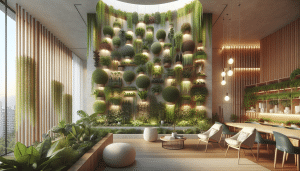
- Vertical Gardens: Use walls, trellises, or vertical planters for herbs, vegetables, or flowers.
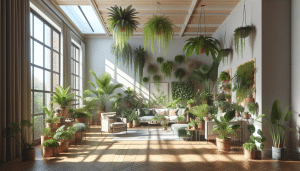
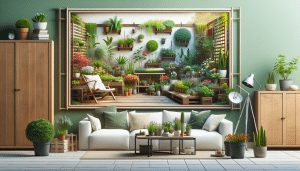
- Container Gardening: Potted plants allow mobility and are ideal for patios or balconies.
- Hanging Baskets: Add dimension and color to otherwise unused spaces.
Vertical and container gardening maximize greenery in small or unconventional areas.
Seasonal Maintenance Tips
Maintaining a garden throughout the year preserves its beauty and functionality:
- Spring: Plant new annuals, fertilize, and prune dead branches.
- Summer: Water deeply, mulch to retain moisture, and control pests.
- Autumn: Remove dead foliage, plant bulbs for spring, and prepare soil.
- Winter: Protect sensitive plants, clean tools, and plan for next year’s layout.
Routine maintenance ensures consistent growth, color, and overall garden health.
Adding Social and Recreational Spaces
Gardens can double as spaces for leisure and social interaction:
- Outdoor Dining: Install tables and grills for family meals or entertaining guests.
- Play Areas: Incorporate safe spaces for children to enjoy nature.
- Meditation Corners: Small, quiet areas for reflection or yoga improve well-being.
- Fire Pits: Provide warmth and ambiance for evening gatherings.
By integrating recreational areas, gardens become more versatile and central to home life.
Smart Gardening Technology
Modern technology can save time and enhance outdoor gardening:
- Automated Irrigation Systems: Ensure consistent watering based on soil moisture and weather conditions.
- Smart Sensors: Monitor soil pH, temperature, and moisture to optimize plant health.
- Garden Apps: Track plant growth, fertilization schedules, and maintenance tasks.
- Solar-Powered Lighting: Reduce energy costs while enhancing ambiance.
Smart technology simplifies garden management and maximizes efficiency without compromising aesthetics.
Conclusion
Gardening ideas that improve outdoor spaces encompass planning, plant selection, design techniques, sustainability, and technology. By thoughtfully designing and maintaining your garden, you can create a space that is visually appealing, functional, and environmentally responsible. Incorporating seating areas, pathways, vertical gardens, and recreational spaces ensures your outdoor area is both enjoyable and practical. Using sustainable practices and smart technology further enhances efficiency and environmental stewardship. Ultimately, investing time and effort into your garden transforms it into a dynamic space that supports relaxation, recreation, and connection with nature. Whether you are an experienced gardener or a beginner, these strategies offer actionable ways to enhance your outdoor spaces, creating a lasting impact on your home and lifestyle.
References:
- American Society of Landscape Architects. (2023). Benefits of Thoughtful Garden Design. https://www.asla.org
- Garden Design Magazine. (2023). Innovative Gardening Ideas for Outdoor Spaces. https://www.gardendesign.com
- Royal Horticultural Society. (2022). Sustainable Gardening Practices. https://www.rhs.org.uk
- Better Homes & Gardens. (2023). Outdoor Garden Planning and Maintenance Tips. https://www.bhg.com
- National Gardening Association. (2022). Using Technology in Modern Gardening. https://www.garden.org

 Wellness Routines That Support Mindfulness