Gardening Ideas That Maximize Outdoor Spaces
Thaddeus Crowley September 29, 2025
Gardening ideas is more than a hobby; it is a way to enhance outdoor spaces, improve mental well-being, and create functional environments. Whether you have a large backyard or a small balcony, thoughtful gardening can maximize available space while adding beauty and utility. By combining design principles, plant selection, and practical layouts, outdoor areas can be transformed into versatile, thriving gardens that suit both lifestyle and aesthetic goals.
Assess Your Space Before Planning
The first step in maximizing an outdoor area is understanding its potential. Measure your space, note sunlight patterns, and assess soil quality. Knowing which areas receive full sun, partial shade, or constant shade will guide plant selection. Consider existing structures, walkways, and boundaries, as well as views or focal points you wish to highlight. A well-assessed space allows for strategic planning that ensures all areas are functional and visually appealing.
Vertical Gardening for Small Areas
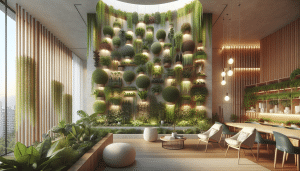
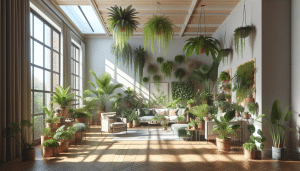
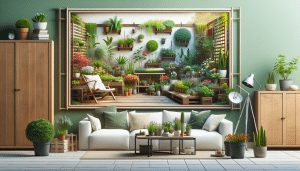
Vertical gardening is an excellent solution for limited spaces. Using trellises, hanging pots, or wall-mounted planters allows plants to grow upwards rather than outwards, freeing up valuable ground space. Climbing vegetables like beans or peas, cascading flowers such as petunias, and even herb gardens can thrive vertically. Vertical arrangements not only maximize usable space but also create visual interest and add layers to outdoor design.
Raised Beds for Efficient Planting
Raised garden beds are practical for both small and large spaces. They define planting areas, improve soil drainage, and reduce weed growth. Raised beds can be constructed from wood, stone, or metal and come in various heights to accommodate gardeners of all ages. These beds allow for dense planting, making efficient use of available space and creating an organized, visually pleasing layout.
Multi-Functional Garden Features
Combining gardening with functional outdoor elements enhances the usability of your space. Planters can double as seating areas, while trellises or pergolas can provide shade and structure for climbing plants. Incorporating walkways, storage solutions, or decorative screens can also optimize the layout. By designing for both aesthetics and function, gardens become comfortable extensions of living spaces rather than purely decorative areas.
Container Gardening for Flexibility
Containers and pots provide versatility in arranging plants and allow gardeners to experiment with layout changes. They are ideal for patios, balconies, and areas with poor soil conditions. Containers can be moved to optimize sunlight exposure or seasonal aesthetics. Grouping containers of varying sizes and heights creates depth and dimension, while still allowing for easy maintenance and access.
Layering Plants for Visual Interest
Layering plants based on height, color, and texture can make outdoor spaces appear larger and more dynamic. Taller plants like shrubs or small trees can be placed at the back or along boundaries, medium-height plants in the middle, and low-growing ground covers at the front. Incorporating seasonal blooms ensures year-round color, while varied textures add richness to the garden. Strategic layering creates depth and a sense of expansiveness even in smaller areas.
Incorporate Paths and Walkways
Pathways guide movement and visually divide spaces, making gardens feel more spacious and organized. Materials such as gravel, stepping stones, or wood create different aesthetics while maintaining functionality. Curved paths can make small gardens appear larger by creating a sense of discovery, while straight paths provide structure in formal layouts. Walkways also protect plants from foot traffic and improve accessibility for maintenance.
Use of Mirrors and Reflective Surfaces
Mirrors and reflective surfaces can be strategically placed to create the illusion of more space. Reflecting sunlight or greenery enhances brightness and makes gardens feel larger than they are. For balconies or small patios, reflective panels on walls or fences can amplify light and add a contemporary design element. Combined with thoughtful plant placement, mirrors visually expand outdoor spaces while contributing to aesthetic appeal.
Select Plants Strategically
Choosing the right plants is crucial for maximizing outdoor spaces. Opt for compact, multi-purpose plants or varieties suited for container or vertical growth. Consider perennials for low-maintenance year-round greenery, or annuals for seasonal pops of color. Plants that attract pollinators such as bees and butterflies also enhance biodiversity and garden health. Strategic plant selection ensures space is fully utilized without overcrowding or compromising visual harmony.
Incorporate Water Features
Small water features, such as fountains, ponds, or birdbaths, add tranquility and focal points to gardens. They can fit into compact areas and create a sense of spaciousness by drawing attention upward and outward. The soothing sound of flowing water enhances relaxation, while reflecting surfaces complement layering and mirrors to make outdoor spaces feel larger. Water elements provide both aesthetic and sensory benefits in a thoughtfully designed garden.
Lighting for Extended Use
Outdoor lighting extends the usability of gardens into the evening while highlighting key features. Solar-powered lights, string lights, or spotlights can accentuate plants, paths, and structures. Proper lighting improves safety, creates ambiance, and enhances the perception of space. Layered lighting, combining functional and decorative sources, ensures that gardens are both inviting and practical at all times.
Seasonal Planning for Year-Round Appeal
To maintain long-term visual appeal, plan gardens with seasonal changes in mind. Incorporating early bloomers, summer flowers, autumn foliage, and winter evergreens ensures color and texture throughout the year. Seasonal rotation in containers and raised beds keeps gardens dynamic while offering opportunities to refresh layouts and optimize space utilization.
Final Thoughts
Maximizing outdoor spaces requires thoughtful planning, creative solutions, and strategic plant choices. Vertical gardening, raised beds, container arrangements, and multi-functional features make even small areas highly functional and visually appealing. Layering plants, adding paths, mirrors, water features, and lighting further enhances perception of space and usability. By approaching gardening with intention and flexibility, any outdoor area can become a thriving, organized, and beautiful extension of living space. These strategies not only improve aesthetics but also encourage relaxation, well-being, and enjoyment of time spent outdoors.
References
- Better Homes & Gardens. Maximizing Small Garden Spaces. https://www.bhg.com
- Royal Horticultural Society. Creative Garden Design Ideas. https://www.rhs.org.uk
- Garden Design. Gardening Tips for Small Spaces. https://www.gardendesign.com
- HGTV. Outdoor Garden Ideas to Maximize Your Space. https://www.hgtv.com

 Wellness Routines That Improve Focus and Energy