Interior Organization Tips That Reduce Stress
Thaddeus Crowley September 29, 2025
The spaces we live in directly influence how we think, feel, and perform. A cluttered home often leads to mental clutter, leaving us feeling drained and unfocused. In contrast, a well-organized interior creates calm, supports productivity, and promotes a sense of balance. Interior organization is more than just a design trend—it’s a wellness practice that has a direct impact on stress reduction. By applying intentional strategies to how we arrange our living spaces, we can transform our homes into supportive environments that improve emotional and physical well-being.
The Psychology of Organized Spaces
Research in environmental psychology shows that clutter competes for our attention, overloading the brain and increasing stress levels. When items are scattered without order, our minds subconsciously register unfinished tasks, leading to mental fatigue. An organized interior helps reduce this cognitive burden, freeing up mental energy for relaxation and creativity. By making organization a priority, we create environments that feel restorative instead of overwhelming.
Decluttering as the First Step
The foundation of stress-free interiors is decluttering. Before considering storage solutions or décor arrangements, it’s essential to evaluate what items actually serve a purpose. Decluttering involves sorting belongings into categories: keep, donate, recycle, or discard. A systematic approach—tackling one room at a time—makes the process manageable. Popular methods such as the KonMari Method emphasize keeping only items that “spark joy.” Decluttering not only clears physical space but also creates a sense of control, reducing anxiety tied to excess possessions.
Smart Storage Solutions
Once clutter is reduced, effective storage ensures that remaining items have designated places. Closed storage such as cabinets, baskets, and drawers minimizes visual chaos, while open shelving works best for items that serve both functional and decorative purposes. Multi-purpose furniture, like ottomans with hidden compartments or bed frames with drawers, maximizes small spaces. Transparent bins and labels make it easier to locate items quickly, preventing frustration. Smart storage turns organization into a sustainable habit instead of a one-time effort.
The Role of Minimalism
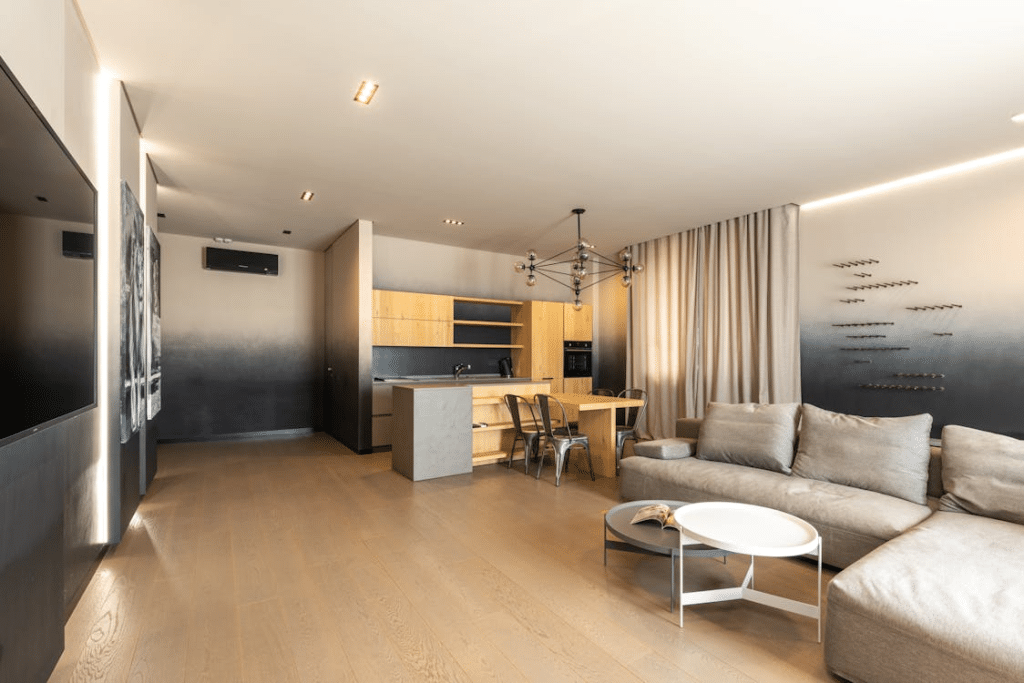
Minimalist design principles align naturally with stress reduction. Minimalism is not about living with the bare minimum but about prioritizing what truly matters. By focusing on functionality and aesthetics, minimalist interiors reduce distractions and promote serenity. Neutral color palettes, simple furniture, and uncluttered surfaces all contribute to a calming environment. Even adopting minimalism in specific areas, such as a bedroom or workspace, can create havens of tranquility within a home.
Organizing High-Traffic Areas
Certain parts of the home—like entryways, kitchens, and living rooms—are prone to clutter because they serve multiple functions. Organizing these high-traffic zones can significantly reduce daily stress. Entryways benefit from hooks for coats, trays for keys, and shoe racks to prevent pile-ups. Kitchens thrive on a “zone system,” where utensils, cookware, and pantry items are grouped based on usage. Living rooms stay calmer with baskets for remote controls, designated spaces for books, and concealed storage for electronics. By establishing order in these areas, the entire home feels more manageable.
Bedroom Organization for Better Sleep
The bedroom should be a sanctuary, yet clutter often disrupts its calming effect. Organizing this space directly supports emotional health by promoting restful sleep. Under-bed storage keeps seasonal items out of sight, while bedside tables with drawers prevent surface clutter. Choosing calming colors and limiting décor to essentials fosters a peaceful atmosphere. A clean, organized bedroom signals to the brain that it’s time to rest, reducing nighttime stress and improving overall sleep quality.
Workspace Organization for Focus
With remote and hybrid work becoming common, home workspaces have taken on new importance. A cluttered desk can lead to distraction and reduced productivity, while an organized workspace supports focus and efficiency. Cable organizers, vertical file holders, and drawer dividers keep supplies in order. Positioning the desk near natural light improves mood and energy levels. Incorporating plants or simple décor adds visual calm without creating clutter. By curating the workspace intentionally, individuals reduce stress and boost performance.
Digital Organization and Its Impact
Interior organization extends beyond physical spaces into the digital world. Messy cords, stacks of unread mail, and scattered gadgets contribute to a sense of disorder. Creating designated charging stations, organizing cables, and limiting visible tech helps minimize visual stress. Similarly, adopting habits like digital decluttering—clearing inboxes, deleting unused apps, and organizing files—reduces mental overload. A streamlined digital environment complements physical organization, enhancing overall calm.
Incorporating Natural Elements
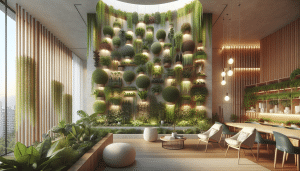
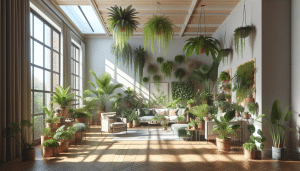
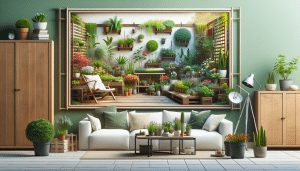
Bringing nature into interiors can reduce stress and support organization. Houseplants not only improve air quality but also add a calming presence. Natural materials like wood, stone, and cotton create warmth and balance. Positioning plants near windows, using bamboo baskets, or incorporating natural light supports both aesthetics and wellness. By blending nature with organized interiors, homes become more inviting and restorative.
Color, Lighting, and Atmosphere
Interior organization goes hand in hand with intentional design choices. Calming colors—such as soft blues, greens, and neutrals—reduce overstimulation, while harsh or overly bright tones can increase tension. Proper lighting also plays a role in organization and mood. Layered lighting systems with task, ambient, and accent lights ensure functionality without cluttering the space with excessive fixtures. By considering color and lighting alongside organization, homeowners create interiors that naturally soothe stress.
Maintenance Habits for Long-Term Success
Organized interiors only remain stress-reducing if maintained. Establishing small daily habits prevents clutter from building up again. A “one-minute rule”—handling tasks that take less than a minute immediately—keeps disorder at bay. Weekly routines, such as returning items to their designated spots and re-evaluating possessions, sustain order. Involving all household members in maintaining organization ensures responsibility is shared. Organization becomes less of a task and more of a lifestyle.
Final Thoughts
Interior organization is not just about neatness—it’s a pathway to emotional balance and reduced stress. From decluttering and smart storage solutions to minimalism and mindful design, organized interiors free the mind from distractions and promote peace. Bedrooms become restful sanctuaries, workspaces support productivity, and high-traffic areas stay manageable. By incorporating natural elements, thoughtful color schemes, and consistent maintenance habits, interiors can truly transform into environments that nurture well-being. A calm, organized home creates space for relaxation, focus, and joy in daily life.
References
- Psychology Today. The Link Between Clutter and Stress. https://www.psychologytoday.com
- Mayo Clinic. Sleep and the Bedroom Environment. https://www.mayoclinic.org
- Harvard Business Review. How Workspace Organization Affects Productivity. https://hbr.org
- Architectural Digest. Interior Design Tips for Stress-Free Living.

 Fitness Practices That Fit Any Schedule