Gardening Techniques That Promote Sustainable Growth
Thaddeus Crowley September 29, 2025
Gardening has always been a rewarding way to connect with nature, but in today’s world, it also carries greater responsibility. As concerns about climate change, biodiversity loss, and soil degradation grow, sustainable gardening practices are becoming essential. Instead of relying on chemical-heavy approaches or resource-intensive methods, sustainable gardening focuses on nurturing the land, conserving water, protecting pollinators, and supporting long-term soil health. By applying eco-friendly gardening techniques, homeowners and communities can enjoy vibrant gardens that thrive year after year while minimizing environmental impact.
Building Healthy Soil as the Foundation
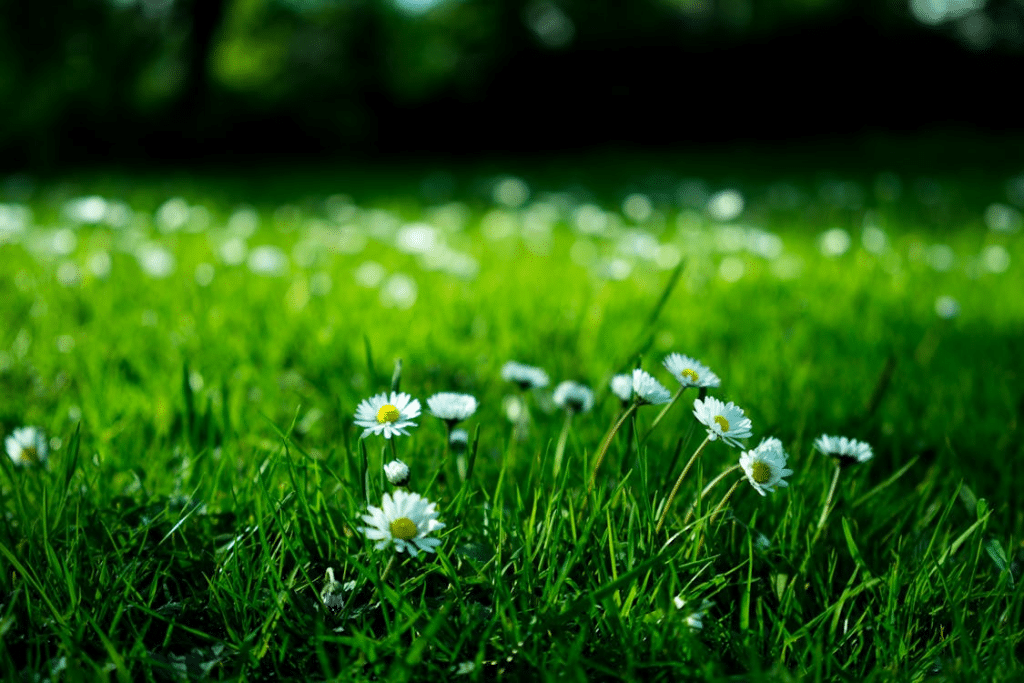
The soil is the heart of any garden, and maintaining its health is critical for sustainable growth. Instead of using synthetic fertilizers that degrade the soil over time, gardeners can enrich it with organic compost, aged manure, and natural mulches. Composting kitchen scraps and yard waste creates a closed-loop system that reduces landfill waste while providing nutrient-rich material for plants. Crop rotation and cover crops also improve soil fertility and prevent nutrient depletion. By treating soil as a living ecosystem, gardeners encourage beneficial microorganisms and earthworms to flourish, creating a natural balance that supports sustainable plant growth.
Composting as a Sustainable Practice
One of the simplest and most effective ways to practice sustainability in the garden is through composting. Instead of discarding food waste, leaves, or grass clippings, gardeners can turn them into a valuable soil amendment. Compost provides slow-release nutrients, improves soil texture, and enhances moisture retention. It also reduces dependency on chemical fertilizers, which can pollute groundwater and harm ecosystems. Modern composting options—such as vermicomposting with worms or Bokashi fermentation—make it possible to adapt composting to different living spaces, from large backyards to small apartments with balconies.
Water Conservation Techniques
Water is a precious resource, and sustainable gardening emphasizes efficient use. Drip irrigation systems deliver water directly to plant roots, reducing evaporation and runoff. Rainwater harvesting through barrels or cisterns allows gardeners to collect and reuse natural rainfall instead of relying solely on municipal supplies. Mulching around plants further reduces water loss by keeping soil moist and cool. Selecting drought-tolerant or native plants that require less water also contributes to long-term sustainability. These methods not only conserve water but also reduce utility costs while ensuring gardens remain resilient during dry seasons.
Choosing Native and Climate-Appropriate Plants
Plant selection plays a major role in sustainable gardening. Native plants are naturally adapted to local soil, climate, and rainfall conditions, making them easier to maintain without excessive watering or fertilizers. They also provide critical habitat and food for local pollinators, birds, and beneficial insects. Climate-appropriate plants—those suited to a gardener’s specific region—are more resistant to pests and diseases. This reduces the need for chemical interventions and creates a self-sustaining garden ecosystem. By embracing biodiversity and choosing plants that fit the environment, gardeners promote resilience and ecological balance.
Integrated Pest Management (IPM)
Chemical pesticides can harm pollinators, contaminate water sources, and damage soil health. A sustainable alternative is Integrated Pest Management (IPM), which combines natural methods to control pests while minimizing ecological disruption. Techniques include planting pest-repelling companion plants, introducing beneficial insects like ladybugs and lacewings, and using organic sprays made from neem oil or garlic. Physical barriers such as row covers also prevent pests without chemicals. IPM focuses on prevention and ecosystem balance, ensuring that pest control methods support long-term sustainability rather than quick fixes that cause harm.
Mulching for Soil Health and Sustainability
Mulching is a simple yet powerful technique for promoting sustainable gardening. Organic mulches like straw, wood chips, or shredded leaves provide multiple benefits: they retain moisture, suppress weeds, regulate soil temperature, and decompose over time to enrich the soil. Mulching reduces the need for herbicides and irrigation while encouraging earthworms and beneficial microbes. Beyond its practical benefits, mulching also improves garden aesthetics, creating a neat and well-maintained appearance that aligns with ecological gardening principles.
Crop Rotation and Diversity
Monoculture—growing the same crop year after year—depletes soil nutrients and increases vulnerability to pests. Sustainable gardening instead emphasizes crop rotation and plant diversity. By rotating crops, nutrients are used more efficiently, and soil is given time to regenerate. Planting a variety of vegetables, herbs, and flowers together also discourages pest outbreaks and promotes resilience. Companion planting, such as growing basil near tomatoes or marigolds near beans, naturally enhances plant health while reducing reliance on chemical treatments. Diversity ensures that gardens remain productive and balanced across growing seasons.
Organic Fertilizers and Natural Amendments
When additional nutrients are needed, organic fertilizers provide sustainable alternatives to synthetic products. Options like fish emulsion, seaweed extract, bone meal, and compost tea deliver essential minerals in forms that support soil health. These natural amendments release nutrients slowly, preventing over-fertilization and runoff that damages waterways. Homemade solutions such as banana peel fertilizer or eggshell powder also provide cost-effective ways to feed plants. Organic fertilizers nourish both plants and soil life, creating a sustainable cycle of growth.
Encouraging Pollinators and Wildlife
Pollinators are essential for food production and biodiversity, yet their populations face serious decline. Sustainable gardening supports pollinators by planting nectar-rich flowers, providing water sources, and avoiding pesticides. Wildflowers, lavender, sunflowers, and native flowering shrubs are excellent choices for attracting bees and butterflies. Beyond pollinators, sustainable gardens can support birds, frogs, and beneficial insects by creating habitats such as birdhouses, log piles, and small ponds. By encouraging wildlife, gardeners contribute to a thriving ecosystem that sustains plant growth naturally.
Reducing Waste and Using Recycled Materials
Sustainability extends to the materials used in the garden. Instead of purchasing new plastics or single-use items, gardeners can repurpose containers, pallets, and household items. Old buckets become planters, wine bottles serve as edging, and wooden crates transform into raised beds. These practices reduce waste, lower costs, and add creativity to garden design. By recycling and reusing, gardeners close the loop and reduce their environmental footprint while maintaining style and functionality.
Community and Shared Gardening Practices
Sustainable gardening can also flourish at the community level. Shared gardens, seed swaps, and neighborhood composting programs strengthen social ties while reducing environmental impact. Community gardens often emphasize organic practices, biodiversity, and resource-sharing, making them hubs for sustainability education. These collective efforts encourage people to grow food locally, reduce reliance on industrial agriculture, and promote healthier, more sustainable lifestyles.
The Future of Sustainable Gardening
As environmental awareness grows, sustainable gardening is likely to evolve with more innovation and accessibility. Smart irrigation systems, biodegradable pots, and apps that track soil health are already making eco-friendly gardening more efficient. Educational initiatives and community-driven programs continue to spread awareness about sustainable techniques. By embracing these practices, gardeners not only create healthier, more resilient gardens but also contribute to broader environmental conservation efforts.
Final Thoughts
Gardening techniques that promote sustainable growth go beyond aesthetics—they focus on building ecosystems that thrive for generations. From composting and water conservation to native planting, IPM, and pollinator support, each method contributes to healthier soil, reduced resource use, and stronger biodiversity. Whether practiced in small urban spaces or large community gardens, sustainability ensures that gardens remain productive, resilient, and environmentally responsible. By adopting these techniques, gardeners not only enjoy vibrant harvests but also play a role in protecting the planet.
References
- The Spruce. Sustainable Gardening Practices. https://www.thespruce.com
- Royal Horticultural Society. Soil and Sustainability. https://www.rhs.org.uk
- National Wildlife Federation. Gardening for Wildlife. https://www.nwf.org
- U.S. Environmental Protection Agency. Composting at Home. https://www.epa.gov

 Wellness Practices That Support Emotional Health