Simple Secrets to Boost Your Indoor Plant Success
Thaddeus Crowley September 29, 2025
Unlock practical strategies for thriving indoor plants with this complete guide to care, selection, and troubleshooting. Discover key steps that boost greenery in living spaces, support healthier air quality, and make plant care easier for anyone interested in home gardening.
Understanding the Benefits of Indoor Plants
Adding indoor plants to your living space does more than provide beautification. These green companions improve air quality by filtering toxins from the atmosphere. Studies have shown that common houseplants such as spider plants, pothos, and snake plants can significantly reduce the presence of formaldehyde, benzene, and xylene, making your home a healthier place to relax and work. Beyond air purification, indoor plants can also support mood regulation and reduce feelings of stress through their presence and maintenance routines. This psychological benefit, in turn, may boost creativity and overall wellbeing for those in the space.
Plants in the home play a crucial role in maintaining balanced humidity and contribute to a cooler environment during hot seasons. The natural process of transpiration, where moisture moves from plant leaves into the air, helps regulate indoor climates. As a complementary benefit, this increased humidity can provide relief for dry skin and respiratory discomfort, especially during colder months when heating systems dry out the air. By selecting a variety of foliage and flowering plants, you encourage biodiversity indoors, which can be both visually pleasing and mentally stimulating.
In addition to health and comfort benefits, indoor plants provide unique design opportunities. Whether you prefer lush ferns that frame a reading nook, trailing vines that soften bookshelf lines, or colorful succulents as table accents, plants bring texture and color to decor. They also offer a sense of accomplishment. Watching a plant thrive with your care can be rewarding, especially for novices eager to create a productive indoor garden. Many people enjoy experimenting with plant arrangements, finding joy in moving pots to new lighting spots, and tracking growth. These simple acts build a dynamic habitat right at home.
Choosing the Right Plants for Your Space
Selecting indoor plants starts with understanding your household’s unique environment. Lighting is often the most critical factor; consider the orientation and size of your windows before bringing home new greenery. Spaces blessed with southern exposure suit sun-loving varieties, including jade plants, cacti, and rubber trees. For low-light rooms or offices, choose adaptable options such as peace lilies, ZZ plants, or pothos. It’s common to mix several species to ensure greenery thrives throughout different corners of your home, even those with less light than others. Observing where natural sunlight falls at various times of day can help guide you in placing your plants for optimal health (Source: https://extension.psu.edu/care-of-indoor-plants).
Temperature and humidity also influence plant selection. Some plants—like calatheas and philodendrons—prefer humidity and warm drafts, making them ideal for bathrooms and kitchens. In contrast, succulents and cacti prefer drier, well-ventilated environments. Assessing your lifestyle, such as how often you travel, is also important. Low-maintenance varieties such as snake plants or ZZ plants need less frequent watering and can tolerate neglect, while others—like orchids or ferns—demand more attention. Researching each plant’s requirements before purchase reduces disappointment and increases success rates for growers of all experience levels. Nurseries and local garden clubs offer valuable advice tailored to your region and household conditions.
For households with pets or children, safety should guide plant choices. Some widely available indoor species, including pothos, philodendron, and dieffenbachia, can be toxic if ingested. Safer alternatives include spider plants, Boston ferns, and parlor palms. Another aspect to consider is pot size and material. Clay pots provide excellent drainage and root aeration, though they may require more frequent watering than plastic ones. Evaluate available space and future growth of each specimen so the plants remain happy year-round and you avoid the need for constant repotting. Building a plant collection takes some planning but becomes easier with practice and observation.
Mastering Watering and Feeding Techniques
Overwatering remains one of the leading causes of indoor plant decline. Most houseplants prefer their soil to dry out slightly between waterings, rather than remain perpetually damp. Insert a finger about an inch into the soil; if it feels dry, it’s time to water. Different species have unique requirements, but consistency in checking touch and appearance helps prevent root rot. Pots with drainage holes are essential. Allow excess water to escape freely. Pair watering with drainage trays to protect furniture, but always pour off any standing water after 30 minutes to avoid swampy conditions. Remember, it’s easier to revive a thirsty plant than one suffering from too much moisture (Source: https://hgic.clemson.edu/factsheet/indoor-plants-watering).
Understanding plant nutrition is also critical. Repotting into fresh, nutrient-rich potting mixes twice per year supports healthy new growth. Many indoor plants benefit from monthly applications of water-soluble fertilizer during spring and summer, when they are actively growing. In autumn and winter, taper off feeding or stop altogether, as most houseplants enter dormancy and do not require additional nutrients. Be cautious not to over-fertilize—excess nutrients can damage roots and cause leaf browning. Examine leaves for cues: pale leaves often signal nutrient deficiency, while burnt tips may mean too much fertilizer. Adjust feeding schedules as necessary for each plant type and age.
Grouping plants by their water and feeding needs simplifies maintenance. For instance, moisture-loving ferns can be clustered together and watered more often, while succulents occupy a separate, drier corner. Using self-watering pots or placing plants on humidity trays (a shallow tray with pebbles and water) allows for better control in busy households. Keeping a plant care journal or setting reminders can also help avoid missed waterings or feedings. This structured approach serves both beginners and seasoned plant lovers, ensuring consistent routines and more robust, long-lasting plants in your home garden.
Lighting Tips and Tricks for Indoor Greenery
Lighting remains a cornerstone for healthy indoor plant growth. Each plant variety has a preferred spectrum and intensity. Direct sunlight streaming through windows is perfect for cacti, succulents, and select flowering plants. However, many foliage species appreciate bright, indirect light—meaning light filtered through curtains or reflected off walls. For homes with limited daylight, consider rotating your collection so every plant enjoys some time closer to the window each week. Keeping leaves clean from dust can also enhance light absorption, ensuring efficient photosynthesis (Source: https://www.rhs.org.uk/advice/profile?PID=281).
Artificial lights bridge gaps in natural lighting. LED grow lights offer energy-efficient solutions for indoor gardeners, providing full-spectrum warmth all year. Place these lights about 6 to 12 inches above the plant canopy for best results, ensuring they’re on for 12 to 16 hours per day to mimic sunlight. Some innovative home systems automate lighting based on set schedules or sensors, giving urban gardeners more control. Light placement is crucial; too much can burn foliage, while too little encourages leggy stems. Experimentation and observation will reveal the right balance for your particular household arrangement.
Each season brings shifting light patterns. Summer offers longer days but can also intensify heat, requiring more careful placement away from scorching windows. Winter’s short, muted sunlight may call for a temporary reshuffling of plants or boosting artificial supplementation. Hanging mirrors or using light-reflective surfaces can brighten dark nooks where sunlight struggles to reach. By understanding natural rhythms and adjusting as conditions evolve, it’s possible to cultivate vibrant plants in all seasons, maximizing indoor growing success across climates and locations.
Troubleshooting Common Indoor Plant Issues
Even the most attentive indoor gardeners encounter occasional setbacks. Yellowing leaves, wilting, or browning at the tips often stem from inconsistent watering, lighting, or feeding routines. Examine your plant closely: check the soil moisture, observe which leaves are affected (old or new?), and note any recent changes in environment or schedule. Keeping a journal of waterings and feedings may help identify patterns and enable quicker corrections. Sometimes, the issue may stem from tap water high in salts or chemicals. In these cases, switching to distilled or rainwater can help over time (Source: https://hgic.clemson.edu/factsheet/growing-indoor-plants-with-success).
Pests also pose a threat to indoor plants. Watch for sticky leaf surfaces, cottony clusters, or tiny webs—signs of common insects like spider mites, mealybugs, or aphids. Catching infestations early makes treatment easier. Gently wipe leaves with a damp cloth or use insecticidal soap as a first step. Isolate any affected plants to prevent cross-contamination. Strong, thriving plants are less likely to succumb to pests, so maintaining top conditions goes a long way toward prevention. Always stay vigilant for new symptoms when introducing fresh plants into your space.
Root rot can devastate even healthy-looking plants. It often results from excess water and poor drainage. To check for rot, look for wilting that doesn’t improve after watering or dark, mushy roots. Repotting into fresh, dry soil and trimming away damaged roots can sometimes save the plant. For persistent challenges, consult local garden centers, cooperative extension services, or online plant care communities, who often have specific advice for recurring problems. Tackling challenges head-on builds confidence and deeper understanding of home gardening techniques.
Creative Ways to Showcase and Propagate Indoor Plants
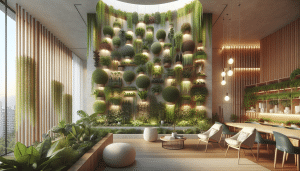
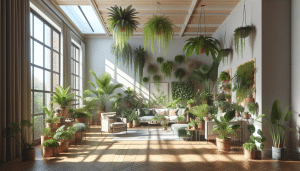
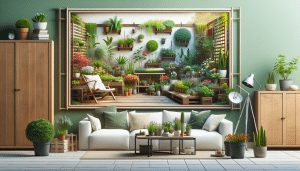
Designing attractive plant displays can transform rooms into vibrant retreats. Try grouping similar pots together for a lush, layered effect or suspending trailing species from hanging baskets to utilize vertical space. Floating shelves, macrame hangers, and window ledges provide creative zones for smaller specimens. Consider seasonal rotations—use flowering plants in spring and summer while favoring sculptural, evergreen foliage during colder months. Incorporating unusual planters, such as vintage vessels or geometric holders, adds a unique touch to any display.
Propagation allows for expansion of your indoor garden without added cost. Many plants are readily multiplied by cuttings. For instance, take a piece of pothos or spider plant, place it in fresh water, and watch roots develop within a few weeks. Once established, these cuttings can be planted in new pots or shared with neighbors and friends. Layering, division, and leaf cuttings are additional techniques. Detailed instructional videos and trusted gardening guides offer step-by-step support. The propagation process is both educational and satisfying for individuals seeking affordable growth and sustainability.
Sharing homegrown plants builds a sense of community within neighborhoods or workplaces. Swapping cuttings during gatherings or joining local plant swaps introduces new varieties and fosters friendships. It empowers gardeners to troubleshoot common challenges together, exchange tips, and build a wider appreciation for indoor greenery. Documenting these efforts, whether through photo journals or social media, celebrates success and inspires others to join the thriving world of home gardening (Source: https://extension.umn.edu/houseplants/propagating-houseplants).
References
1. Penn State Extension. (n.d.). Care of Indoor Plants. Retrieved from https://extension.psu.edu/care-of-indoor-plants
2. Clemson Cooperative Extension. (2023). Indoor Plants – Watering. Retrieved from https://hgic.clemson.edu/factsheet/indoor-plants-watering
3. Royal Horticultural Society. (n.d.). Lighting for Houseplants. Retrieved from https://www.rhs.org.uk/advice/profile?PID=281
4. Clemson Cooperative Extension. (2023). Growing Indoor Plants with Success. Retrieved from https://hgic.clemson.edu/factsheet/growing-indoor-plants-with-success
5. University of Minnesota Extension. (n.d.). Propagating Houseplants. Retrieved from https://extension.umn.edu/houseplants/propagating-houseplants
6. NASA. (1989). Interior Landscape Plants for Indoor Air Pollution Abatement. Retrieved from https://ntrs.nasa.gov/citations/19930073077

 Unlock The Power of Collagen for Radiant Skin