Gardening Techniques That Encourage Pollinator Growth
Thaddeus Crowley September 25, 2025
Pollinators such as bees, butterflies, hummingbirds, and other insects play a crucial role in plant reproduction. They are responsible for pollinating flowers, fruits, and vegetables, directly impacting biodiversity and food production. In recent years, pollinator populations have declined due to habitat loss, pesticide use, and climate change. By incorporating pollinator-friendly gardening techniques, gardeners can contribute to the survival of these species while improving their own garden’s productivity and ecological health.
Choosing Pollinator-Friendly Plants
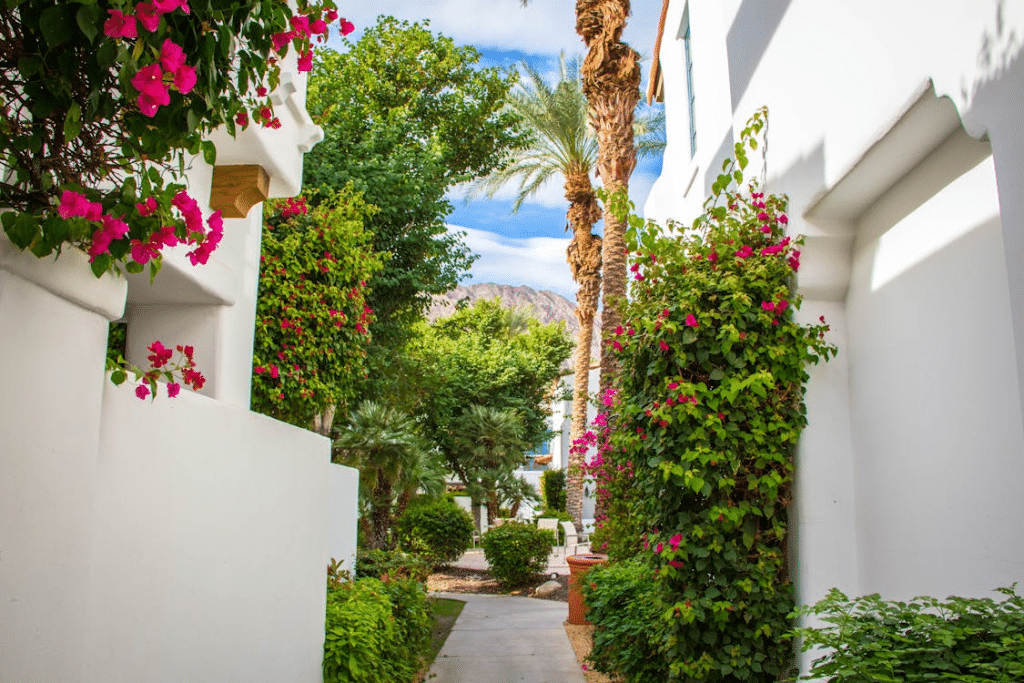
Selecting the right plants is the first step in attracting pollinators. Native plants are particularly effective, as they have co-evolved with local pollinator species and provide essential nectar and pollen. Examples include milkweed, coneflowers, and goldenrod. Planting a variety of flowering species ensures that pollinators have access to nectar throughout the growing season. Including plants that bloom at different times of the year creates a continuous food source, supporting pollinator health and encouraging repeat visits to the garden.
Designing Diverse Plant Layers
Gardens that include multiple layers of vegetation provide habitat and foraging opportunities for a wide range of pollinators. Incorporating ground covers, shrubs, and flowering trees creates structural diversity and attracts different species. Low-growing herbs like thyme or lavender can support small insects, while taller flowering shrubs like butterfly bush provide perching and feeding areas for butterflies and hummingbirds. Layered planting also improves overall garden resilience, reduces soil erosion, and enhances aesthetic appeal.
Avoiding Pesticides and Chemicals
Chemical pesticides and herbicides are harmful to pollinators, disrupting their behavior and reproductive cycles. Gardeners can adopt integrated pest management (IPM) techniques to control pests without harming beneficial insects. Using natural predators, hand-picking pests, or applying organic treatments preserves pollinator populations. Maintaining a pesticide-free environment encourages pollinators to frequent the garden consistently, increasing pollination efficiency for flowers, fruits, and vegetables.
Providing Nesting and Shelter Options
Pollinators need safe places to rest, nest, and reproduce. Bees, for example, benefit from nesting boxes, hollow stems, or bare soil patches for ground-nesting species. Butterflies and hummingbirds require dense shrubs or protected areas to roost. Incorporating logs, stones, and undisturbed garden corners provides additional shelter. By providing nesting opportunities, gardeners create a supportive environment that promotes long-term pollinator growth and stability within the ecosystem.
Planting in Clusters and Patterns
Planting flowers in clusters rather than scattering individual plants increases pollinator attraction. Large groups of the same species make it easier for insects to locate nectar and pollen. Mixing complementary colors and fragrances can further entice pollinators. Arranging plants in layers and patterns encourages movement throughout the garden, enhancing pollination rates and improving the overall health of plants.
Maintaining a Continuous Bloom Cycle
To support pollinators year-round, it is important to maintain a continuous bloom cycle. Select early-blooming, mid-season, and late-blooming plants to provide consistent resources. Examples include crocuses and primroses in early spring, coneflowers and sunflowers in summer, and goldenrod or asters in fall. Continuous blooms help sustain pollinator populations and ensure that essential food sources are available during critical periods.
Incorporating Water Sources
Pollinators also require water for hydration and temperature regulation. Shallow water features such as birdbaths, small ponds, or water dishes with stones provide safe landing spots for bees and butterflies. Moving water features, like fountains, can prevent stagnation and attract a wider variety of pollinators. Maintaining clean, accessible water sources supports pollinator health and encourages them to frequent the garden regularly.
Companion Planting Strategies
Companion planting can enhance pollinator growth while benefiting the garden ecosystem. Pairing pollinator-friendly plants with vegetables or fruit trees improves yield and overall plant health. For instance, planting marigolds near tomatoes attracts pollinators while deterring pests. Herbs like basil, mint, and dill support both pollinators and beneficial insects, creating a balanced and productive garden environment. Strategic companion planting maximizes both ecological and agricultural benefits.
Seasonal Maintenance for Pollinator Health
Proper seasonal maintenance ensures that gardens remain hospitable to pollinators year-round. Avoid removing all plant debris in fall, as some pollinators use stems and leaves for overwintering. Mulching, pruning, and replanting should be done thoughtfully to maintain habitat and continuous food sources. Regularly monitoring the garden for invasive plants or environmental stressors protects pollinator populations while preserving garden productivity and biodiversity.
Community and Educational Opportunities
Gardening to support pollinators can extend beyond individual gardens. Participating in community pollinator projects, planting in public spaces, or educating neighbors about pollinator-friendly techniques strengthens local ecosystems. Schools, community gardens, and civic groups can adopt pollinator gardens to foster awareness and inspire others to contribute. Engaging communities in pollinator conservation amplifies the positive impact of individual efforts.
Final Thoughts
Gardening techniques that encourage pollinator growth benefit both the environment and the gardener. By choosing native and pollinator-friendly plants, creating diverse garden layers, providing water and shelter, and avoiding harmful chemicals, gardeners can support healthy pollinator populations. Seasonal maintenance, companion planting, and community engagement further enhance these efforts. Mindful garden design fosters thriving pollinator ecosystems while improving garden productivity, beauty, and sustainability. By prioritizing pollinators, gardeners contribute to biodiversity, strengthen ecological networks, and enjoy a more vibrant, resilient garden.
References
- Xerces Society for Invertebrate Conservation. Pollinator Habitat Guidelines. https://www.xerces.org
- National Wildlife Federation. Creating a Pollinator-Friendly Garden. https://www.nwf.org
- USDA. Pollinator Conservation and Gardening. https://www.usda.gov
- Royal Horticultural Society. Attracting Pollinators to Your Garden. https://www.rhs.org.uk

 Surprising Ways You Can Boost Indoor Plant Wellness