Interior Decor Ideas That Make Small Spaces Feel Larger
Thaddeus Crowley September 25, 2025
Living in a small space comes with both limitations and opportunities. Limited square footage can make a home feel cramped, cluttered, or even stressful. However, with the right interior decor strategies, small spaces can feel open, inviting, and functional. The key is to combine clever design, smart furniture choices, and visual tricks that create the perception of space while maintaining comfort and style.
Use Light Colors to Open Up Rooms
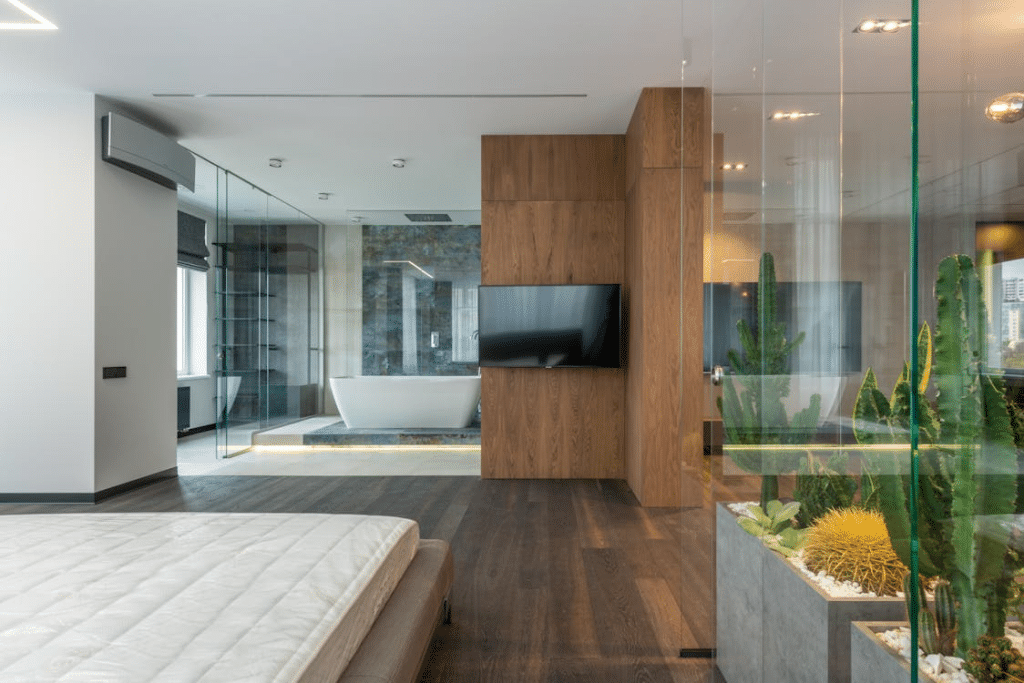
One of the simplest ways to make a room feel larger is through color. Light, neutral colors such as white, beige, pastels, and soft grays reflect more light, giving the illusion of a more expansive space. Walls, ceilings, and even large furniture pieces painted in light shades help avoid visual congestion. Combining light colors with contrasting accents can maintain personality and warmth without reducing the sense of openness. According to Houzz, lighter palettes consistently rank as one of the most effective strategies for maximizing small spaces.
Maximize Natural Light
Natural light has a significant impact on the perceived size of a room. Large windows, sheer curtains, and strategically placed mirrors can enhance sunlight flow and make spaces feel airy. Removing heavy drapery and using minimal window treatments ensures that light is not blocked. Additionally, placing mirrors opposite windows reflects light deeper into the room, doubling the visual effect and creating the perception of more space.
Strategic Use of Mirrors
Mirrors are one of the most powerful tools for visually expanding a space. Floor-to-ceiling mirrors, mirrored furniture, or wall-mounted reflective panels can make small rooms feel larger and brighter. Positioning mirrors to reflect focal points, such as artwork or plants, adds depth while maintaining style. This technique is especially effective in narrow hallways or compact living areas.
Multi-Functional Furniture
In small spaces, furniture that serves multiple purposes is essential. Pieces such as storage ottomans, sofa beds, fold-out desks, and expandable dining tables maximize functionality without overcrowding the room. For example, a bed with built-in drawers can reduce the need for additional storage furniture, freeing up floor space. Using versatile furniture allows for a cleaner layout, which makes a space feel less cluttered and more expansive.
Vertical Storage Solutions
Vertical space is often underutilized in small rooms. Installing shelves, tall cabinets, or wall-mounted storage units draws the eye upward, creating the illusion of height. Vertical storage also helps keep floors clear, which prevents the room from feeling cramped. According to Architectural Digest, using vertical storage is one of the most recommended methods for organizing small spaces efficiently while maintaining style.
Minimalism and Decluttering
Minimalism is a key principle in making small spaces feel larger. Removing unnecessary items, organizing essentials, and maintaining clean surfaces helps open up visual space. Using storage solutions like baskets, boxes, or hidden cabinets can reduce clutter while keeping necessary items accessible. A minimalist approach ensures that every item in a small room has a purpose, enhancing both functionality and aesthetics.
Open Floor Plans and Flow
Creating an open floor plan or improving the flow between areas can make small spaces feel larger. Avoid placing bulky furniture in high-traffic areas, and keep pathways clear. Even minor adjustments, such as moving a sofa slightly away from a wall or aligning furniture to promote movement, can increase the perception of openness. Strategic arrangement also helps different functional zones—living, dining, workspace—feel more cohesive and spacious.
Light-Reflecting Surfaces and Materials
In addition to mirrors, using light-reflecting materials such as glass, acrylic, and polished metals enhances the sense of space. Glass tables, acrylic chairs, and metallic accents reflect light and prevent the room from feeling visually heavy. Light-reflective surfaces create a clean, airy aesthetic while complementing other design elements.
Smart Use of Rugs and Patterns
Rugs and patterns can define spaces and guide visual flow. Light-colored rugs with subtle patterns can visually enlarge a room, while dark or heavily patterned rugs can make a space feel smaller. For rooms with multiple functions, rugs help delineate areas without physical barriers. Vertical stripes, subtle geometric patterns, and small-scale prints are recommended for creating the illusion of height and depth.
Layered Lighting for Depth
Layered lighting adds both functionality and perception of space. Combining ambient lighting (ceiling lights), task lighting (desk lamps or under-cabinet lights), and accent lighting (wall sconces or LED strips) creates depth and dimension. Properly illuminated corners appear less cramped, and layered lighting emphasizes openness and warmth. Using dimmable options allows flexibility for different moods and functions.
Adding Plants and Natural Elements
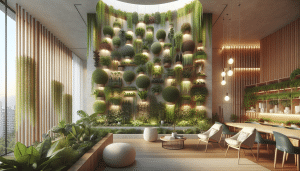
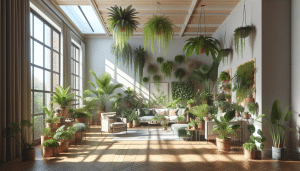
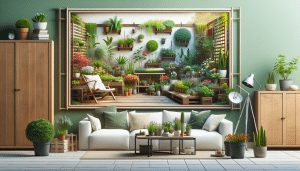
Incorporating plants and natural elements adds life and freshness to small spaces. Vertical plant stands, hanging planters, or compact potted plants introduce greenery without occupying excessive floor space. Plants also contribute to visual depth, making rooms feel less boxed in. Additionally, natural textures like wood or woven materials create warmth, balancing the clean, light-filled design of small interiors.
Choosing the Right Accessories
Accessories should enhance rather than crowd a small space. Large, bulky décor can overwhelm a room, whereas carefully chosen, proportionate pieces add personality without diminishing openness. For example, a single statement art piece or a few strategically placed decorative items can create focus while maintaining airy aesthetics. Using reflective or transparent materials for accessories further preserves the sense of space.
Maintaining Consistency in Design
Consistency in color schemes, materials, and furniture styles helps small rooms appear cohesive and larger. Mixing too many patterns, colors, or textures can make spaces feel fragmented and confined. Keeping design elements aligned visually draws the eye naturally around the room, creating harmony and a perception of expansiveness.
Final Thoughts
Small spaces present unique challenges, but thoughtful interior decor strategies can transform them into comfortable, stylish, and open environments. By utilizing light colors, maximizing natural light, incorporating mirrors, choosing multifunctional furniture, using vertical storage, minimizing clutter, optimizing flow, layering lighting, and carefully selecting décor, small rooms can feel much larger than their actual size. Consistent application of these design principles creates homes that are both practical and visually appealing, proving that size does not have to limit style or comfort.
References
- Houzz. Small Space Design Tips. https://www.houzz.com
- Architectural Digest. Maximizing Space in Small Homes. https://www.architecturaldigest.com
- Elle Decor. Design Tricks to Make Rooms Feel Bigger. https://www.elledecor.com
- Better Homes & Gardens. Decorating Small Spaces. https://www.bhg.com

 Fitness Challenges That Are Fun for All Ages