Secrets You Might Not Know About Smart Home Gardening
Thaddeus Crowley September 23, 2025
Explore the fascinating world of smart home gardening, blending technology and sustainability for modern living. Learn how automated systems, clever garden layouts, water efficiency, and even indoor planting can transform any home environment while supporting healthy growth and eco-friendly practices.
Unveiling the Power of Smart Home Gardening
Smart home gardening has grown from a niche hobby to a mainstream lifestyle choice. Integrating innovative technology with age-old gardening traditions, this approach empowers homeowners to cultivate thriving gardens with less effort and greater success. Home garden automation systems, such as app-controlled irrigation, remote soil sensors, and light-adaptive grow lamps, allow for precise monitoring and adjustment. This means healthier plants and more efficient resource use—without constant manual work.
The appeal of home garden automation lies in its flexibility. Beginners can install starter kits, including basic moisture sensors and timers, while advanced gardeners might embrace fully integrated smart apps and AI-driven data analytics. These tools help track plant health, remind you of fertilizing schedules, and detect changes in climate or disease early. By turning routine chores into automated processes, individuals reclaim their time yet still enjoy the satisfaction of nurturing life at home. For apartment dwellers or those with busy lifestyles, these innovations open up possibilities that were once unreachable.
What drives the popularity of smart gardening is not just convenience, but also the potential for sustainability. Efficient systems, like drip irrigation and solar-powered lights, significantly reduce water and energy use compared to traditional gardening. This shift toward eco-friendly gardening aligns with growing interest in conservation and self-sufficiency. Families and individuals can feel empowered knowing they’re using less water, slashing utility bills, and contributing to a greener planet—all from the comfort of home. (Source: https://www.epa.gov/watersense)
Designing Smart Gardens to Fit Every Space
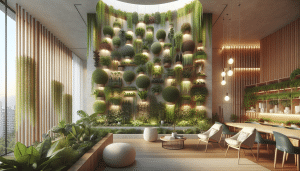
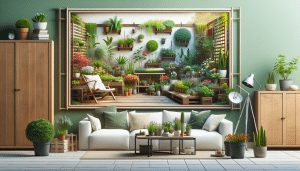
No yard? No problem. Modern smart gardening techniques adapt to any environment, from spacious backyards to tiny balconies. Vertical gardens use modular panels and stackable plant pots that maximize growth in compact spaces—ideal for urban living. Wall-mounted indoor gardens allow fresh herbs and greens to thrive inside, right where they’re needed in the kitchen. By integrating automated drip irrigation and self-watering planters, upkeep is minimized while output is maximized. This creative use of space ensures even small homes can reap the benefits of homegrown produce or fragrant blooms.
Layout also influences the effectiveness of garden automation. Strategic placement of sensors in garden beds ensures even the most remote corners receive optimal care. Smart lighting systems can be programmed to adjust intensity according to the daylight cycle or plant requirements, accommodating everything from succulents to shade-loving ferns. Raised beds fitted with embedded moisture meters help gardeners know exactly when to water or fertilize. These design choices support both healthy plant development and the efficient use of available resources, making smart gardening an accessible solution for all housing types.
Evolving technology has made designing a smart garden easy, regardless of prior expertise. Many systems offer intuitive mobile apps that walk users through setup, from selecting compatible sensors to mapping out watering zones. Others provide recommendations for the best crops to grow in a given space, based on real-time environmental readings. This democratization of smart gardening enables everyone—from urban apartment dwellers to suburban families—to personalize their plant selection and automate care routines to fit unique needs. (Source: https://communitygarden.org/resources/starting-a-garden/)
Intelligent Irrigation for Water-Wise Living
Water conservation is fundamental for sustainable home gardening. Smart irrigation systems transform how gardens are watered. Instead of relying on set schedules, these systems measure soil moisture and weather conditions in real time. If rain is predicted, automated controllers postpone watering, while drought periods prompt additional hydration. This reduces unnecessary water use and keeps plants healthier compared to manual methods. For those in drought-prone regions, such water-efficient practices are vital for both the garden and the broader ecosystem.
Water-wise gardening extends to plant choice and landscape design. Selecting drought-tolerant varieties and grouping plants with similar water needs saves both water and effort. Companion planting also improves soil fertility and optimizes natural shade, helping maintain moisture. Automated irrigation supports these concepts by delivering water exactly where and when needed, minimizing run-off and evaporation. Mulching, another water-saving tactic, works hand-in-hand with smart sensors by maintaining stable soil moisture, further reducing the frequency and amount of watering required.
Adopting smart irrigation doesn’t require complex equipment. Many solutions are modular and can be integrated with existing outdoor faucets and hoses. Some garden kits even sync with local weather stations via Wi-Fi, providing hyper-local watering recommendations. The EPA’s WaterSense program highlights products proven to save thousands of gallons each year without sacrificing plant health (Source: https://www.epa.gov/watersense). With these efficient systems, gardeners can join a movement toward responsible water use and resilient green spaces.
Bringing Nature Indoors: Indoor Gardening Innovation
Indoor gardening is a rising trend, offering the joys of nature regardless of outdoor space. Smart hydroponic gardens and countertop grow kits make it simple to cultivate lettuce, herbs, and flowers indoors year-round. These compact systems often feature built-in grow lights, automatic watering pumps, and sensors to monitor temperature and nutrient levels. With minimal mess and maintenance, even beginners can experience healthy, rapid plant growth without soil—making it popular in apartments, offices, and educational settings alike.
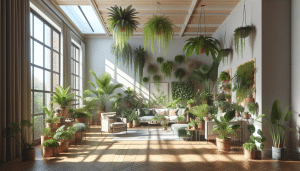
Light plays a crucial role in indoor plant health. Smart LED grow lights can be programmed to mimic natural sunlight cycles, ensuring consistent photosynthesis, even during dark winter months. Personalized lighting schedules—controlled via smartphone or voice assistants—can be fine-tuned for each crop type. This advancement makes successful indoor gardening possible even in less sunny homes. Air-purifying plants like spider plants and peace lilies not only thrive in these conditions, they also improve indoor air quality, creating a dual benefit for residents.
Many people are surprised at how technology can bridge the gap between nature and convenience inside the home. For example, sensor-based notifications can alert users when indoor plants need nutrients or pruning. Some systems track growth progress, suggesting when to harvest or re-seed. The result? An easy, low-stress introduction to gardening that fosters wellbeing and a love for green living. As knowledge around these innovations grows, more people are bringing the benefits of nature into their home, one leafy sprout at a time. (Source: https://www.gardeners.com/how-to/gardening-under-lights/5152.html)
Eco-Friendly and Sustainable Practices at Home
One of the most appealing aspects of smart home gardening is its alignment with eco-conscious lifestyles. Energy-efficient tools, organic fertilizers, and composting systems are core elements. For small-space gardeners or families, vermicomposting—using worms to break down food scraps—creates a nutrient-rich soil amendment with little odor or mess. Connected composters can track temperature and progress, making the process almost effortless while reducing household waste sent to landfill.
Beyond composting, rainwater harvesting systems further support sustainability. Rain barrels fitted with smart monitors can be programmed to water gardens only when needed, reducing water bills and the environmental impact of municipal water use. Many homeowners also integrate solar panels to power garden lights or device charging, enhancing the energy efficiency of backyard ecosystems. Combining these methods not only grows healthier gardens, but also helps homes become more self-sufficient and resilient in the face of environmental change.
Sharing resources and knowledge can amplify the benefits of sustainable gardening. Community initiatives might include tool libraries, group composting, or seed exchanges. Online platforms and gardening societies provide inspiration and troubleshooting tips, expanding access to sustainable gardening techniques. These practices demonstrate how home gardening can move beyond personal enjoyment to create a broader positive impact on neighborhoods and the planet. (Source: https://www.nrcs.usda.gov/resources/education-and-teaching-materials/backyard-conservation)
Navigating Costs and Getting Started With Smart Gardening
Smart home gardening can suit almost any budget. Starter kits for automatic watering or simple sensors are affordable for most households, while modular expandable systems cater to those wanting to scale up gradually. Many local garden centers offer classes and demonstrations, and community garden groups can be a valuable resource for hands-on learning. Open-source platforms and a growing library of how-to guides further democratize access.
Understanding the price structure of home gardening technology is key. Some systems offer lifetime updates with a one-time purchase, while others may require subscriptions for data analytics or smartphone integration. By comparing options and reading reviews, homeowners can find solutions tailored to unique needs, with transparency about costs and ongoing support. Many organizations, such as Master Gardeners and Cooperative Extension Services, provide unbiased information on the latest tech innovations, ensuring that consumers can make informed choices.
The transition into smart gardening doesn’t need to be overwhelming. Beginning with a single automated sensor or a compact grow kit, anyone can explore the world of home gardening at their own pace. Over time, as confidence grows, so does the potential for more elaborate setups—and greater harvests. The journey is rewarding, both for the abundance it brings and the mindful, sustainable habits it encourages. (Source: https://extension.psu.edu/gardening-101)
References
1. U.S. Environmental Protection Agency. (n.d.). WaterSense: Products. Retrieved from https://www.epa.gov/watersense
2. American Community Gardening Association. (n.d.). Starting a Community Garden. Retrieved from https://communitygarden.org/resources/starting-a-garden/
3. Gardener’s Supply Company. (n.d.). Gardening Under Lights. Retrieved from https://www.gardeners.com/how-to/gardening-under-lights/5152.html
4. USDA Natural Resources Conservation Service. (n.d.). Backyard Conservation Activities. Retrieved from https://www.nrcs.usda.gov/resources/education-and-teaching-materials/backyard-conservation
5. PennState Extension. (n.d.). Gardening 101: How to Plant, Grow, and Harvest the Basics. Retrieved from https://extension.psu.edu/gardening-101
6. University of California Agriculture and Natural Resources. (n.d.). Water-Wise Gardening. Retrieved from https://ccuh.ucdavis.edu/water-wise-gardening

 You and Real-Time News Alerts: Staying Ahead Online