Interior Design Ideas That Improve Productivity
Thaddeus Crowley September 22, 2025
A thoughtfully designed interior can significantly influence focus, efficiency, and overall productivity. Interior design ideas that improve productivity combine aesthetics with functionality to create spaces conducive to concentration and performance. Whether in a home office or corporate setting, design elements like lighting, organization, and color schemes play a crucial role in enhancing mental clarity and workflow.
This article explores practical design strategies to optimize spaces for higher productivity and well-being.
1. Optimize Workspace Layout
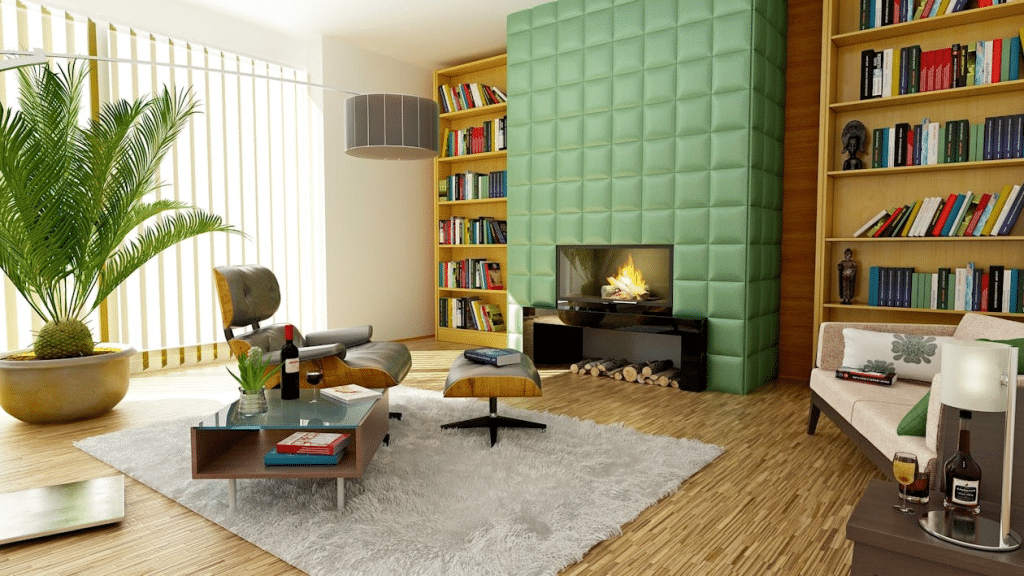
A well-planned layout reduces distractions and enhances efficiency.
- Use the “work triangle” concept to position frequently used items within easy reach.
- Separate work zones and relaxation areas to maintain focus.
- Incorporate dedicated storage and shelving to minimize clutter and streamline movement.
According to Journal of Environmental Psychology (2022), an organized workspace layout improves task performance and reduces cognitive fatigue.
2. Incorporate Natural Light
Natural lighting boosts mood, energy, and cognitive function.
- Position desks near windows to maximize daylight exposure.
- Use light-diffusing curtains to reduce glare while maintaining brightness.
- Combine natural light with adjustable task lighting to reduce eye strain.
Research from Harvard Health Publishing (2023) indicates that exposure to natural light improves focus, alertness, and overall productivity.
3. Use Color Strategically
Colors influence mood and cognitive performance.
- Incorporate blue or green tones for calm and focus.
- Use yellow or orange accents to stimulate creativity and energy.
- Avoid overly dark or overly bright colors that may cause fatigue or distraction.
Psychology Today (2022) reports that strategic use of color in interior design enhances concentration, creativity, and motivation.
4. Ergonomic Furniture and Equipment
Comfortable and supportive furniture prevents fatigue and improves efficiency.
- Invest in adjustable chairs and desks to support proper posture.
- Ensure monitor height and keyboard placement reduce strain.
- Use footrests, ergonomic accessories, and supportive seating to maintain comfort.
According to Occupational Health & Safety (2023), ergonomic setups increase focus, reduce musculoskeletal issues, and enhance productivity.
5. Minimize Clutter and Improve Organization
Cluttered spaces distract and reduce efficiency.
- Implement storage solutions like filing cabinets, drawers, and shelving units.
- Use labeling systems and organizers to keep items accessible.
- Keep surfaces clean and free of unnecessary objects to maintain mental clarity.
The Container Store (2022) highlights that organized spaces enhance workflow, reduce stress, and improve overall task performance.
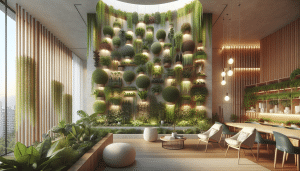
6. Integrate Biophilic Design Elements
Nature-inspired design enhances well-being and productivity.
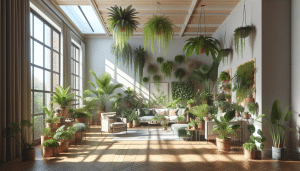
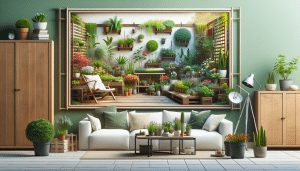
- Include indoor plants to improve air quality and provide a calming effect.
- Use natural materials like wood, stone, or bamboo in furniture and décor.
- Incorporate views of greenery or nature-inspired artwork for visual relaxation.
Research from Frontiers in Psychology (2023) demonstrates that biophilic design reduces stress and increases cognitive function in workspaces.
7. Manage Acoustics
Sound management reduces distractions and enhances focus.
- Use sound-absorbing panels or rugs to minimize echo and noise.
- Incorporate white noise machines or soft background music for concentration.
- Design private areas or partitions to limit auditory interruptions.
Journal of Environmental Psychology (2022) found that managing sound in work environments improves concentration, task completion, and overall productivity.
Conclusion
Interior design ideas that improve productivity combine optimized layouts, natural lighting, strategic color use, ergonomic furniture, organization, biophilic elements, and sound management. Thoughtfully designed spaces reduce stress, enhance focus, and support mental clarity, ultimately improving performance in both home and office settings.
Implementing these strategies allows individuals and teams to work more efficiently, maintain energy, and achieve greater productivity in their daily tasks.
References
Journal of Environmental Psychology (2022). Workspace Design and Cognitive Performance. Available at: https://www.journals.elsevier.com/journal-of-environmental-psychology
Harvard Health Publishing (2023). The Impact of Natural Light on Health and Productivity. Available at: https://www.health.harvard.edu
Psychology Today (2022). Color and Cognitive Performance in Workspaces. Available at: https://www.psychologytoday.com
Occupational Health & Safety (2023). Ergonomics for Improved Workplace Productivity. Available at: https://www.ohsonline.com

 Fitness Challenges That Are Engaging and Fun