How Home Organization Boosts Productivity
Thaddeus Crowley September 19, 2025
A well-organized home is more than just a clean space; it plays a significant role in boosting productivity. How home organization boosts productivity lies in its ability to minimize distractions, streamline tasks, and create an environment conducive to focus and efficiency. Whether you’re working from home or managing daily household tasks, a tidy and organized home fosters a sense of control and clarity.
This article explores the connection between home organization and productivity, offering practical tips for enhancing both.
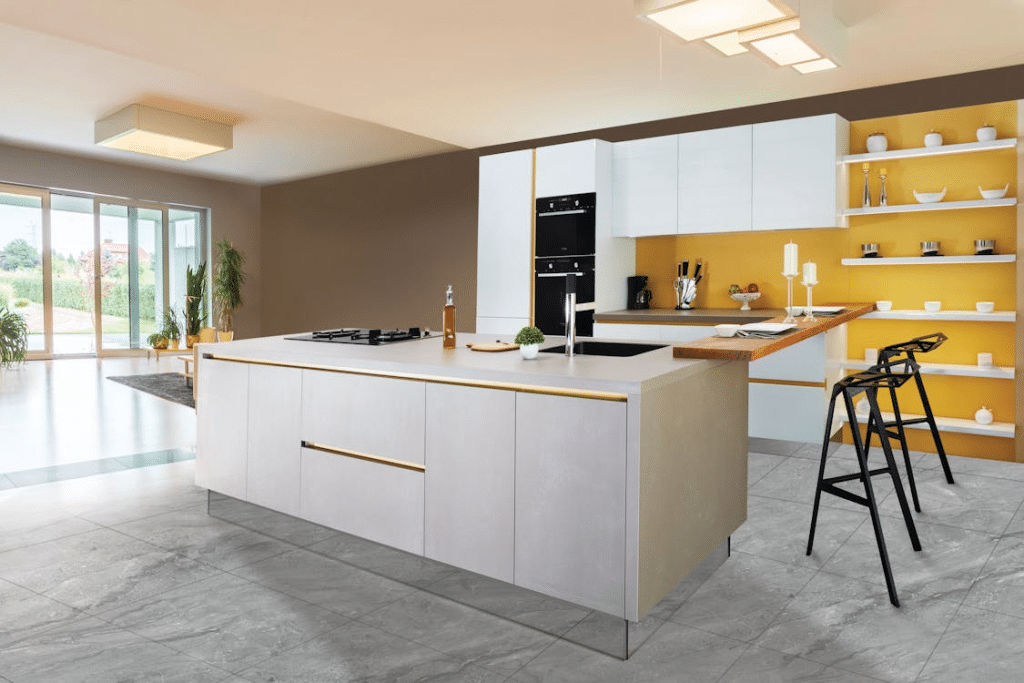
1. Reduces Clutter and Increases Focus
Clutter is often a significant distraction that hinders productivity.
- Organize workspaces, living areas, and storage to create a clean, calm environment.
- Implement storage solutions such as shelves, bins, and filing systems to keep clutter at bay.
- Create designated spaces for everyday items to prevent misplacement and wasted time.
According to Psychology Today (2023), a clutter-free home reduces stress and improves concentration, allowing individuals to focus more effectively on tasks.
2. Streamlines Time Management
An organized home allows for better time allocation and task management.
- Daily routines are more efficient when everything has its place and is easily accessible.
- Set up morning and evening checklists for a smooth start and finish to the day.
- Use time-blocking techniques to designate specific periods for household chores, work, and leisure.
Research from Harvard Business Review (2022) shows that time management improves significantly when spaces are organized, resulting in less time spent searching for items and more time dedicated to important tasks.
3. Enhances Mental Clarity and Well-Being
A clean and organized environment can positively affect mental health and well-being.
- An organized home promotes calmness and mental clarity, reducing feelings of overwhelm.
- Create spaces for relaxation and mindfulness practices, such as a quiet reading nook or meditation corner.
- Designate work and leisure areas to help separate work-life balance and prevent burnout.
According to Frontiers in Psychology (2023), a tidy space leads to improved mental well-being, allowing individuals to manage stress and focus on their goals.
4. Increases Efficiency and Productivity in Workspaces
For those working from home, a dedicated workspace is crucial for productivity.
- Set up an ergonomic, organized desk area with essential tools and minimal distractions.
- Use filing systems to keep documents organized and digital tools to manage online tasks.
- Keep electronics and office supplies within reach but neatly stored when not in use.
A 2022 study in Journal of Occupational Health Psychology found that a well-organized home office boosts productivity by increasing focus, reducing stress, and improving work quality.
5. Encourages Better Meal Planning and Preparation
An organized kitchen and dining area lead to better meal planning, saving time and energy.
- Organize pantries, fridges, and kitchen tools for easy access to ingredients and cooking equipment.
- Use weekly meal planning and grocery lists to streamline grocery shopping and cooking.
- Designate prep stations to avoid clutter while cooking, making meal preparation quicker and more efficient.
According to Good Housekeeping (2023), kitchen organization significantly improves meal planning and preparation, saving time and reducing decision fatigue.
6. Enhances Work-Life Balance
When home organization is maintained, there’s more time for relaxation and personal activities.
- Set boundaries between work and personal life by maintaining distinct spaces for each.
- Declutter common areas to create relaxing spaces that invite rest and social interaction.
- Implement time management tools to balance work, home chores, and leisure time effectively.
Journal of Environmental Psychology (2022) highlights that a well-organized home contributes to a better work-life balance, which ultimately leads to improved productivity and personal well-being.
7. Improves Decision-Making and Goal Achievement
Organizing your home encourages better decision-making by reducing mental load and increasing clarity.
- Set clear goals for different areas of your home, such as decluttering, meal planning, and budgeting.
- Create checklists and visual trackers to monitor progress and stay motivated.
- Use digital tools like apps or calendars to keep track of personal goals and deadlines.
Research from Journal of Applied Psychology (2023) shows that organizing tasks and environments reduces cognitive overload, helping individuals make better decisions and stay on track with their goals.
Conclusion
How home organization boosts productivity is a combination of reducing clutter, managing time, enhancing mental clarity, and creating efficient spaces. By incorporating organizational practices into daily life—whether at work or home—you can foster a sense of control, improve focus, and ultimately achieve higher levels of productivity.
An organized home isn’t just aesthetically pleasing; it’s a strategic way to increase efficiency, reduce stress, and create a healthier, more productive environment.
References
Psychology Today (2023). The Impact of Clutter on Productivity and Focus. Available at: https://www.psychologytoday.com
Harvard Business Review (2022). Time Management and the Power of Organization. Available at: https://hbr.org
Frontiers in Psychology (2023). Home Organization and Mental Well-Being. Available at: https://www.frontiersin.org
Journal of Occupational Health Psychology (2022). Organizing Home Office Space for Productivity. Available at: https://www.apa.org/pubs/journals/ocp

 Wellness Practices That Support Mental and Physical Health