Interior Organization Tips That Reduce Clutter
Thaddeus Crowley September 18, 2025
A cluttered home can lead to stress, reduced productivity, and a sense of chaos. Interior organization tips that reduce clutter focus on creating functional, efficient, and visually appealing spaces. By adopting strategic storage solutions, decluttering methods, and consistent routines, homeowners can transform their living areas into calm, organized environments.
This article explores practical approaches to minimize clutter while maximizing space and functionality in your home.
1. Declutter Regularly
The first step to a well-organized home is consistent decluttering.
- Sort items into keep, donate, and discard categories.
- Follow the “one in, one out” rule to prevent accumulation.
- Schedule regular decluttering sessions weekly or monthly.
According to the National Association of Professional Organizers (NAPO, 2023), regular decluttering improves mental clarity and reduces stress by creating more open and functional spaces.
2. Use Smart Storage Solutions
Maximizing storage helps keep belongings organized and easily accessible.
- Utilize multi-functional furniture, such as ottomans with storage or beds with drawers.
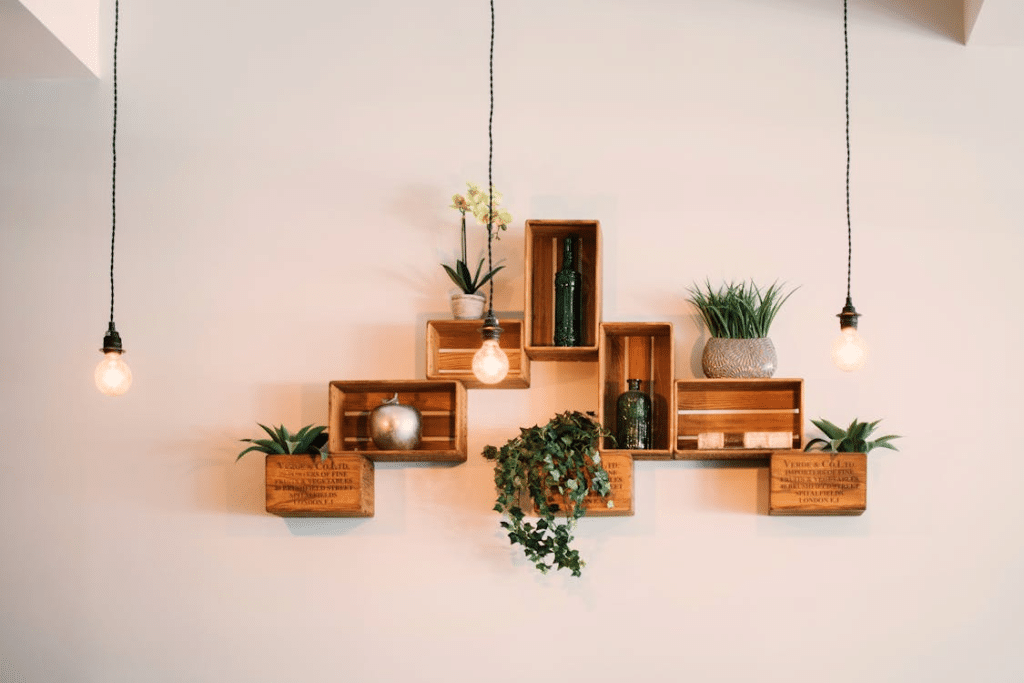
- Install shelves and cabinets to store items vertically and free floor space.
- Use clear bins and labeled containers for smaller items to maintain visibility and order.
A 2022 report by House Beautiful highlights that smart storage solutions can reduce visual clutter and enhance room functionality.
3. Create Designated Zones
Organizing spaces by function reduces clutter and improves usability.
- Assign specific areas for work, leisure, and storage.
- Keep frequently used items within easy reach and store less-used items elsewhere.
- Use room dividers or furniture placement to create functional zones in open-plan spaces.
The Journal of Environmental Psychology (2022) indicates that clearly defined zones in a home increase efficiency and reduce cognitive overload caused by clutter.
4. Embrace Minimalist Principles
Minimalism promotes simplicity and intentionality in home organization.
- Limit possessions to items that serve a purpose or bring joy.
- Choose simple, clean-lined furniture to reduce visual clutter.
- Avoid excessive decorations and focus on functional aesthetics.
According to Psychology Today (2023), minimalist living improves mental well-being by reducing stress associated with cluttered environments.
5. Implement Daily Organization Routines
Consistent routines prevent clutter from building up over time.
- Spend 10–15 minutes daily tidying up common areas.
- Put items back in designated places immediately after use.
- Encourage family participation to maintain organization collectively.
NAPO (2023) emphasizes that daily organization routines help maintain a clutter-free environment and reduce the need for extensive cleaning sessions.
6. Optimize Closet and Wardrobe Space
Clothing and accessories are common sources of clutter.
- Use vertical organizers, hooks, and dividers to maximize closet space.
- Donate or discard unused or outdated clothing regularly.
- Rotate seasonal items to reduce overcrowding and simplify access.
A 2022 study by Good Housekeeping found that optimized closet organization reduces stress and increases daily efficiency when dressing.
7. Use Decorative and Functional Accessories
Items that combine storage with decor enhance both aesthetics and organization.
- Use baskets, trays, and decorative boxes for small items.
- Incorporate wall-mounted racks and hooks to free floor space.
- Choose visually cohesive containers to maintain style while organizing.
According to Architectural Digest (2023), functional decor allows homeowners to maintain a clutter-free look without sacrificing style.
8. Digitize Paper and Media
Paper documents, books, and media often contribute to clutter.
- Scan important documents and store them digitally.
- Use cloud storage for photos, files, and media content.
- Reduce physical bookshelves by donating or using e-books where possible.
A 2022 report by The Container Store highlights that digitizing paper and media significantly reduces clutter and simplifies home organization.
Conclusion
Interior organization tips that reduce clutter involve strategic decluttering, smart storage solutions, functional zoning, minimalism, and consistent routines. By implementing these strategies, homeowners can create organized, calm, and efficient living spaces that improve productivity, comfort, and overall well-being.
Maintaining a clutter-free environment not only enhances the aesthetics of a home but also supports mental clarity and a balanced lifestyle.
References
National Association of Professional Organizers (NAPO, 2023). Home Organization Strategies. Available at: https://www.napo.net
House Beautiful (2022). Smart Storage Solutions for Modern Homes. Available at: https://www.housebeautiful.com
Journal of Environmental Psychology (2022). Home Zoning and Cognitive Efficiency. Available at: https://www.journals.elsevier.com
Psychology Today (2023). Minimalism and Mental Well-Being. Available at: https://www.psychologytoday.com

 Fitness Challenges That Are Fun for Everyone