Small Space Gardening Ideas You Haven’t Tried
Thaddeus Crowley November 10, 2025
Looking to turn a balcony, patio, or tiny backyard into a thriving green space? This guide shares actionable ideas and techniques to help you maximize home gardening results, even with the most limited outdoor real estate. From vertical solutions to container strategies, you’ll discover methods that add color, flavor, and life to your everyday environment.
Clever Ways to Maximize Small Gardening Spaces
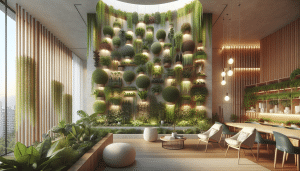
It’s no surprise that more people are looking for small space gardening ideas as urban living becomes the norm. Whether you have a narrow balcony or a compact patio, creative techniques allow anyone to grow vibrant plants in tight spaces. One of the simplest ways is to explore vertical gardening. By using trellises, wall planters, or even recycled pallets, you can turn bland vertical surfaces into lush displays of herbs, flowers, or vegetables (Source: https://www.bhg.com/gardening/plans/vertical-gardens). Not only does this approach free up ground space, but it also creates visual interest at eye level, making a small area feel abundant.
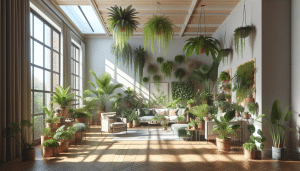
Though limited square footage might seem challenging at first, container gardening unlocks countless opportunities. Nearly any vessel—think buckets, old boots, wooden boxes, or large ceramic planters—can become a home for greenery. For those new to this method, starting with fast-growing lettuce, basil, or mint offers quick satisfaction and minimal risk. Unique container layouts, such as tiered shelves or hanging baskets, can double the available planting area without encroaching on precious floor space. This flexibility is ideal for apartment dwellers and renters who want movable setups with minimal commitment (Source: https://extension.umn.edu/how/container-gardening).
Space-saving gardening doesn’t mean compromising on productivity or beauty. Mixing edibles and ornamentals in decorative arrangements brings the best of both worlds to a porch or stoop. Tomatoes can thrive alongside petunias or nasturtiums, adding color and function. Meanwhile, succulents are an excellent solution for sunny ledges, needing little water and rarely outgrowing their pots. When choosing plants, look for varieties labeled as ‘compact’ or ‘patio’ for guaranteed small-space compatibility. These options ensure even the tiniest outdoor zone can host a thriving garden with ease and minimal fuss.
Vertical Gardening Techniques for Every Home
Vertical gardening is a rising trend that transforms underused walls and fences into productive green spaces. This method uses upward growth to efficiently utilize square footage, making it perfect for urban homes and apartments. Wall-mounted planters, pocket gardens, and modular stacking pots allow gardeners to customize their layouts, arranging both edible and ornamental plants in appealing designs. Some systems are designed for direct wall attachment, while others feature freestanding frames that move with ease. A wide selection can be found at home and garden centers, or even built at home with simple tools and repurposed materials (Source: https://www.gardeners.com/how-to/vertical-gardening/8013.html).
Hydroponic towers are another example of modern vertical gardening innovations. These structures allow for soil-free growing, letting plants thrive in nutrient-rich water. Because each tier receives adequate light and airflow, problems with overcrowding and disease are minimized. Herbs, lettuces, and strawberries grow exceptionally well in vertical hydroponic setups. Not only do these gardens use water more efficiently, but they also save time during harvest and maintenance thanks to their organized structure. Compact hydroponic systems fit on balconies or patios and are particularly popular among tech-savvy gardeners.
For those seeking a more decorative approach, growing vines up trellises or obelisks is both practical and stylish. Morning glories, peas, pole beans, and clematis all benefit from climbing frameworks. These upright gardens don’t just enhance privacy; they also provide natural shade for seating areas or delicate understory plants. With the right combination of materials and plant species, vertical gardening methods can transform any small exterior into a lush oasis teeming with life.
Choosing the Right Plants for Limited Areas
Space constraints require smart plant selection. Compact plants, dwarf fruit trees, and bush-type vegetables are engineered to perform exceptionally well in confined quarters. Options like ‘patio’ tomatoes, miniature corn, and windowbox strawberries have been cultivated for minimal sprawl, delivering robust harvests in tight containers. Flowers such as pansies, violas, and marigolds provide extended blooms, making them go-to favorites for balconies or small courtyards. Consider growth habits and anticipated size, always checking the mature dimensions to prevent future crowding or shading issues (Source: https://extension.psu.edu/small-space-gardening).
Edibles aren’t the only suitable candidates for small gardens. Succulents, ornamental grasses, and evergreen shrubs lend structure and year-round interest. These selections handle irregular watering and tough microclimates. With the right potting mix, drainage, and care, even novice gardeners can keep container plants thriving for months on end. When building mixed arrangements, look for plants that share similar water and sunlight requirements to simplify maintenance routines. The result? Attractive, low-stress growing setups that can weather changes in light, temperature, or the gardener’s schedule.
Native plants deserve consideration for any home gardening scheme, especially in smaller urban environments. They generally require less maintenance and naturally attract local pollinators like bees and butterflies. Many nurseries now offer compact cultivars of native species—and these plants are often more resistant to both pests and weather extremes. Investing in diverse, well-suited plants ensures steady color and texture in even the most compact spaces, supporting vibrant ecological connections with minimal intervention.
Soil, Watering, and Sunlight Tips for Urban Gardens
Gardening in containers and small areas means extra attention to soil quality and drainage. Lightweight potting mixes, designed to hold moisture while shedding excess water, are recommended for container setups. Adding compost or slow-release organic fertilizer ensures robust growth, even in limited volumes of soil. Regularly check that containers have sufficient drainage holes to avoid root rot, a common issue in tightly packed gardening schemes (Source: https://horticulture.umn.edu/sites/horticulture.umn.edu/files/container_gardening.pdf).
Consistent watering is key. Small containers can dry out quickly, especially during hot weather. Self-watering pots, drip irrigation, or even simple mulching techniques help reduce how frequently you’ll need to water. Choosing drought-resistant plants or grouping varieties with the same water needs together makes overall watering routines smoother, ensuring nothing gets overlooked. Be mindful, however, of overwatering; a damp, shaded spot may require far less moisture than a planter in direct sun.
Sunlight access plays a pivotal role in any successful small space garden. Track how light moves across your space throughout the day. South- or west-facing spots offer the brightest conditions, suitable for sun-loving vegetables and blooms. Shadier corners, on the other hand, are ideal for salad greens, ferns, or hostas. Flexible designs can even use rolling carts or lightweight planters to ‘chase the sun,’ letting you adjust plant placement with the seasons for bigger harvests and longer blooming periods.
Year-Round Small Garden Planning and Maintenance
Proper planning keeps a small garden productive and beautiful—no matter the season. Early spring and late summer plantings can extend the growing window, while frost-hardy or winter-flowering plants bridge the off-season gap. Keeping a simple calendar for sowing, feeding, and pruning tasks helps gardeners keep pace with their garden’s changing needs. For perennials, annual root refreshes or gentle division rejuvenate plants and encourage vigorous bloom and fruit set.
Small-space gardens often benefit from integrated pest management strategies. Regular inspection for pests or disease ensures early intervention, preventing minor issues from becoming major outbreaks. Natural controls, like encouraging ladybugs or using neem oil, are safer for both plants and humans. In densely planted spaces, pruning for airflow and removing debris are crucial in maintaining healthy plants and minimizing fungal growth (Source: https://ipm.ucanr.edu/PMG/PESTNOTES/pn74127.html).
Don’t forget the fun side of tiny garden maintenance: creative refreshes, like rotating container arrangements or switching out seasonal accents, keep things interesting for both the gardener and visitors. These regular updates also provide an opportunity to reassess what’s thriving and what could use a change, ensuring lasting enjoyment and continual improvement. Small gardening truly is a process of exploration; the best results often come from mixing, matching, and experimenting over time.
Accessorizing and Enhancing Your Outdoor Room
Thoughtful additions can make small spaces more functional and visually inviting. Accessories like fairy lights, solar lanterns, or weather-resistant rugs turn a modest corner into a cozy outdoor retreat. Colorful planters or decorative stakes add personality and interest, complementing the greenery. Folding furniture, stools, or benches create flexible seating without cluttering the space, making it easier to adapt the area for relaxation or entertaining.
Wildlife-friendly elements further enhance the natural atmosphere. Bird feeders, pollinator hotels, or small water features invite beneficial creatures into the tiny garden. Not only do these additions support local ecosystems, but they also foster a deeper connection to nature. With the right balance of accessories, a once-empty balcony or stoop can become a lively extension of the home, supporting wellness and joy.
Added features like screening with bamboo rolls or living walls create a sense of privacy without sacrificing light or airflow. These options break up open sightlines, making even exposed locations feel intimate and secluded. With just a few strategic choices, any small outdoor area can not only look great, but function beautifully as a personal haven in the heart of the city.
References
1. Better Homes & Gardens. (n.d.). 12 Vertical Garden Ideas. Retrieved from https://www.bhg.com/gardening/plans/vertical-gardens
2. University of Minnesota Extension. (n.d.). Container gardening. Retrieved from https://extension.umn.edu/how/container-gardening
3. Gardener’s Supply Company. (n.d.). Vertical Gardening: Grow More in Less Space. Retrieved from https://www.gardeners.com/how-to/vertical-gardening/8013.html
4. Penn State Extension. (n.d.). Small-Space Gardening. Retrieved from https://extension.psu.edu/small-space-gardening
5. University of California Agriculture and Natural Resources. (n.d.). Pest Notes: Integrated Pest Management for Home Gardeners and Landscape Professionals. Retrieved from https://ipm.ucanr.edu/PMG/PESTNOTES/pn74127.html
6. University of Minnesota Horticulture. (n.d.). Container Gardening: A Complete Guide. Retrieved from https://horticulture.umn.edu/sites/horticulture.umn.edu/files/container_gardening.pdf

 Why Artificial Intelligence Might Change Everything