Can You Grow Your Own Food Indoors Successfully
Thaddeus Crowley October 30, 2025
Explore how anyone can start growing fresh food indoors with simple methods and practical tips. This guide covers container gardening, hydroponics, lighting, plant selection, and troubleshooting common issues so you can enjoy a steady supply of greens and vegetables all year round, right at home.
Understanding Indoor Food Gardening Potential
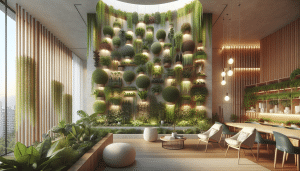
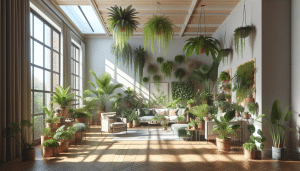
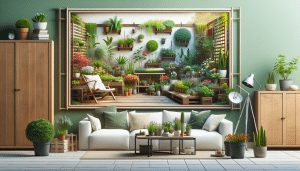
Indoor gardening unlocks possibilities for those with limited outdoor space or unpredictable weather. Whether it’s an apartment setting or a home without a backyard, anyone can harness the benefits of growing their own food inside. The beauty of indoor gardening lies in its versatility—windowsills, shelves, and even vertical gardens can support robust herb, salad green, or even small vegetable crops, improving food accessibility and freshness.
Using containers or hydroponic systems, indoor gardening puts control over nutrition and pesticide usage into your hands. It can spark curiosity, offer learning experiences for families, and provide an ongoing sense of accomplishment. The accessibility of this form of gardening means it’s inclusive for beginners and experienced green thumbs alike, opening doors to creative solutions for healthy eating year-round.
Growing food indoors also provides opportunities for consistent harvests. Unlike outdoor gardens, indoor plants are protected from seasonal changes, harsh weather, and persistent pests. With the right setup, harvests can be planned around your household’s needs. Imagine picking fresh basil or lettuce in the middle of winter or snipping cilantro directly into dinner from a kitchen container. That kind of freshness increases both nutritional value and satisfaction at the table.
For those new to the process, resources such as local extension offices and gardening centers are valuable for advice on soil, light, and care techniques. Innovations in LED grow lights and compact hydroponic kits have also made it easier for beginners to succeed.
Indoor food gardening isn’t limited by climate or experience. It offers an avenue for healthier living, educational growth, and environmental sustainability. By reducing reliance on store-bought produce, indoor gardeners reduce packaging waste and transportation emissions. Interest in urban homesteading and sustainable living is rising, making now a prime moment to experiment with food production indoors. Explore accessible plant varieties, container ideas, and watering systems that fit different lifestyles. Every home, no matter how small, can find a place for a productive leafy corner.
Choosing the Right Edible Plants to Grow Indoors
Success in indoor gardening begins with choosing crops that thrive in contained spaces and lower light. Leafy greens like spinach, lettuce, chard, and kale are particularly well-suited. Fresh herbs including basil, cilantro, mint, and parsley grow rapidly on sunny windowsills or under grow lights, rewarding gardeners with repeated harvests.
Some root vegetables, such as radishes and green onions, adapt surprisingly well to containers. For adventurous growers, dwarf tomato or pepper varieties bred specifically for compactness can produce abundant crops if their needs are met. Plants with faster growth cycles and shallow roots are best situated for consistent indoor harvesting.
Understanding each plant’s needs—regarding light, soil, humidity, and temperature—ensures success. Lettuce and most herbs require only moderate sunlight and will even tolerate partial shade, but peppers or tomatoes demand several hours of strong, direct light per day. Experimenting with microgreens, which mature quickly, is an excellent option for those seeking a rapid, low-commitment harvest. Microgreens can be grown densely in trays and harvested in as little as two weeks, making them ideal for small kitchens.
Seed catalogs and garden centers offer a growing selection of seeds and starter plants labeled for indoor growth, many featuring compact forms or increased disease resistance. Look for recommended indoor varieties to increase your chances of thriving plants. By starting with low-maintenance choices and gradually expanding to more demanding crops, gardeners build confidence and skills in their indoor green spaces. Research and support from online gardening communities can help you troubleshoot plant selection questions along the way.
Essential Tools and Setups for Indoor Gardens
The foundation of a thriving indoor garden lies in proper equipment. Containers should have drainage holes to prevent waterlogging and root rot. Trays beneath containers catch excess water, protecting windowsills and counters. For soil-based gardens, a high-quality potting mix designed for container plants ensures appropriate drainage and aeration, reducing common problems like fungus or compacted roots.
Grow lights are a game-changer for spaces without sufficient natural light. LED grow lights offer energy efficiency and customizable light spectra to maximize photosynthesis and plant growth. Timers automate the light schedule so plants receive consistent day-and-night cycles. Simple upgrades like reflective surfaces behind plants can also boost available light and prevent leggy, weak growth.
Hydroponic systems—ranging from countertop units to DIY buckets—provide soil-free alternatives for those interested in soilless growing. These methods use water mixed with precise nutrient solutions, eliminating guesswork around fertilization. While hydroponic setups may require an initial investment, they often produce faster, more reliable harvests with less pest pressure. Regular cleaning and monitoring nutrient levels help avoid algae buildup or nutritional imbalances in water-based systems.
Accessories such as spray bottles (for misting), moisture meters (to check soil hydration), and small fans (to promote airflow) contribute to a healthy environment. Organization is important; keep a dedicated watering can and trim plants with sanitized scissors to prevent disease spread. Labels help track sowing dates and plant varieties. By setting up these essential elements, new gardeners can maintain their crops efficiently and minimize common pitfalls in indoor gardening projects.
Lighting, Water, and Climate Control for Indoor Edibles
Understanding the role of light is vital when growing food indoors. Most edible plants prefer bright, indirect sunlight. South-facing windows provide strong light, but even then, hours of sunshine may not suffice for fruiting crops. Supplementing natural light with full-spectrum grow lights ensures that tomatoes, peppers, and herbs receive the photons they need year-round. Adjustable fixtures allow flexibility and can help maintain growth during winter’s shorter days.
Watering must be frequent yet measured. Overwatering causes root rot, while under-watering leads to wilted, stunted plants. Use your finger or a moisture meter to gauge soil dampness and adjust schedules accordingly. Consistent watering in small amounts mimics natural rain and humidity cycles, steadily supporting plant health.
Humidity and temperature play subtle yet crucial roles. Most edible plants flourish in temperatures around 65–75°F (18–24°C) and in moderate humidity. Dry air causes leaf tips to brown, especially in heated winter homes. Consider grouping plants together to form a humidity pocket or placing trays of water near heat sources. Portable humidifiers add moisture if necessary. Likewise, adequate air circulation from a small fan prevents diseases like powdery mildew, especially in tightly spaced growing areas.
Monitoring microclimates helps indoor gardeners make small adjustments for optimal growth. Recording daily temperature highs and lows, checking soil moisture, and experimenting with light duration accounts for variations in plant species and room environment. Slight tweaks—raising a pot closer to a window, or pulling it back from chilly glass in winter—can transform a plant’s vigor. For soil or hydroponics alike, gentle consistency is often more important than exact precision.
Troubleshooting Common Indoor Gardening Challenges
Every grower, beginner or seasoned, faces setbacks. Wilting, yellowing leaves or stagnant growth can result from overwatering, improper lighting, or crowded roots. Trap fungus gnats and other common pests with sticky cards and boost airflow to deter mold. Learning to observe plants and diagnose issues is a core skill for all gardeners.
If plants show nutrient deficiencies—such as yellowing between leaf veins or stunted roots—supplement with an all-purpose, water-soluble fertilizer. Hydroponic growers should check nutrient solution balances and pH, adjusting as needed to restore vitality. Rotate containers and prune as crops mature for consistent airflow and even sunlight exposure across every leaf surface.
Mistakes are opportunities for learning. Documenting which crops thrive or fail in your unique space helps refine your approach over time. Growing food indoors sometimes means trial and error. Maybe cilantro bolts (goes to seed) under strong lights, or tomato plants outgrow their pots faster than expected. By experimenting and adapting, indoor gardeners gain experience and develop green-thumbed intuition.
Join indoor gardening communities online and read reliable resources for troubleshooting and inspiration. Troubleshooting becomes second nature after a few cycles. Celebrate each harvest—no matter how small. With time, your green space will become an oasis of healthy edibles, tailored specifically to your home and lifestyle. Remain patient and persistent; every successful harvest brings more confidence.
Benefits Beyond the Plate: Wellbeing, Learning, and Sustainability
Indoor gardening promotes more than fresh ingredients. Caring for living things connects people to nature even in urban spaces. Studies show that tending plants can lower stress and improve mood—especially valuable in fast-paced lives or during long winters indoors.
Children in particular benefit from witnessing the growing process, gaining insight into where food comes from. Gardening stimulates curiosity around biology, nutrition, and environmental science. Harvesting a handful of greens or herbs is rewarding for all ages, fostering a sense of accomplishment and appreciation for healthy eating habits.
From a sustainability perspective, indoor food gardening offers environmental perks. By cultivating a portion of your own produce, you reduce packaging waste, food miles, and reliance on external supply chains. Some households arrange indoor gardens with upcycled containers, reducing their environmental footprint while creatively enhancing their space. Excess plant clippings can supplement home composting, further closing the sustainability loop.
Small-scale indoor gardening can influence broader lifestyle changes, too. Success may inspire experiments with composting, water conservation, or family cooking projects that highlight homegrown ingredients. By sharing extra harvests with neighbors or friends, the benefits multiply, fostering community and shared learning. No matter the outcome, a home filled with edible greenery is a symbol of perseverance, curiosity, and positive change.
References
1. National Gardening Association. (n.d.). Edible Indoor Gardening. Retrieved from https://garden.org/learn/articles/view/4870/
2. University of Minnesota Extension. (n.d.). Growing indoor plants with success. Retrieved from https://extension.umn.edu/houseplants/growing-indoor-plants-success
3. Missouri Botanical Garden. (n.d.). Indoor Food Gardening Guide. Retrieved from https://www.missouribotanicalgarden.org/gardens-gardening/your-garden/help-for-the-home-gardener/advice-tips-resources/gardening-by-topic/vegetables/indoor-vegetable-garden.aspx
4. Cornell University. (n.d.). Growing Houseplants Indoors. Retrieved from https://gardening.cornell.edu/homegardening/sceneae13.html
5. Royal Horticultural Society. (n.d.). Guide to Growing Edible Plants Indoors. Retrieved from https://www.rhs.org.uk/food-garden/grow-food-indoors
6. University of Illinois Extension. (n.d.). Indoor Herb Gardening. Retrieved from https://extension.illinois.edu/herbs/indoor-herb-gardening

 Unlocking Your Potential with Digital Entrepreneurship