You Can Refresh Your Space With Indoor Plants
Thaddeus Crowley October 16, 2025
Discover how introducing indoor plants can transform any living area into a healthier, more vibrant environment. This guide uncovers the benefits, care tips, and creative ideas for houseplants, helping every reader explore natural ways to refresh and personalize their home.
The Life-Changing Impact of Indoor Plants
People are often amazed by the difference a touch of greenery can make inside the home. Indoor plants do more than add beauty; they actively improve air quality by filtering out common pollutants and elevating oxygen levels. Peace lilies, snake plants, and pothos are well-known for their effectiveness in this regard. The selection of the right varieties for your home can lead to cleaner air and a fresher atmosphere—benefits that extend to every room where a living plant is placed. https://www.epa.gov/indoor-air-quality-iaq/indoor-plants
Beyond air purification, the presence of houseplants also has profound psychological benefits. Numerous studies highlight how working, relaxing, or even just sitting near greenery can lower stress and anxiety. Plants often encourage a slower, more mindful pace, offering a sense of groundedness and comfort in bustling households. Adding a few pots of green—even small ones—on windowsills or desktops is known to boost mood and productivity.
Homes with indoor plants tend to feel more inviting because natural elements bring warmth and character into blank spaces. Many people value the opportunity to express their personality through their choice of foliage, arranging pots, or experimenting with plant stands. Whether it is the minimalist look of succulents or the lush jungle vibe of ferns and palms, indoor gardening offers endless possibilities to tailor a living space. https://www.ncbi.nlm.nih.gov/pmc/articles/PMC4419447/
Choosing The Right Houseplants for Any Space
Selecting the best indoor plants depends largely on available light, space, and lifestyle. Some varieties, such as pothos and philodendrons, are exceptionally forgiving—excellent for beginners or busy households. For those with minimal sunlight, options like sansevieria and ZZ plants thrive in low-light conditions. Conversely, sun-lovers like fiddle leaf figs or succulents require bright, direct light to flourish. Making a thoughtful choice ensures that each plant not only survives but also thrives, making plant care more rewarding and sustainable. https://extension.psu.edu/an-introduction-to-indoor-plants
Pet owners often worry about plant toxicity, since some species pose risk if chewed by dogs or cats. Fortunately, many pet-friendly options exist, including spider plants, parlor palms, and Boston ferns. These varieties can be safely grown in homes with animals, allowing everyone to enjoy the beauty of indoor gardening without concern. Planning for such details in advance avoids stressful situations and supports a healthier home environment for all inhabitants.
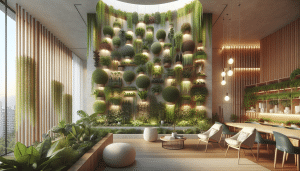
For smaller apartments or rooms with limited surfaces, vertical gardening or hanging planters can save space while delivering a lush effect. Innovative solutions—like wall-mounted pockets or tiered shelves—enable even the most compact spaces to benefit from greenery. Tall floor plants can anchor a corner, while tiny succulents add texture to shelves and desks. Experimenting with placement and pots can lead to surprisingly unique displays tailored to personal tastes.
Daily Care Tips to Keep Houseplants Thriving
Understanding the basics of plant care is essential for long-term success. The majority of indoor plants appreciate moderate, indirect sunlight and evenly moist soil—though each species has its quirks. Overwatering is one of the most common problems, often leading to root rot. Checking soil moisture with a finger before watering prevents this mistake. Seasonal adjustments also matter: many plants need less water and light during winter months. https://hgic.clemson.edu/factsheet/care-of-indoor-plants/
Humidity levels inside can affect plant health, especially for tropical species. Grouping plants together or using a humidifier can compensate for dry indoor air, particularly during colder seasons. Regularly wiping leaves free of dust supports better photosynthesis, leading to brighter, healthier foliage. Occasionally, rotating pots ensures even exposure to growing light, promoting symmetrical development in indoor gardens.
Pest control is another consideration for thriving houseplants. Common issues include spider mites, mealybugs, and scale insects. Preventative measures—such as inspecting new plants before introducing them and maintaining good airflow—can help reduce risk. Neem oil or gentle soap sprays are favored by many as natural interventions if problems arise. Consistently observing your indoor garden makes it easier to catch any issues early and address them before they spread.
Creative Ways to Display and Decorate with Plants
Displaying indoor plants creatively is one of the joys of home decorating. Materials like terracotta, ceramic, glass, and metal can be used to add a decorative dimension to basic pots. Arranging plants at different heights or clustering them in groups gives depth to any room. For those who love DIY, creating personalized planters from upcycled jars or baskets can offer a unique touch and become conversation starters for guests. https://gardeningsolutions.ifas.ufl.edu/care/design/indoor-plants.html
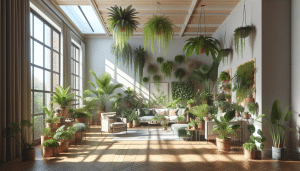
Hanging gardens are increasingly popular in small homes or apartments. Sturdy macrame plant hangers, wall hooks, and floating shelves make it simple to drape greenery in an eye-catching way. These setups take advantage of unused vertical space and introduce new focal points above eye level. Creating plant groupings with contrasting leaf colors and shapes brings energy to previously overlooked spaces, like hallways or bathrooms.
Plants can be featured seasonally by changing pots or adding decorative elements that reflect the time of year. Small touches, such as fairy lights, stones, or moss, elevate an ordinary arrangement. For larger rooms, dramatic floor plants can create a statement, drawing the eye and defining different zones. This approach makes the most of both greenery and decorative accessories while keeping care and maintenance manageable.
Health and Wellbeing Benefits of Green Spaces Indoors
Indoor plants are celebrated for their physical and psychological benefits. Several research sources indicate that regular interaction with houseplants may reduce blood pressure and improve overall wellbeing. Their role in improving humidity and air quality adds measurable value to daily living. Greenery also acts as a natural stress reliever, with many people citing improved moods and better relaxation simply by spending time near their plants. https://www.health.harvard.edu/blog/houseplants-help-sharpen-your-attention-2019071917590
Individuals recovering from illness or surgery have been shown to respond positively to green environments. Research highlights reduced recovery times and greater patient satisfaction when plants are present in hospital or care settings. This extends to home environments, where even minimal greenery can contribute to a greater sense of comfort, support, and positivity throughout challenging times.
Incorporating nature into daily routines encourages mindfulness and patience. Nurturing living things fosters a sense of accomplishment, purpose, and daily engagement, especially for those spending more time indoors. Children and seniors alike benefit from caring for plants, learning responsibility, and witnessing the wonders of natural growth, making indoor gardening a multi-generational experience worth sharing.
Getting Started and Overcoming Common Challenges
Many aspiring indoor gardeners feel overwhelmed at the outset, but starting small makes the process approachable. Beginning with a few hardy varieties reduces the likelihood of disappointment, while gaining hands-on experience. Connecting with local botanical gardens or community forums can offer valuable advice and troubleshooting tips. The learning curve is gentle—success grows with time and attention. https://www.rhs.org.uk/plants/popular/houseplants/how-to-grow-houseplants
Challenges such as drooping leaves, yellowing, or wilting usually point to problems with light, water, or soil. Tracking when you water and where plants are positioned in relation to sunlight can lead to quick solutions. Most problems are reversible with minor adjustments and a bit of patience, so giving up is rarely necessary. The reward of seeing new growth far outweighs occasional setbacks.
Finding joy in plants isn’t about striving for perfection. Even experienced plant enthusiasts encounter pests, failed cuttings, or unhappy specimens. Each attempt brings new knowledge about what works best for a unique home environment. Over time, these small experiments help create a personalized indoor garden that reflects the tastes and rhythms of everyone living there.
References
1. U.S. Environmental Protection Agency. (n.d.). Indoor air quality: Indoor plants. https://www.epa.gov/indoor-air-quality-iaq/indoor-plants
2. Penn State Extension. (n.d.). An introduction to indoor plants. https://extension.psu.edu/an-introduction-to-indoor-plants
3. Clemson Cooperative Extension. (n.d.). Care of indoor plants. https://hgic.clemson.edu/factsheet/care-of-indoor-plants/
4. University of Florida IFAS Extension. (n.d.). Designing with indoor plants. https://gardeningsolutions.ifas.ufl.edu/care/design/indoor-plants.html
5. Harvard Health Publishing. (2019). Houseplants help sharpen your attention. https://www.health.harvard.edu/blog/houseplants-help-sharpen-your-attention-2019071917590
6. Royal Horticultural Society. (n.d.). How to grow houseplants. https://www.rhs.org.uk/plants/popular/houseplants/how-to-grow-houseplants

 Why You See Bidding Wars on Homes Explained