Secrets of Indoor Plants for a Healthier Home
Thaddeus Crowley October 13, 2025
Unlock strategies for using indoor plants to improve home air quality, décor, and relaxation. This guide explores top choices, care techniques, and lesser-known benefits of adding greenery, making it easy to see how a few simple changes can transform the atmosphere and wellness of any living space.
Choosing Indoor Plants to Enhance Your Living Space
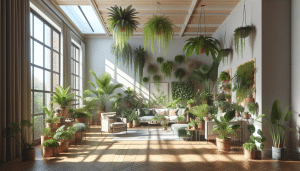
Indoor plants can dramatically change the ambiance of a home. From spider plants and snake plants to peace lilies, careful selection brings more than just vibrant color to rooms. Many plant species actively help remove toxins and boost household air quality, adding value to your home’s environment through both aesthetics and function. Low-light options like pothos or Chinese evergreen thrive even where sunlight is limited, making them popular choices for apartments or rooms with few windows. Exploring diverse foliage types and leaf patterns lets homeowners personalize their home’s greenery, creating a tranquil area unique to their taste and needs.
One essential step is matching plant needs with the space’s light and humidity conditions. Some varieties, like ferns, love increased moisture, fitting well in bathrooms or kitchens. Succulents, including aloe vera and jade plants, favor drier areas that mimic desert habitats. Arranging different plant heights and textures adds visual interest while creating a lush effect. These living accents can become conversation pieces or provide a subtle sense of calm, supporting relaxation and stress relief indoors. Integrating plant care into a weekly routine also invites mindfulness and connection with nature, even in busy urban homes.
For those just starting, it’s helpful to begin with easy-care varieties that tolerate occasional neglect. ZZ plants and philodendrons are known for their resilience and ability to flourish with minimal attention. As confidence grows, more exotic or demanding specimens can be added, gradually deepening a home gardener’s expertise. By choosing indoor plants suited to individual lifestyles, homeowners can enjoy healthier air, improved mood, and a stylish retreat from daily stresses without overwhelming maintenance demands.
Air Quality Benefits of Indoor Greenery
Plants do much more than decorate—they serve as living air filters. Extensive research, such as NASA’s famous Clean Air Study, found that many common houseplants absorb volatile organic compounds (VOCs) like benzene and formaldehyde from household products, furniture, and paints (https://www.nasa.gov/feature/nasa-researchers-explore-the-air-purifying-powers-of-houseplants). This natural air purification can ease breathing and reduce symptoms caused by indoor pollutants. Ferns, palms, and rubber plants are standout performers, silently working to make home environments safer and fresher.
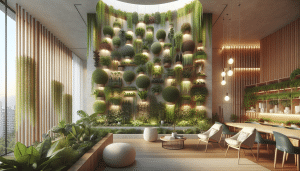
Incorporating several medium to large-sized plants throughout living and sleeping areas increases the air-purifying benefits. While one or two plants offer a decorative accent, creating a “green wall” or grouping pots multiplies their effect. Plants also raise humidity by releasing water vapor during photosynthesis, especially helpful in winter when indoor heating dries out air. Improved humidity supports skin health and may even lower the frequency of respiratory issues associated with dry environments.
Scientific studies highlight the role of plant roots and soil microorganisms in breaking down indoor pollutants as well. The partnership between plant and soil makes each pot a small-scale cleansing system, working around the clock. Though plants should not replace standard ventilation practices or air purifiers in high-pollution settings, adding greenery is a simple, natural way to support a cleaner indoor environment. Learn more by exploring guidance from university extension programs and independent research initiatives (https://extension.psu.edu/houseplants-and-interior-scape-plants).
Styling Rooms With Plants for Wellness and Balance
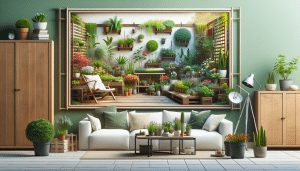
Designing with plants goes beyond function—arrangement can evoke feelings of peace, energy, or inspiration. Biophilic design, a growing trend in interior decorating, seeks to connect living spaces with nature for psychological benefit (https://www.asla.org/ContentDetail.aspx?id=53815). Grouping several houseplants in corners or near windows draws the eye and creates natural focal points. Hanging planters and wall-mounted displays introduce greenery without sacrificing floor space, perfect for small apartments.
Choosing planters in a variety of textures—ceramic, terracotta, or recycled materials—adds dimension and personality. Mixing pot shapes and plant sizes produces depth, especially when placed on shelves or plant stands at varying heights. Even a single dramatic specimen, like a fiddle-leaf fig or monstera, can transform a blank corner. Placement should also consider pets and children, steering clear of toxic species near high-traffic areas for extra safety. Incorporating resilient, non-toxic plants offers peace of mind without sacrificing visual impact.
Living greenery invites sensory engagement. Soft foliage, fragrant blooms, or even the gentle rustle of leaves creates a multisensory escape from daily routines. For those seeking mood boosts, flowering plants like orchids or bromeliads bring color, while aromatic herbs offer uplifting scents. The act of tending to plants itself—watering, pruning, or simply observing growth—can reduce stress, foster mindfulness, and promote a sense of achievement, all key elements of a nurturing, balanced home.
Easy Care Tips for Thriving Indoor Plants
Caring for indoor plants need not be complicated, yet understanding each plant’s specific needs is essential for long-term success. Overwatering remains the most common cause of houseplant problems, often leading to root rot and drooping leaves. To avoid this, check soil moisture before adding water—most plants prefer drying slightly between watering (https://hgic.clemson.edu/factsheet/indoor-plants-care-and-maintenance/). Using pots with drainage holes and saucers prevents water from accumulating at the roots.
Sunlight requirements vary widely. Snake plants and pothos tolerate low light, while succulents and cacti demand direct sun. Placing plants near windows, but out of intense midday rays, meets light needs for most foliage. Rotating pots every few weeks ensures even growth and prevents lopsided stems. Regular dusting of leaves helps plants absorb more light and keeps them vibrant. Fertilizing a few times during the growing season, with diluted houseplant food, encourages strong growth without overwhelming roots.
Pest management can be as simple as routine inspection. Look for signs like yellow spots or sticky residue, which may signal fungus gnats or spider mites. Organic solutions—like neem oil or insecticidal soap—offer gentle treatments. Pruning dead or yellowing leaves keeps foliage healthy and reduces the risk of disease spreading. These low-maintenance strategies encourage plants to thrive, giving busy households maximum benefit for minimal effort.
Unexpected Benefits of Houseplants for Mind and Body
The presence of greenery indoors extends beyond air quality. Numerous studies show links between indoor plants and improved concentration, lowered stress, and better emotional health. One theory is that nurturing plants activates the release of endorphins, the body’s ‘feel-good’ chemicals. Office environments with plants report higher productivity and reduced absenteeism, while homes gain a sense of tranquillity and comfort that supports relaxation and better sleep (https://www.ncbi.nlm.nih.gov/pmc/articles/PMC4419447/).
Green spaces—indoors or outside—are frequently recommended for those managing anxiety, depression, or mood swings. The act of caring for a living thing can introduce routine and purpose, especially beneficial for individuals in long stretches of remote work or limited mobility. Children benefit as well, developing empathy and responsibility by participating in plant care. These positive effects are accessible to everyone, regardless of gardening experience or the size of their living space.
In addition, plants can serve as gentle reminders of the changing seasons and cycles of life. Observing new leaves, flower buds, or the slow progression towards dormancy in winter creates connection with nature’s rhythms. Even when major lifestyle changes disrupt normal routines, plants provide steady companionship and a sense of continuity—qualities that nurture well-being throughout the year. To learn more, many local extension offices offer resources to support healthy indoor gardening habits.
Pet-Friendly Choices and Safety Considerations
Pets are part of the family, so plant selection must account for their safety. Many common houseplants, like pothos, philodendron, and lilies, are toxic to dogs and cats if ingested (https://www.aspca.org/pet-care/animal-poison-control/toxic-and-non-toxic-plants). Fortunately, there’s a range of non-toxic alternatives: spider plants, Boston ferns, and areca palms offer greenery without posing risk. Placing plants out of reach or using decorative barriers also prevents curious pets from nibbling leaves.
In homes with toddlers or climbing animals, avoiding hard-edged ceramic pots or glass planters reduces accident risk. Opt for sturdy, lightweight containers that won’t break or tip easily. Consistent placement helps pets learn which areas are off-limits. Using hanging baskets or tall shelving adds vertical appeal while safeguarding prized plants. Monitoring pets’ behavior around new plants ensures a safe transition as the household adjusts to a greener environment.
Plant care routines should include regular checks for fallen leaves or berries, which can attract play or chewing. Cleaning up soil spills promptly prevents accidental ingestion. With careful planning and a thoughtful approach to placement, homes can be filled with lush, safe greenery enjoyed by everyone—two- or four-legged alike. For a comprehensive list of safe and unsafe species, consult reputable resources before bringing any new plant home.
References
1. NASA. (n.d.). NASA Researchers Explore the Air Purifying Powers of Houseplants. Retrieved from https://www.nasa.gov/feature/nasa-researchers-explore-the-air-purifying-powers-of-houseplants
2. Penn State Extension. (n.d.). Houseplants and Interior-Scape Plants. Retrieved from https://extension.psu.edu/houseplants-and-interior-scape-plants
3. ASLA. (n.d.). The Benefits of Nature in Design. Retrieved from https://www.asla.org/ContentDetail.aspx?id=53815
4. Clemson Cooperative Extension. (n.d.). Indoor Plants – Care and Maintenance. Retrieved from https://hgic.clemson.edu/factsheet/indoor-plants-care-and-maintenance/
5. Adachi, M., Rohde, C., & Kendle, A. (2000). Effects of indoor plants on health and wellbeing. HortTechnology, 10(1), 53-59. Retrieved from https://www.ncbi.nlm.nih.gov/pmc/articles/PMC4419447/
6. ASPCA. (n.d.). Toxic and Non-Toxic Plants List. Retrieved from https://www.aspca.org/pet-care/animal-poison-control/toxic-and-non-toxic-plants

 Unexpected Ways You Can Fund a Startup Idea