Interior Design Ideas That Enhance Productivity
Thaddeus Crowley October 10, 2025
Research from the American Society of Interior Designers (2024) shows that well-designed spaces can improve productivity by up to 20%. Factors such as lighting, color, furniture layout, and air quality all influence cognitive performance, creativity, and mental clarity. A thoughtful interior not only makes a space beautiful but also transforms it into a tool for better work and lifestyle balance.
1. Natural Light and Strategic Lighting
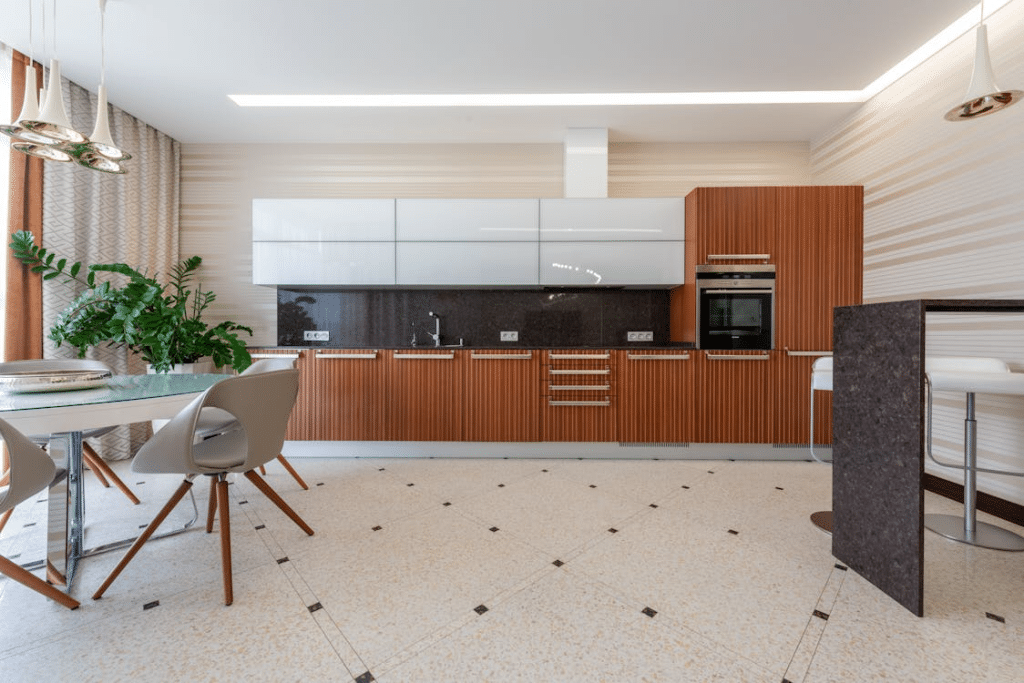
Lighting plays a major role in productivity. Natural light regulates circadian rhythms, boosts mood, and reduces eye strain.
Tips to optimize lighting:
- Position desks near windows to maximize daylight.
- Use full-spectrum LED lights to mimic natural sunlight.
- Add task lighting for focused activities like reading or computer work.
A well-lit space supports concentration and reduces fatigue.
2. Ergonomic Furniture for Comfort and Focus
Discomfort is a productivity killer. Ergonomic chairs, adjustable desks, and proper screen positioning reduce strain and allow longer focus sessions.
Furniture upgrades to consider:
- Sit-stand desks that encourage movement.
- Chairs with lumbar support and adjustable armrests.
- Monitor stands to keep screens at eye level.
Comfortable setups prevent burnout and improve efficiency.
3. Decluttered and Organized Spaces
Clutter creates distraction and stress. Organized spaces improve mental clarity and workflow.
Organization tips:
- Use shelving, storage bins, and drawer dividers.
- Adopt a minimalist approach—keep only what’s necessary.
- Create designated zones for different tasks.
A tidy environment frees mental space for creativity and focus.
4. Productivity-Boosting Colors
Color psychology plays a big role in mood and energy levels.
- Blue: Promotes calmness and focus—ideal for offices.
- Green: Encourages balance and reduces stress—perfect for creative work.
- Yellow: Stimulates creativity and optimism—great for brainstorming areas.
Using the right colors in different zones enhances energy and concentration.
5. Biophilic Design and Indoor Plants
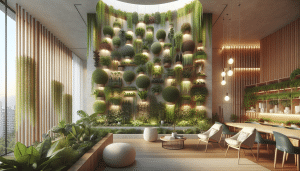
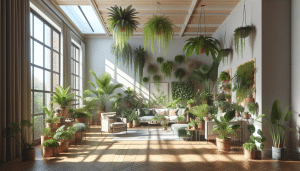
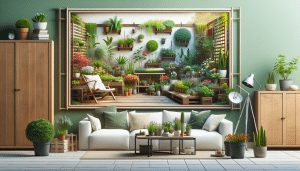
Biophilic design—integrating nature indoors—has been shown to improve productivity and reduce stress.
Ways to incorporate it:
- Place indoor plants like snake plants, pothos, or succulents.
- Add natural materials like wood, stone, and bamboo.
- Use water features or nature-inspired art for calming effects.
Plants improve air quality while boosting focus and creativity.
6. Acoustics and Noise Control
Noise is one of the most common productivity barriers. Good acoustic design reduces distractions and enhances concentration.
Strategies include:
- Carpets, curtains, and wall panels to absorb sound.
- Noise-canceling headphones for shared spaces.
- White noise machines or calming background music.
Managing sound levels creates an environment conducive to deep work.
7. Personalized and Inspiring Décor
Spaces that reflect personality motivate and energize. Inspiration boards, artwork, or meaningful objects can trigger creativity.
Ideas:
- Display vision boards or motivational quotes.
- Add artwork that sparks ideas.
- Use personal mementos sparingly to avoid clutter.
Personalized décor helps create a space where people feel connected and motivated.
8. Flexible Layouts for Hybrid Living
As homes double as workspaces, flexibility is crucial.
Flexible design tips:
- Modular furniture that adapts to different tasks.
- Room dividers or foldable desks to separate work and relaxation areas.
- Multi-purpose furniture, like ottomans with storage.
Flexibility supports both productivity and balance in hybrid lifestyles.
9. Technology Integration for Efficiency
Smart home devices streamline workflows and reduce friction.
Examples:
- Smart lighting that adjusts automatically.
- Wireless charging stations to reduce cable clutter.
- AI-driven climate control for comfort during work hours.
Integrating tech ensures that the workspace works smarter, not harder.
10. Wellness-Focused Additions
Wellness directly impacts productivity. Spaces designed with relaxation in mind create sustainable performance.
Consider:
- Meditation corners with calming décor.
- Standing mats for ergonomic balance.
- Aromatherapy diffusers with focus-enhancing scents like rosemary or peppermint.
Wellness design ensures productivity without sacrificing health.
Conclusion: Designing for Focus and Flow
The right environment makes it easier to perform at your best. By adopting interior design ideas that enhance productivity, individuals can create spaces that support focus, creativity, and well-being. Whether through lighting, ergonomics, or biophilic touches, thoughtful design transforms interiors into catalysts for success.
References
- American Society of Interior Designers. (2024). Impact of Design on Productivity. https://www.asid.org
- Psychology Today. (2024). Color and Productivity: How Design Influences Work. https://www.psychologytoday.com
- Architectural Digest. (2024). Biophilic Design Trends for Modern Living. https://www.architecturaldigest.com

 Fitness Challenges That Keep You Motivated