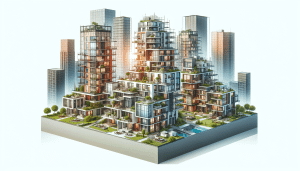
Why Urban Living Is Changing What You Value in a Home
Thaddeus Crowley September 25, 2025
Curiosity about what drives demand for urban homes is on the rise. This article explores how urban living, affordability concerns, and modern amenities are shaping what people seek in real estate and housing today.
Your Priorities in Urban Real Estate Are Shifting
Urban living is transforming real estate priorities for home buyers and renters. City spaces use land efficiently, promoting walkability and convenience. What residents value in a home now includes proximity to employment, schools, and public transit. Many people find city living fosters a sense of belonging and endless variety. This trend is leading to rapid changes in the types of properties being built, with a focus on environmental impact and flexibility. Studies identify demand for apartments and condominiums with features such as built-in co-working spaces and rooftop gardens (Source: NAHB).
For many, accessibility to reliable public transport is a top factor when choosing where to live. As urban centers grow, housing developments are planned to maximize convenience. These projects are attracting people who wish to reduce commuting times and improve work-life balance. Smart home technology and community amenities are increasingly non-negotiable. Noise reduction, green zones, and shared recreation spaces are part of developers’ responses to evolving demands. City planners and architects are responding by creating mixed-use buildings and vibrant neighborhoods providing both housing and lifestyle advantages.
Rising property costs in metropolitan areas have led to creative solutions. Micro-units, co-living arrangements, and conversions of former warehouses appeal to a younger demographic seeking affordability and style. These moves can help combat housing shortages and promote more diverse communities. Owners and tenants are finding new value in smaller, well-designed living spaces. City real estate now caters to a broader spectrum of budgets, needs, and interests, with flexibility at the center of the conversation.
Affordability Concerns Redefine Urban Housing Choices
Affordability is top of mind for those navigating urban housing. High prices in popular neighborhoods steer many towards renting, especially when flexibility and financial uncertainty are at play. Urban renters want predictable expenses, short-term leases, and streamlined application processes. Affordable housing programs and rental assistance initiatives are being introduced to counteract market pressure. Cities continue to experiment with mixed-income housing and inclusionary zoning to create long-term solutions (Source: HUD).
Prospective buyers may choose fixer-uppers, co-housing, or “rent-to-own” models as entry points into the market. Crowdfunding platforms and shared equity arrangements have gained traction. These resources supplement traditional mortgage options for younger generations who want to build wealth amidst rising urban prices. Partnerships between private developers and public agencies are also unlocking new affordable housing projects, which offer hope for more equitable urban development.
The impact of affordability goes beyond just the property itself. Utility costs, HOA fees, access to transit, and even parking availability factor into the calculation. Buyers and renters alike are turning to digital tools that allow them to compare total cost-of-living scenarios. Online platforms and data transparency empower consumers to make smarter choices. Finding affordable urban housing remains a challenge, but innovation in policy, technology, and design is opening up new avenues to meet this growing demand.
Desirable Amenities Are Shaping the Urban Home Search
Modern amenities have become a primary consideration for those pursuing urban living. Residents increasingly expect fitness centers, concierge services, and fast Wi-Fi networks within their building. Rooftop spaces, pet-friendly facilities, and secure bike storage are in demand. These features support a healthy lifestyle and enable a stronger work-from-home environment. Mixed-use developments that include retail, dining, and community events are particularly attractive (Source: Urban Land Institute).
An important extra consideration is sustainability. High-efficiency appliances, green roofs, and solar power systems are becoming must-have elements for urban dwellers. Owners and developers aim to reduce energy use, lower operating costs, and meet environmentally conscious buyers’ standards. Amenities such as recycling centers and electric vehicle charging stations are noticed by those who wish to shrink their ecological footprint.
Location is always relevant, but it is enhanced by these amenities. Many people are willing to compromise on square footage in exchange for building-wide luxuries and social connectivity. The right mix of private and shared spaces can boost overall satisfaction. By investing in amenities that make daily living more comfortable and enjoyable, developers create communities where residents stay longer—and the urban housing market continues to evolve in response to these expectations.
How Work and Lifestyle Changes Impact Urban Real Estate
The rise of remote and hybrid work models is transforming the urban housing market. Flexible workspace options within buildings draw interest from telecommuters who might otherwise relocate outside city centers. Many are reorganizing their homes to accommodate a dedicated office or study area. These changes influence not just interior layouts but also the types of buildings sought out by modern buyers and renters (Source: U.S. Census Bureau).
Parks, green belts, and recreational paths connect neighborhoods and boost overall quality of life. With city living more appealing than ever for some, the demand for flexible real estate is only expected to grow. Many families appreciate the proximity to enrichment activities and educational centers, while singles and young couples value nightlife, dining, and cultural venues. These lifestyle preferences continually steer urban investment and development strategies.
As the balance between work and leisure shifts, so do expectations of what constitutes the “ideal” home. More natural light, extra storage, and outdoor spaces are leading priorities. Properties offering wellness rooms, gyms, or secure parcel delivery lockers edge out the competition. Urban real estate adapts to accommodate these evolving needs, blurring the line between work, play, and relaxation.
Technology’s Growing Role in Urban Housing Markets
Proptech, or property technology, is simplifying the way people interact with the urban housing market. Digital platforms facilitate virtual tours, secure transactions, and transparent comparisons. Home automation and smart building systems are now everyday expectations in new developments. These tools help streamline maintenance requests, improve security, and even lower energy use. As technology advances, property management becomes more efficient, benefitting both residents and owners (Source: HousingWire).
Artificial intelligence and data analytics are influencing everything from setting rental rates to predicting market trends. Machine learning tools can detect patterns in buyer preferences, shaping future development. Automation isn’t only for high-end apartments; even modest buildings benefit from digital key access and parking management systems. The rise of online home listings encourages more transparency and gives buyers and renters control over their search.
With greater digital access, urban real estate is now within reach for more people. Virtual resources lower barriers for out-of-area movers and provide up-to-date insights into local market conditions. Real estate agencies use these platforms to create engaging experiences and maintain customer satisfaction. As the tech ecosystem expands, the integration of smart technologies in city living will only grow—setting future expectations for comfort and connectivity in homes.
Urban Redevelopment and the Future of Housing Diversity
Urban redevelopment is bringing fresh approaches to housing diversity. Adaptive reuse projects—such as transforming old industrial sites into vibrant communities—are gaining momentum. These projects often feature mixed-income housing and spaces for local businesses, fostering economic growth and social cohesion. Planners and developers look to urban infill and creative re-zoning to unlock new land for residences (Source: EPA).
Affordable housing remains a priority. Redevelopment often includes policy interventions such as tax incentives for affordable units or requirements for sustainable building standards. Cities promote equitable growth by integrating accessible homes with retail, health care, and green spaces. The aim is to offer a quality living environment for people from a range of backgrounds and income levels.
The future of urban housing is likely to become more personalized and community-focused. Reimagined neighborhoods will reflect diverse cultures and priorities while encouraging sustainable growth. Innovations in construction, architecture, and policy design will play a central role. Success depends on collaboration between government, private enterprises, and local communities as they respond to the ongoing evolution of urban living.
References
1. National Association of Home Builders. (2020). The Impact of COVID-19 on Urban Form and Cities. Retrieved from https://www.nahb.org/-/media/NAHB/news-and-economics/docs/housingeconomics-plus/special-studies/2020/special-study-the-impact-of-covid-19-on-urban-form-and-cities-presentation.pdf
2. U.S. Department of Housing and Urban Development. (2021). Affordable Housing Policy and Trends. Retrieved from https://www.huduser.gov/portal/pdredge/pdr-edge-frm-asst-sec-081021.html
3. Urban Land Institute. (2022). Leaders in Community Resilience Initiative. Retrieved from https://www.uli.org/research/centers-initiatives/center-for-building-performance/leaders-in-community-resilience/
4. U.S. Census Bureau. (2021). Remote Workers Migrating to New Cities. Retrieved from https://www.census.gov/library/stories/2021/05/remote-workers-migrating-to-new-cities.html
5. HousingWire. (2023). How Proptech Is Driving Change in Housing. Retrieved from https://www.housingwire.com/articles/how-proptech-is-driving-change-in-housing/
6. U.S. Environmental Protection Agency. (2021). Smart Growth and Housing. Retrieved from https://www.epa.gov/smartgrowth/smart-growth-and-housing

 Surprising Benefits You Might Gain from Gut Health