Surprising Benefits You Might Gain from Gut Health
Evangeline Keaton September 25, 2025
Unlock the secrets of a thriving digestive system and see how gut health impacts well-being, mood, and energy. This article explores the unexpected connections between the gut, immune system, and even mental clarity—demystifying probiotics, prebiotics, and lifestyle tweaks that support wellness.
The Hidden Link Between Gut Health and Well-Being
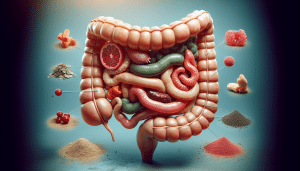
The gut is often called the body’s second brain, and for good reason. Emerging evidence shows that gut health can influence physical and mental wellness through what’s known as the gut-brain axis. Trillions of bacteria, yeasts, and other microorganisms make up the gut microbiome, playing diverse roles in digesting food, synthesizing nutrients, and modulating immune responses. Researchers have found that disruptions in this delicate ecosystem may be linked to a variety of wellness concerns, from digestive discomfort to autoimmune responses. Taking care of the gut is not just about digestion—it’s connected to feeling energized and maintaining overall health (Source: https://www.niddk.nih.gov/health-information/digestive-diseases/digestive-system-how-it-works).
The fascinating relationship between the gut and the immune system is gaining attention among scientists and healthcare professionals. Nearly 70% of immune cells are found in the digestive tract. When the gut is balanced, these cells respond appropriately, but imbalances in the microbiome may trigger inappropriate immune activation or suppression. This connection is particularly relevant for individuals navigating chronic inflammation or frequent illness. Optimizing gut ecology could help support natural defenses, which is why dietary strategies and probiotics are topics of growing interest in wellness circles.
Another lesser-known function of the gut involves producing neurotransmitters like serotonin. In fact, more than 90% of the body’s serotonin—a compound that affects mood and happiness—is produced in the gut lining. This surprising fact is shaping how experts think about managing stress and emotional balance. Gut-supportive foods and habits can therefore be an integral part of feeling more upbeat and resilient, creating a strong case for integrating gut health practices into daily routines (Source: https://www.hopkinsmedicine.org/health/wellness-and-prevention/the-brain-gut-connection).
Understanding Probiotics and Prebiotics for Digestive Harmony
Many people are curious about the real impact of probiotics and prebiotics. Probiotics are live, beneficial bacteria that can be obtained from fermented foods like yogurt, kefir, sauerkraut, and kombucha. These helpful microbes may contribute to a balanced gut environment by crowding out harmful bacteria and assisting in the fermentation of fiber. Meanwhile, prebiotics—found in foods like onions, garlic, bananas, and oats—are types of dietary fiber that feed these friendly probiotics. Consuming enough prebiotic-rich foods helps maintain and increase the populations of beneficial bacteria (Source: https://www.hsph.harvard.edu/nutritionsource/probiotics-and-prebiotics/).
The benefits of probiotics extend beyond supporting regular digestion. Certain strains have been linked with reducing occasional bloating, supporting immune responses, and even influencing skin health. However, the effects may be strain-specific, which means that not all probiotic foods or supplements work in exactly the same way. When individuals want to support gut balance, exploring a varied diet with multiple sources of fermented foods may be more beneficial than focusing on a single product. Extra dietary sources such as tempeh and miso can also play a role in this routine.
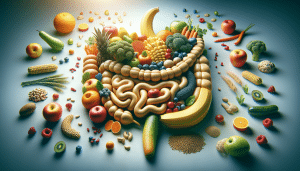
Incorporating prebiotics can be surprisingly simple. Swapping refined snacks with a banana, adding asparagus to dinner, or choosing whole-grain bread are all effective ways to boost fiber and nourish beneficial microbes. There is also research showing that increasing prebiotic intake may help regulate metabolism, promote satiety, and encourage healthy weight management. The synergy between prebiotics and probiotics—known as the synbiotic effect—reminds us that gut health thrives on dietary diversity and balance.
Gut Health and Immune System Synergy
One of the most important, yet often overlooked, aspects of immunity starts in the gut. A well-functioning digestive tract acts as a physical barrier, preventing harmful pathogens from entering the bloodstream. Specialized immune cells in the gut lining are continually scanning for harmful bacteria, viruses, or toxins, launching appropriate defenses when necessary (Source: https://www.ncbi.nlm.nih.gov/pmc/articles/PMC5641835/). When the microbiome is robust, these defenses tend to work more efficiently.
Imbalances in the gut, sometimes caused by antibiotics, highly processed diets, or chronic stress, may disrupt this important line of defense. Such disruptions can potentially lead to increased intestinal permeability, also known as ‘leaky gut.’ This situation allows larger molecules, and sometimes pathogens, to cross into the bloodstream, where they may trigger inflammatory responses. Research continues to investigate the relationship between these responses and broader immune function, including possible implications for allergies and autoimmune tendencies.
To help reinforce the gut-immune connection, many people are drawn to dietary approaches that feature fiber, antioxidants, and minimal processing. Fresh fruits, leafy greens, beans, and fiber-rich whole grains appear to nurture a flourishing, balanced microbiome. Small shifts in food choices—like opting for berries as snacks—can have a positive impact on both digestive and immune wellness, making these changes simple yet effective tools for supporting overall health (Source: https://www.verywellhealth.com/gut-health-5092113).
The Gut-Brain Connection and Mental Clarity
Gut health is deeply intertwined with cognitive function and mood, thanks to a complex signaling network called the gut-brain axis. Communication between the gut, nervous system, and brain occurs largely through the vagus nerve and small molecules made by bacteria. This dynamic relationship means that changes in gut flora can influence mental focus, stress response, and even feelings of anxiety or calm.
Scientists have identified certain strains of bacteria that produce neurotransmitters and anti-inflammatory compounds, contributing to both emotional balance and mental clarity. For example, the abundance of Bifidobacteria and Lactobacillus has been connected with more positive emotional states in clinical studies (Source: https://www.psychologytoday.com/us/basics/gut-brain-connection). When the gut is out of balance, individuals may experience symptoms that go beyond digestion—think brain fog, low energy, or irritability.
Fueling the gut-brain axis involves more than just dietary changes. Regular sleep, managing stress, and even moderate physical activity encourage microbial diversity and stability. Mindful eating habits, such as savoring meals and limiting distractions, may also positively impact mood. These lifestyle tweaks, combined with gut-friendly foods, create a holistic framework for supporting both cognitive performance and emotional resilience.
Practical Steps for Everyday Gut Wellness
Small adjustments can make a big difference in gut health and, ultimately, overall vitality. First, introducing a variety of colorful fruits and vegetables boosts fiber and supplies the nutrients that beneficial bacteria love. Next, exploring diverse whole grains, nuts, and seeds offers even more prebiotic material for supporting a healthy microbiome (Source: https://www.eatright.org/health/wellness/preventing-illness/gut-microbiome-how-it-works-and-how-to-keep-it-healthy).
Fermented foods are a welcome addition to many daily menus and can help increase the intake of diverse probiotic strains. Yogurt, kimchi, and pickles prepared with live cultures are a few easy choices that fit into many dietary patterns. Even simply trying new vegetables or rotating food options regularly exposes the gut to a wider range of beneficial compounds and fibers, fostering resilience against digestive imbalances.
Beyond food, hydration and sleep are crucial in supporting gut function. Staying well-hydrated helps with digestion and the movement of nutrients through the system, while regular sleep helps regulate gut hormone cycles. Reducing stress through mindfulness, physical activity, or hobbies can also support microbial diversity. These habits come together to support a healthy, thriving gut environment from multiple angles.
Recognizing Signs of Gut Imbalance and When to Seek Support
Gut imbalances often present subtly. Occasional bloating, irregular bowel movements, changes in appetite, or persistent fatigue can sometimes point to an underlying digestive issue. Recent research confirms that symptoms may be influenced by diet, stress, and environmental factors (Source: https://www.cdc.gov/healthyweight/healthy_eating/digestive-health.html).
It can be helpful to track symptoms over time, noting when they arise and what might trigger them. Keeping a journal about energy, mood, and even sleep quality gives a fuller picture of gut function. If imbalances persist, discussing them with a healthcare provider is recommended to rule out food sensitivities or chronic digestive diseases. A healthcare professional can guide appropriate tests or suggest targeted dietary changes based on individual needs.
Listening to the gut and acting on early signals is an empowering part of maintaining well-being. Incorporating gut-friendly habits proactively, while staying alert to shifts, can support long-term vitality. The more people learn about how digestive wellness ties into other areas, the easier it becomes to make effective, sustainable changes for lasting health.
References
1. National Institute of Diabetes and Digestive and Kidney Diseases. (n.d.). The digestive system & how it works. Retrieved from https://www.niddk.nih.gov/health-information/digestive-diseases/digestive-system-how-it-works
2. Harvard T.H. Chan School of Public Health. (n.d.). Probiotics and prebiotics. Retrieved from https://www.hsph.harvard.edu/nutritionsource/probiotics-and-prebiotics/
3. Hopkins Medicine. (n.d.). The brain-gut connection. Retrieved from https://www.hopkinsmedicine.org/health/wellness-and-prevention/the-brain-gut-connection
4. National Center for Biotechnology Information. (2017). The interplay between the gut microbiota and the immune system. Retrieved from https://www.ncbi.nlm.nih.gov/pmc/articles/PMC5641835/
5. Verywell Health. (n.d.). Gut health: Why it matters. Retrieved from https://www.verywellhealth.com/gut-health-5092113
6. Academy of Nutrition and Dietetics. (2022). Gut microbiome: How it works and how to keep it healthy. Retrieved from https://www.eatright.org/health/wellness/preventing-illness/gut-microbiome-how-it-works-and-how-to-keep-it-healthy

 Simple Habits That Make Your Home Feel Like Luxury