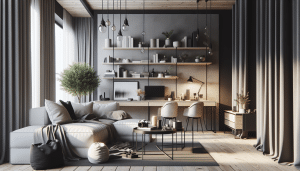
Why Minimalist Living Might Transform How You Feel
Evangeline Keaton September 26, 2025
Minimalist living is more than a trending aesthetic—it’s a lifestyle shift that promises clarity and contentment. In this guide, discover how decluttering spaces, adopting mindful consumption, and designing a calming home may reshape both your daily routine and emotional well-being.
The Core Principles Behind Minimalist Living
Minimalist living centers on intentionally paring down possessions, routines, and distractions to create more meaning within your life. Instead of filling homes and schedules with as much as possible, enthusiasts of this lifestyle find joy in simplicity and deliberate choices. A core belief is that by reducing clutter and excess, there’s more mental space for the things that truly matter—whether relationships, experiences, or creative passions. Minimalism is not about deprivation. It’s about clarity and fostering a sense of calm that supports emotional and physical wellbeing.
For many, the journey begins with a personal inventory—observing which items serve a purpose and what’s simply taking up space. This process is often linked to the growing movement for sustainable living because owning less means a reduced environmental footprint. Mindful consumption strives to avoid unnecessary purchases and highlights the value of each item. As a result, homes become easier to manage and maintain, and daily routines often feel lighter and less chaotic. This focused approach can enhance mindfulness, commonly associated with increased happiness and reduced anxiety.
Minimalism also emphasizes the importance of quality over quantity. A few well-chosen pieces of furniture or clothing can have a larger impact than crowded drawers and cabinets. By choosing what to keep with intention, people experience a distinct sense of empowerment—a feeling of control over their environments and time commitments. This control, paired with a purposeful aesthetic, contributes to the rising popularity of the minimalist lifestyle. Many report improved focus and a more satisfying home environment when fewer things vie for attention.
Benefits of Decluttering for Mind and Space
Decluttering is frequently cited as the initial step toward minimalist living and brings psychological as well as spatial benefits. When belongings pile up, they naturally compete for visual and cognitive attention—even if tucked in closets or drawers. Research from mental health organizations reveals that high levels of clutter are associated with elevated stress and mental fatigue. The process of letting go of unneeded items can actually create a visible sense of order and peace in living spaces, making homes feel more open and inviting.
Beyond reducing stress, streamlined spaces support better productivity. With less to manage or clean, routines take less time and decision-making feels less overwhelming. This is especially impactful in work-from-home or studio scenarios, where unnecessary distractions can derail focus. Many experts note that the act of sorting, donating, or discarding can itself be therapeutic, providing an immediate mood boost and a sense of accomplishment. Over time, these small victories contribute to a wider sense of resilience and confidence in managing life’s challenges.
For families, decluttering can spark positive habits across generations. Children who grow up in organized, calm environments may learn early lessons about setting priorities and appreciating non-material aspects of life. These skills translate into school, relationships, and eventually the workplace. Additionally, reduced accumulation of items lightens the environmental impact of a household, linking individual wellbeing with broader sustainability goals. Many communities have started swap meets and donation drives that make decluttering a participatory, collective effort.
Designing a Minimalist Home for Comfort and Function
Embracing minimalist design principles doesn’t mean living in stark, cold spaces. In fact, minimalist home design aims to balance function with comfort, focusing on clean lines, calming colors, and thoughtful organization. Neutral palettes, warm textures, and plenty of natural light define many modern minimalist spaces. When items are limited to those that serve both purpose and aesthetic value, the energy of a room shifts—it often becomes easier to relax and decompress after a busy day. Smart storage solutions ensure that everyday essentials are accessible, but out of sight, maintaining an uncluttered appearance.
Personalized minimalism gives everyone the opportunity to choose what comfort means in their own environment. Some might infuse their space with a favorite chair or carefully selected artwork that brings joy. For others, a balanced bedroom or spa-like bathroom encourages restorative rest and mental ease. Experts in interior design highlight that incorporating green plants and using sustainable, non-toxic materials can further amplify the feeling of tranquility within the home. Even small apartments or rented quarters can feel like spacious retreats when the layout and décor are simplified.
Minimalism is also highly adaptable. Seasonal shifts provide opportunities to reassess items in common areas and wardrobes, ensuring that cherished possessions aren’t lost in excess. Flexible furnishings—like nesting tables or modular shelving—keep spaces tidy and support evolving habits or households. Rather than following a prescribed list of ‘essentials,’ the focus is on creating a bespoke environment that nurtures the needs, work, and play of its inhabitants. This intention-driven approach often leads to deeper satisfaction with one’s living environment.
Conscious Consumption and Sustainable Choices
One of the most impactful aspects of minimalist living is conscious consumption. This concept extends beyond buying less—it involves choosing items that are ethically made, long-lasting, and multi-functional. Minimalists often research the source and durability of products, supporting brands that prioritize eco-friendly practices. This shift contributes to less waste, fewer impulse purchases, and greater overall satisfaction with each acquisition. Modern minimalism increasingly aligns with global movements for environmental awareness and personal wellness.
Adopting a sustainable mindset means asking deliberate questions before each purchase: Do I truly need this? Will it add lasting value? This simple practice minimizes the buildup of rarely used items and helps align shopping habits with personal goals. Conscious living is not about sacrifice—it’s an intentional strategy that can lead to financial savings and a stronger sense of gratitude. Many practitioners share that they feel less tethered to ever-changing trends and more connected to what genuinely enhances their lives.
Sustainable consumption also touches on daily habits such as meal prep, fashion, and technology. Many minimalists explore capsule wardrobes, reusable kitchenware, and digital decluttering strategies. These choices reduce the amount of decision fatigue experienced each day and promote a sense of agency in shaping one’s carbon footprint. Community groups, online forums, and sustainability workshops host support and inspiration for those interested in integrating these habits into busy schedules. Sharing tips and resources builds a sense of belonging and shared purpose across generations.
Minimalism and Emotional Well-being
Research reveals powerful connections between minimalist lifestyles and emotional wellness. Those who practice regular decluttering and mindful purchasing commonly report feeling lighter and less anxious. When fewer material distractions exist, the mind is naturally redirected toward gratitude, reflection, and relationship building. Experts in psychology note that environments with lower sensory overload foster calmness and can help soothe symptoms of overwhelm in both adults and children. This can be especially important for individuals managing stress or struggling with focus in busy households.
Minimalism may support more restful sleep and better daily routines. With streamlined bedrooms, subdued color schemes, and reduced light pollution, falling and staying asleep is often easier. Clarity in one’s physical space can lead to clarity in thinking, improving problem-solving abilities at work or school. Mindful minimalism isn’t just about less—it’s about choosing what supports growth, peace, and connection. Even small steps, like designating a tech-free zone or simplifying mealtime routines, can offer surprising emotional dividends.
A final benefit is the freedom to focus energy on relationships and experiences. Many share that curating their lives in alignment with minimalist traditions allows them to prioritize what’s truly important, whether that’s family dinners, creative hobbies, or quiet time for personal reflection. By making space for activities and interactions that matter, minimalism builds community in unexpected ways. As global interest grows, new books, podcasts, retreats, and support groups continue emerging to encourage others along the journey.
Getting Started with Minimalist Living
Curiosity about minimalist living is at an all-time high, but knowing where to start can be challenging. Most find success by tackling one area at a time—perhaps a single drawer, digital folder, or aspect of daily routine. Setting realistic, attainable goals avoids overwhelm. Some experts suggest keeping a donation box accessible so items can be easily set aside during everyday tidying. Tracking small victories, like cleared countertops or less hectic mornings, motivates continued progress.
Digital resources offer a wealth of support for those venturing into minimalism. Online guides, documentaries, and step-by-step decluttering challenges can provide visual and motivational aids. Connecting with others online or in person offers accountability and ideas for creative solutions to unique household needs. Remember, there is no single right way to live minimally—each person’s journey looks different and will unfold over time based on preferences and lifestyles.
Finally, building in moments for reflection makes a significant difference. Journaling thoughts about why minimalism is appealing and tracking changes in mood or productivity can highlight subtle benefits that aren’t always immediately visible. Over weeks and months, most notice increased satisfaction with less, better focus, and more meaningful free time. Minimalist living supports not only beautiful spaces but also resilient, intentional, and joyful lives—one step at a time.
References
1. American Psychological Association. (n.d.). Psychology of clutter: Why our brains love order and how to achieve it. Retrieved from https://www.apa.org/monitor/2019/01/ce-corner-clutter
2. Environmental Protection Agency. (n.d.). Sustainable management of materials. Retrieved from https://www.epa.gov/smm
3. National Alliance on Mental Illness. (n.d.). How home environments can impact mental health. Retrieved from https://www.nami.org/Your-Journey/Individuals-with-Mental-Illness/Health-Wellness/Healthy-Living
4. The Minimalists. (n.d.). Minimalism: A documentary about the important things. Retrieved from https://www.theminimalists.com/film/
5. University of California, Berkeley. (n.d.). The science of happiness at home. Retrieved from https://greatergood.berkeley.edu/article/item/the_more_of_less_how_minimalism_leads_to_emotional_wellbeing
6. U.S. Department of Agriculture. (n.d.). Waste reduction and sustainable households. Retrieved from https://www.usda.gov/topics/food-and-nutrition/waste-reduction

 You Might Be Missing These Signs of Gut Health Issues