You Might Be Missing These Signs of Gut Health Issues
Evangeline Keaton September 26, 2025
Gut health quietly shapes many aspects of everyday well-being. Learn signs you might be overlooking, practical ways to support digestive balance, and discover what science reveals about nurturing the microbiome for long-term vitality.
Understanding Why Gut Health Matters
The gut, often described as the body’s second brain, is more complex than it might seem at first glance. With trillions of bacteria and other microorganisms living in the digestive tract, gut health influences much more than digestion. Research suggests the state of one’s gut microbiome impacts immunity, energy, even mood. When gut balance slips, the ripple effects touch nearly every system. Many may not connect low energy, skin concerns, or sleep disruption to digestive wellness, but evidence is mounting that gut health could be central to these problems (see NIH Probiotics).
It’s easy to overlook subtle symptoms that hint at gut imbalance. Some examples include persistent bloating, irregular bowel movements, or increased food sensitivities. These changes often develop slowly, but they can affect your quality of life. The gut works closely with your immune system, playing a major role in protecting against pathogens and maintaining overall resilience. Ignoring early warning signs might lead to more persistent issues later. Prioritizing gut care doesn’t mean drastic changes—small adjustments in diet and lifestyle can have a big impact.
The mind-gut connection also deserves attention. There’s growing evidence that gut health is linked to mental well-being. Stress can disrupt the gut barrier, while a diverse and balanced microbiome may support more stable mood and cognitive clarity. Understanding these connections is the first step in addressing underlying causes instead of just managing symptoms as they arise. The entire digestive system responds to hormones, nutrition, and stress, reinforcing how interconnected gut health is with daily life.
Common Signs of Gut Imbalance
Noticing the signs of gut imbalance can be tricky. Digestive discomfort is one obvious clue—regular bloating, constipation, acid reflux, and diarrhea suggest something isn’t right. These issues may come and go, or become more frequent with time. Other, less obvious symptoms can include frequent fatigue, brain fog, or skin conditions like eczema and acne. Scientists now recognize that unresolved GI complaints can be a clue that the microbial community or gut barrier are under strain.
Food intolerances may also be a red flag. Individuals might notice reactions to foods that never caused problems before. This could be due to a weakened intestinal lining or a reduction in beneficial bacteria that normally aid digestion. Other telltale signs are persistent bad breath, unexplained weight changes, or a weakened immune response. Even minor, recurring headaches and joint pain have been associated with gut-related inflammation (Source: Cleveland Clinic).
A disrupted gut microbiome can also contribute to high stress or anxiety. The bidirectional communication between gut and brain means that an imbalanced digestive system may influence emotional responses. Many individuals compensate with caffeine or sugary foods, which can worsen microbial imbalance. Recognizing that fluctuating mood, sleep, and cravings might trace back to the gut can help demystify symptoms that otherwise feel random.
Practical Steps for Supporting Gut Wellness
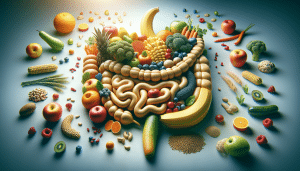
Small, consistent shifts can transform gut health over time. One foundational step is adding more high-fiber foods to meals. Dietary fiber feeds friendly gut bacteria, allowing them to produce short-chain fatty acids that support the intestinal lining and ease inflammation. Gradually including more beans, whole grains, fruits, and vegetables helps foster this balance. Hydration is just as important—adequate water intake supports digestion and the healthy movement of food through the system.
Fermented foods have attracted attention as a fun and flavorful way to introduce beneficial bacteria into meals. Options like yogurt, kefir, sauerkraut, kimchi, and miso can help diversify the microbiome. Not all fermented foods are equally effective, but research supports their general value as part of a regular routine. Those with food sensitivities should experiment slowly, observing how their bodies respond. For some, prebiotic-rich foods such as garlic, onions, and bananas can further enhance the gut environment (Source: Harvard Nutrition Source).
Managing stress is pivotal for anyone interested in gut wellness. Chronic tension can alter digestive secretions, slow or speed up gut transit time, and disrupt the delicate community of microbes in the gut. Simple mindfulness practices—deep breathing, meditation, restorative yoga—can be integrated into even busy schedules. These calming routines benefit both digestion and overall stress reduction, offering a holistic way to approach gut health challenges.
Understanding the Microbiome’s Role
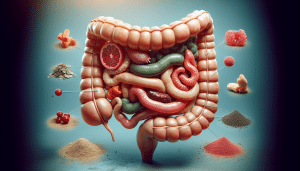
The gut microbiome is the collection of unique bacteria, fungi, and other microbes that inhabit the digestive tract. Each person’s microbiome is distinct, shaped by genetics, diet, medications, and environment. These microbes help break down food, synthesize vitamins, support the immune system, and maintain the integrity of the gut lining. Even short courses of antibiotics can disrupt this balance, sometimes resulting in digestive distress or reduced immunity.
Maintaining diversity in gut flora is crucial. Diets high in processed foods and added sugars are linked with decreased microbial variety. By contrast, plant-rich diets support more robust and diverse bacterial communities. Regularly consuming a wide variety of fruits, vegetables, and legumes introduces new fibers and polyphenols that different microbes thrive on. Public health organizations recommend varying the diet often to optimize gut flora diversity (Source: NIH PubMed Central).
Emerging science links a balanced microbiome with long-term wellness outcomes—including stable blood sugar, lower cholesterol, and even improved cognitive function. While research is ongoing, experts recommend building microbiome resilience by minimizing unnecessary antibiotic use, rotating food choices, and fostering a healthy lifestyle overall. Nurturing your gut can contribute to more resilient health in subtle but significant ways.
When to Seek Professional Advice
Many minor digestive complaints can be managed with lifestyle adjustments. But persistent pain, unintentional weight loss, blood in stool, or frequent vomiting signal it’s time to consult a healthcare professional. Early intervention is important for ruling out inflammatory bowel disease, infections, or other serious conditions. Functional digestive symptoms without a clear diagnosis still deserve attention; persistent discomfort should not be dismissed (Mayo Clinic).
Dietitians, gastroenterologists, and other gut health specialists can provide tailored advice after a careful evaluation. They may recommend diagnostic testing for food intolerances, infections, or chronic inflammation. Personalized nutrition advice, sometimes including elimination diets or specific prebiotic and probiotic supplements, can help resolve challenging cases. Seeking guidance supports long-term health and confidence in managing symptoms.
Open conversations with healthcare professionals allow people to share their full symptom history, try evidence-based interventions, and monitor progress with support. There’s no need to silently struggle with chronic gut symptoms. With increased scientific understanding and personalized care, managing gut health challenges continues to become more accessible and effective for all.
Building Daily Habits for Long-Term Gut Vitality
Consistency is the secret ingredient for lifelong gut wellness. Just as it takes time for symptoms to develop, nurturing a healthier gut is a patient process. Mindful eating—chewing thoroughly, eating slowly, and savoring food textures—can ease digestion and support the body’s natural rhythms. Avoiding unnecessary stress and prioritizing sleep reinforce daily efforts toward improved gut health.
Diversifying meal choices and preparing colorful plates help ensure regular exposure to a spectrum of plant fibers. Making movement a routine also supports digestion—walking after meals and maintaining regular activity promote gut motility. As with any wellness journey, setbacks may occur, but small, sustainable changes will stack up over time. There is no single food or supplement that “fixes” poor gut health. Instead, layering several positive habits encourages long-lasting change.
Tracking changes with a diary or digital app can help individuals notice subtle improvements and stay motivated. Sharing findings with a healthcare professional or wellness community creates accountability. Prioritizing gut wellness does not have to be complex. With growing recognition of the gut’s role in well-being, committing to daily gut-friendly habits is an empowering choice that supports overall health for years to come.
References
1. National Institutes of Health. (n.d.). Probiotics: What You Need to Know. Retrieved from https://www.nccih.nih.gov/health/probiotics-what-you-need-to-know
2. Cleveland Clinic. (n.d.). Your Digestive Health. Retrieved from https://my.clevelandclinic.org/health/articles/16654-your-digestive-health
3. Harvard T.H. Chan School of Public Health. (n.d.). Probiotics. Retrieved from https://www.hsph.harvard.edu/nutritionsource/probiotics/
4. NIH PubMed Central. (2017). Diet rapidly affects gut microbiome composition. Retrieved from https://www.ncbi.nlm.nih.gov/pmc/articles/PMC5641835/
5. Mayo Clinic. (n.d.). Digestive Problems. Retrieved from https://www.mayoclinic.org/diseases-conditions/digestive-problems/expert-answers/faq-20058151
6. Johns Hopkins Medicine. (n.d.). Gut Health and The Microbiome. Retrieved from https://www.hopkinsmedicine.org/health/wellness-and-prevention/gut-health-and-the-microbiome

 Unlocking the Secrets of Affordable Housing