Surprising Facts You Miss About Gut Health
Evangeline Keaton October 14, 2025
Gut health holds surprising power over daily wellness, shaping immunity, mood, and energy levels. Discover how the trillions of gut microbes influence digestion, weight, and even mental clarity—and which habits scientists say support long-term digestive balance.
The Gut Microbiome and its Hidden Influence
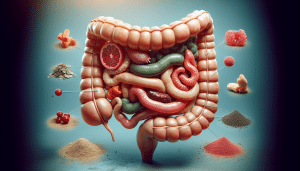
The gut is home to trillions of bacteria, fungi, and other microbes, collectively called the gut microbiome. This ecosystem quietly impacts digestion, immune responses, and nutrient absorption. Each day, these microorganisms work together to transform food into energy and nutrients your body relies on for daily functioning. Researchers have uncovered that a diverse gut microbiome can be linked to improved health outcomes, ranging from better digestion to enhanced mental clarity and even weight management. The complexity and harmony of your gut flora may be as unique as your fingerprint, with genetics, diet, medication, and lifestyle all shaping their makeup over time.
Imagine tiny, unseen helpers breaking down fiber, fighting off harmful bacteria, and balancing delicate processes. These microbes create metabolites such as short-chain fatty acids, which strengthen the gut barrier, support immune regulation, and can influence inflammation levels throughout the body. When the gut’s microbial communities thrive in harmony, the body stands a better chance of resisting infections and absorbing vital nutrients efficiently. Studies continue to show links between gut diversity and decreased risk of metabolic issues and chronic digestive discomfort.
However, when balance is disturbed—by stress, antibiotics, a low-fiber diet, or poor sleep—the gut environment may shift. Symptoms like frequent bloating, irregularity, or fatigue can be signals. Scientists are still uncovering exactly how to nurture the right balance, but early evidence suggests dietary variety and fiber intake play important roles. Gut health’s broad influence continues to inspire research, revealing connections to everything from allergies to mood swings.
Gut Health and Your Immune System
About 70% of the immune system lives in the gut. The intestinal lining acts as a barrier while hosting immune cells that scan for invaders and alert the body to potential threats. When the gut works smoothly, it supports a balanced immune response, defending against harmful microbes without overreacting. Ongoing gut inflammation can disrupt this balance, contributing to autoimmune responses or leaving the body vulnerable to infections. Supporting the gut helps maintain this front-line defense, especially during periods of stress or seasonal illness (Source: https://www.nih.gov/news-events/nih-research-matters/gut-microbiota-directs-immune-system-response).
Beneficial gut bacteria also teach the immune system how to discern between friend and foe. This constant training is especially important early in life, shaping future tendencies toward allergies, intolerances, or autoimmune reactions. Consuming probiotics and prebiotics from fermented foods or high-fiber plants has been shown to encourage populations of beneficial microbes, possibly dampening inflammation and lowering the risk of certain diseases.
When the complex ecosystem in the digestive tract loses its equilibrium, the body’s reaction to environmental triggers may intensify. For some, this can mean more frequent colds or irritations. Others may notice flare-ups of digestive discomfort or changes in their resistance to common ailments. Scientific attention is growing around the way everyday choices, from sleep to sugar intake, tip the scales of gut-immune harmony.
The Gut-Brain Connection
The term ‘gut feeling’ is truer than most imagine. The gut and brain communicate through a network called the gut-brain axis, using nerves, hormones, and chemical messengers. Research has linked gut health to mood, anxiety, and focus; signals generated by gut bacteria travel along the vagus nerve, influencing stress response and emotional well-being (Source: https://www.nimh.nih.gov/news/science-news/2020/understanding-the-gut-brain-axis).
Serotonin—a neurotransmitter critical for regulating mood—is found predominantly in the digestive tract, not the brain. Certain gut microbes help produce or activate serotonin, potentially affecting how you feel and respond to stress. A lack of microbial diversity has been observed in people with heightened anxiety or depressive symptoms, sparking interest in the mental health benefits of gut-friendly diets or supplementation.
Emerging studies suggest that supporting gut flora could even impact cognitive sharpness in older adults, and ongoing trials are exploring links between the microbiome and neurodegenerative diseases. While the science is still developing, prioritizing digestive wellness—through mindful food choices and stress management—may have ripple effects on mood and mental acuity.
Everyday Habits That Shape Gut Well-Being
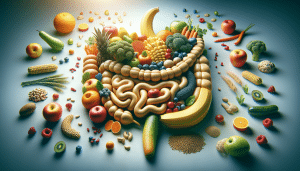
Small daily choices can shift gut health over time. Consuming a variety of whole grains, fruits, vegetables, and fermented foods supports microbial diversity. Yogurt, kimchi, sauerkraut, and kefir are rich in probiotics, helping fortify the gut with friendly bacteria. Incorporating prebiotics—fibers found in onions, garlic, leeks, and bananas—feeds existing beneficial microbes, increasing their abundance and activity (Source: https://www.hsph.harvard.edu/nutritionsource/probiotics-and-prebiotics/).
Hydration and mindful movement also influence gut rhythm. The colon draws on water to keep waste moving, so staying hydrated helps reduce constipation risk. Regular exercise stimulates the muscles of the digestive tract, often leading to less bloating and more predictable digestion. Even stress-relieving practices—like deep breathing or walks—can support the gut by lowering cortisol levels and promoting a balanced microbial environment.
Poor sleep, excessive processed foods, and frequent antibiotic use can disrupt the carefully balanced system in the gut. Some studies caution that ultra-processed foods and artificial sweeteners may shift the microbiome in undesired ways. Building a foundation for gut wellness usually means prioritizing variety, whole foods, and self-care, with gradual improvements noticed in digestion, energy, and even immune defense.
Recognizing Signs of Gut Imbalance
Gut discomfort can be subtle or obvious. Signs often include prolonged bloating, irregular bowel habits, unexplained fatigue, skin changes, or frequent illnesses. Some people notice food sensitivities intensify, while others may encounter difficulty managing stress or mood swings. Paying attention to these clues can be the first step to resetting routines for better gut balance (Source: https://www.mayoclinic.org/diseases-conditions/irritable-bowel-syndrome/symptoms-causes/syc-20360016).
Professionals recommend tracking symptoms and dietary habits to spot patterns or triggers. Sometimes, small adjustments—like adding more fiber, reducing processed sugar, or increasing probiotics—result in noticeable improvements. In persistent or severe cases, consultation with a healthcare provider may be warranted. Diagnostic tools now assess microbial populations, helping tailor interventions for digestive harmony.
Improvement in gut health is rarely instant but often progresses steadily with the right lifestyle shifts. Celebrating small milestones along the way, such as reduced bloating or more energy, can serve as motivation. Gradual, supported change tends to offer the most sustainable path to digestive well-being and an improved overall outlook.
Exploring Cutting-Edge Research on Gut Wellness
The study of the gut microbiome is advancing rapidly, revealing new insights and challenges. Advanced genetic sequencing now allows scientists to pinpoint hundreds of bacterial species in a single sample, linking certain populations to metabolic, immune, or neurological health. Exciting clinical trials are under way exploring targeted gut therapies for diabetes, allergies, and even cognitive decline (Source: https://www.ncbi.nlm.nih.gov/pmc/articles/PMC5641835/).
Personalized nutrition is gaining momentum. Some programs analyze an individual’s gut microbiome and recommend dietary or lifestyle changes based on unique microbial makeup. While such approaches are promising, mainstream experts caution that more independent studies and long-term data are needed before these become standard practice. Keeping informed on reputable research ensures choices are grounded in evidence, not hype.
Gut health’s influence reaches far beyond digestion, touching everything from emotional resilience to chronic disease risk. While many questions remain, one thing is clear: treating the gut as an integrated partner in well-being can unlock new levels of energy, immunity, and life satisfaction.
References
1. National Institutes of Health. (2023). Gut microbiota directs immune system response. Retrieved from https://www.nih.gov/news-events/nih-research-matters/gut-microbiota-directs-immune-system-response
2. National Institute of Mental Health. (2020). Understanding the Gut-Brain Axis. Retrieved from https://www.nimh.nih.gov/news/science-news/2020/understanding-the-gut-brain-axis
3. Harvard T.H. Chan School of Public Health. (2023). Probiotics and prebiotics. Retrieved from https://www.hsph.harvard.edu/nutritionsource/probiotics-and-prebiotics/
4. Mayo Clinic. (2023). Irritable bowel syndrome: Symptoms & causes. Retrieved from https://www.mayoclinic.org/diseases-conditions/irritable-bowel-syndrome/symptoms-causes/syc-20360016
5. National Center for Biotechnology Information. (2017). Microbiome research: Opportunities and challenges. Retrieved from https://www.ncbi.nlm.nih.gov/pmc/articles/PMC5641835/
6. Johns Hopkins Medicine. (2023). Gut health: The key to well-being. Retrieved from https://www.hopkinsmedicine.org/health/wellness-and-prevention/gut-health-the-key-to-wellbeing

 Simple Habits That Support Your Gut Health