Simple Habits That Support Your Gut Health
Evangeline Keaton October 14, 2025
Explore how everyday choices can help boost digestive wellness and nurture your gut microbiome. This in-depth guide covers easy, science-backed habits that contribute to better gut function, aid digestion, and support overall well-being. Learn why gut health is key for more than just comfortable digestion.
Understanding Gut Health and Its Importance
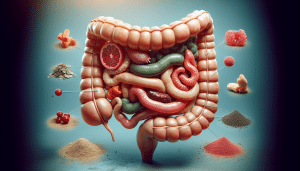
Gut health stretches far beyond just feeling comfortable after a meal. The digestive system is home to trillions of bacteria, fungi, and other microorganisms–collectively known as the gut microbiome. This complex ecosystem helps break down food, supports the absorption of nutrients, and even plays a crucial role in immune system functioning. Research now points to a healthy gut as a key factor in everything from digestion to mental wellness. Maintaining harmony in your gut environment is not just about reducing bloating or discomfort; it’s about supporting a foundation for whole-body health (Source: https://www.nih.gov/news-events/nih-research-matters/linking-gut-microbes-overall-health).
What you eat and how you live have a direct influence on the gut’s internal balance. Foods high in fiber, for example, provide nourishment for beneficial bacteria. On the flip side, diets rich in processed foods, excessive sugar, or frequent use of certain medications can tip the balance toward less helpful bacteria. When the microbiome is disrupted, research has linked it to issues like constipation, diarrhea, and even metabolic changes that may affect energy levels. Building good daily routines is a powerful way to influence your microbial allies.
Scientists also believe the gut communicates constantly with the brain through what’s known as the gut-brain axis. This means your gastrointestinal system could have surprising influences on mood, stress levels, and cognitive function. Enhancing gut health isn’t a single quick fix. Instead, gradual, sustainable changes support this foundational system and may deliver lasting benefits for well-being far beyond the digestive tract. Exploring gut health as a daily priority is an investment in vitality and comfort.
Eating for Your Microbiome
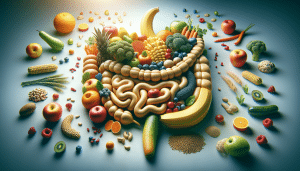
One of the most direct ways to care for your gut is by choosing foods that foster diversity in the microbiome. Dietary fiber, found in whole grains, fruits, vegetables, legumes, and nuts, acts as ‘food’ for helpful gut bacteria. As these fibers are fermented, they produce short-chain fatty acids—molecules linked to reduced inflammation and improved bowel regularity. Scientists recommend aiming for a variety of plant-based foods each week, as different fibers feed different groups of microbes (Source: https://www.hsph.harvard.edu/nutritionsource/food-features/fiber/).
Fermented foods, such as yogurt with live cultures, kefir, kimchi, sauerkraut, and miso, introduce probiotics to the digestive tract. These foods contain strains of beneficial bacteria that may help boost the abundance and diversity of the gut population. Integrating them regularly—while watching for added sugars or sodium—can be a natural way to nurture gut health. It’s also wise to limit highly processed foods, as artificial additives and emulsifiers have been shown to disrupt microbial balance.
Hydration is often overlooked, but it plays a vital role in digestion and supporting the breakdown of fiber. Drinking enough water each day keeps things moving smoothly and helps avoid constipation. On top of water, herbal teas and water-rich fruits or vegetables contribute to moisture intake, supporting optimal gut movement. Together, these dietary basics shape a gut-friendly routine approachable for most lifestyles.
The Role of Stress and Sleep in Digestion
Stress can quietly disrupt gut function and alter microbial populations. The ‘gut-brain axis’ means that when you’re anxious, the body may respond with symptoms like cramps, bloating, or irregularity. Further, chronic stress has been shown to weaken the gut lining, making it easier for unwanted particles to pass into the body—a condition sometimes called ‘leaky gut.’ Mindful stress management, ranging from deep-breathing techniques to yoga or journaling, can help protect digestive function (Source: https://www.apa.org/topics/stress/gut-brain-connection).
Sleep and gut health are also closely linked. Poor sleep quality or insufficient rest can disrupt digestive motility and alter the rhythms of the microbiome, throwing off the natural cycles that help the gut process food overnight. Creating a consistent sleep schedule and practicing sleep hygiene—like limiting screens before bed and setting a cool, dark environment—supports the body’s natural repair and regulation processes, including those in the digestive tract.
Some individuals notice digestive upsets during periods of fatigue or emotional distress, further highlighting the mind-body connection. Finding enjoyable ways to wind down, such as reading, gentle stretching, or restorative practices, helps not only mood but can make digestion feel smoother. By prioritizing both sleep and stress management, you add another layer of support to your daily gut care routine.
Movement and Its Impact on Digestive Wellness
Regular movement is one of the most accessible tools for stimulating healthy digestion. Physical activity encourages intestinal contraction, which helps food and waste move efficiently through the digestive tract. Whether it’s a brisk walk, swimming, or gardening, moderate activity promotes bowel regularity and can reduce symptoms of discomfort or bloating. Movement also helps lower overall stress—a bonus for the gut-brain connection (Source: https://www.cdc.gov/physicalactivity/basics/pa-health/index.htm).
It’s not about intense exercise every day—even gentle stretches or a daily stroll makes a difference. Interestingly, research indicates that exercise may also support a more varied and healthy microbiome, which may translate to improved mood and metabolic health. Those who sit for long periods are encouraged to take short breaks and try simple movements, such as standing up and walking around or light stretching.
Consistency is key. Making activity part of a routine supports not just the digestive system but strengthens nearly every organ in the body. Many find that matching movement with enjoyable activities—such as music, nature, or shared time with others—makes it easier to sustain for the long term. Over time, these small habits contribute visible improvements in digestive ease and comfort.
Smart Habits for Preventing Digestive Upset
Small daily habits can make a surprisingly big difference in digestive comfort. Mindful eating is one practice: slowing down, chewing thoroughly, and paying attention to fullness signals supports easier digestion and increased satisfaction with meals. Eating at regular times also helps regulate appetite and provides structure that the digestive system prefers. These habits encourage the gut’s natural rhythm and reduce the chance of sudden discomfort (Source: https://www.gastro.org/practice-guidance/gi-patient-center/topic/moving-toward-better-digestion).
Monitoring for personal triggers—such as foods that consistently cause discomfort, excess caffeine, or large, late-night meals—can help individuals tailor their approach. Keeping a simple food journal can highlight patterns between meals and symptoms. When new symptoms arise, it’s wise to consult healthcare professionals before making major dietary changes. Personalized support ensures that underlying conditions aren’t overlooked.
Over-the-counter remedies like fiber supplements or certain probiotics can be helpful, but they work best when paired with lifestyle modifications. Reading ingredient labels and watching for hidden sugars or additives in packaged foods helps protect gut health. Combining all these steps, individuals build daily routines that address both the root causes and symptoms of digestive upset, creating a stronger foundation for long-term comfort.
When to Seek Professional Guidance
While most digestive issues can be managed with simple lifestyle changes, there are times when professional support becomes important. Persistent symptoms—such as pain, significant weight changes, blood in stool, or prolonged changes in bowel movements—should prompt a check-in with a healthcare provider. GI specialists use modern tools to diagnose and develop treatment plans tailored to individual needs. Early attention may help spot conditions like irritable bowel syndrome (IBS), food intolerances, or inflammatory bowel diseases (Source: https://www.cdc.gov/ibd/about.htm).
Consulting a registered dietitian or nutritionist can yield customized guidance. These professionals can help with elimination diets, balanced meal planning, or supplement advice. They also ensure that changes support the overall health, not just the digestive tract. This expert advice is especially valuable for managing chronic issues or balancing nutritional needs during major life transitions, such as pregnancy or aging.
Gut health research remains a rapidly growing field. New discoveries continue to shape how professionals approach treatment and prevention. Those with complex symptoms or family histories of digestive diseases may benefit from close partnerships with their care teams. Staying informed and proactive brings peace of mind and ensures that lifestyle habits work alongside the latest in medical understanding.
References
1. National Institutes of Health. (n.d.). Linking gut microbes and overall health. Retrieved from https://www.nih.gov/news-events/nih-research-matters/linking-gut-microbes-overall-health
2. Harvard T.H. Chan School of Public Health. (n.d.). Fiber. Retrieved from https://www.hsph.harvard.edu/nutritionsource/food-features/fiber/
3. American Psychological Association. (n.d.). Stress and the gut-brain connection. Retrieved from https://www.apa.org/topics/stress/gut-brain-connection
4. Centers for Disease Control and Prevention. (n.d.). Benefits of physical activity. Retrieved from https://www.cdc.gov/physicalactivity/basics/pa-health/index.htm
5. American Gastroenterological Association. (n.d.). Moving toward better digestion. Retrieved from https://www.gastro.org/practice-guidance/gi-patient-center/topic/moving-toward-better-digestion
6. Centers for Disease Control and Prevention. (n.d.). What is inflammatory bowel disease (IBD)? Retrieved from https://www.cdc.gov/ibd/about.htm

 Hidden Factors Influencing Home Values You Overlook